
Did you know that classrooms where kindness is a core value can see up to 40 percent fewer incidents of bullying? Acts of genuine care and understanding create an environment where everyone feels safe and valued. For schools, nurturing compassion goes far beyond simple manners. It supports emotional growth, stronger social bonds, and a climate where students thrive both personally and academically.
Table of Contents
- Defining Kindness In The School Environment
- Key Benefits For Students And School Culture
- Effective Programs And Teaching Strategies
- Addressing Challenges And Common Missteps
- Measuring And Sustaining Lasting Kindness
Key Takeaways
| Point | Details |
|---|---|
| Kindness as a Core Value | Integrating kindness into school culture transforms educational environments into supportive spaces that enhance emotional growth and social development. |
| Benefits for Student Well-Being | A kindness-centered approach improves student mental health, social skills, academic motivation, and fosters emotional intelligence. |
| Effective Teaching Strategies | Structured kindness programs, such as peer mentorship and social-emotional learning, promote collaboration and positive interactions among students. |
| Sustaining Kindness | Long-term success relies on measurement and reinforcement of kindness initiatives, alongside continuous training for educators to model and promote these values. |
Defining Kindness in the School Environment
Kindness in schools represents more than just polite behavior – it’s a fundamental approach to creating a supportive and nurturing learning environment. According to research from Charity for Change, kindness is defined as actively bringing happiness to others through helping and genuine concern, encompassing deep emotional intelligence and compassion. 
In practical terms, kindness in schools involves cultivating an atmosphere where students learn to understand, respect, and support one another. This means teaching empathy not just as a concept, but as a lived experience. Students learn to recognize emotions, respond with compassion, and create positive interactions that go beyond surface-level politeness.
Key aspects of kindness in the school environment include:
- Demonstrating genuine care for classmates’ well-being
- Practicing active listening and emotional support
- Resolving conflicts through understanding and respect
- Celebrating individual differences and diverse backgrounds
By integrating kindness as a core educational value, schools can transform from mere academic institutions to environments that nurture emotional growth and social development. Promoting Kindness: Positive Learning Environment provides additional insights into creating such transformative educational spaces.
Key Benefits for Students and School Culture
Practicing kindness in schools delivers profound benefits that extend far beyond simple social interactions. According to research from Glendale School, promoting kindness actively improves academic performance and cultivates positive relationships among students and staff.
The impacts of a kindness-centered approach are multifaceted. Student well-being emerges as a primary beneficiary, with children experiencing enhanced emotional resilience, reduced stress, and increased empathy. When students feel genuinely supported, they become more engaged learners, more collaborative teammates, and more confident individuals.
Key benefits of promoting kindness include:
- Improved mental health and emotional regulation
- Enhanced peer relationships and social skills
- Increased academic motivation and performance
- Development of long-term social and emotional intelligence
By intentionally embedding kindness into school culture, educational institutions create transformative environments that nurture not just intellectual growth, but comprehensive human development. Understanding Why Elementary Assemblies Matter provides additional insights into creating holistic learning experiences that support these crucial developmental goals.
Effective Programs and Teaching Strategies
Teaching kindness requires intentional, structured approaches that go beyond traditional academic instruction. According to research from Arkansas State University, positive psychology in the classroom plays a crucial role in fostering compassion, respect, and empathy, while simultaneously preventing bullying behaviors.
Classroom design and environmental cues are powerful tools in promoting kindness. As research from Berkeley’s Greater Good in Education suggests, subtle modifications to the learning environment can significantly influence student interactions. This means creating spaces that naturally encourage collaboration, mutual respect, and supportive communication.
Effective strategies for promoting kindness include:
Here’s a summary comparing key strategies for promoting kindness in schools:
| Strategy | Focus Area | Impact on Students |
|---|---|---|
| Peer Mentorship Programs | Collaboration Support | Peer bonds Empathy |
| Classroom Agreements | Communication Respect | Conflict resolution Inclusion |
| Collaborative Problem-Solving | Teamwork Critical thinking | Social skills Creativity |
| Social-Emotional Learning | Emotional intelligence | Self-awareness Resilience |
| Recognition of Kindness | Positive reinforcement | Motivation Confidence |
- Implementing peer mentorship programs
- Developing classroom agreements about respectful communication
- Creating opportunities for collaborative problem-solving
- Integrating social-emotional learning into daily curriculum
- Recognizing and celebrating acts of kindness
Schools looking to transform their approach can benefit from comprehensive programs that integrate kindness across multiple dimensions. Understanding the Importance of Fun in Learning offers additional insights into creating engaging, positive educational experiences that naturally cultivate compassionate student interactions.
Addressing Challenges and Common Missteps
Promoting kindness in schools is not without its complexities. According to research from Charity for Change, schools frequently struggle with consistent implementation of kindness programs across different academic levels and integrating these initiatives effectively into existing curricula.
One significant challenge is recognizing that students naturally express kindness differently. What feels like a genuine act of compassion for one student might not resonate the same way with another. This variability requires educators to develop nuanced, flexible approaches that acknowledge individual differences while maintaining core principles of empathy and respect.
Common missteps in kindness education include:
- Treating kindness as an optional add-on rather than a core value
- Implementing one-size-fits-all approaches
- Failing to model kind behavior at the administrative and teacher levels
- Neglecting to create systematic accountability for kind interactions
- Overlooking the importance of continuous training and reinforcement
8 Creative Middle School Assembly Ideas can help educators discover innovative ways to embed kindness education throughout the school experience, transforming potential challenges into opportunities for meaningful personal and collective growth.
Measuring and Sustaining Lasting Kindness
Sustaining kindness in schools requires more than good intentions – it demands systematic measurement and intentional reinforcement. According to research from the Greater Good in Education, prosocial actions can significantly increase students’ empathy and develop a lasting prosocial identity that extends beyond classroom walls.
Measuring kindness involves both quantitative and qualitative approaches. This means tracking observable behaviors, documenting student interactions, and creating feedback mechanisms that allow students to reflect on their social-emotional growth. Surveys, peer nominations, and self-assessment tools can provide valuable insights into the depth and authenticity of kindness initiatives.
Key strategies for measuring and sustaining kindness include:
- Developing consistent observation protocols
- Creating student-led kindness tracking systems
- Implementing regular reflection and goal-setting activities
- Recognizing and celebrating prosocial behaviors
- Establishing long-term mentorship and accountability programs
Ways to Boost Student Engagement offers additional perspectives on creating sustainable, meaningful educational experiences that naturally cultivate compassion and mutual respect throughout the school community.
Bring Kindness to Life with Interactive School Assemblies
Building a school culture rooted in kindness is an ongoing challenge. As you strive to nurture empathy, emotional intelligence, and a positive learning environment, you may face obstacles like inconsistent implementation, lack of student engagement, or difficulty finding practical strategies that stick. Real change happens when kindness becomes an experience rather than just a lesson. That is where high-energy, interactive assemblies become powerful tools. For inspiration on the kinds of dynamic performers who make a lasting impact, explore our School Assembly Performers page.
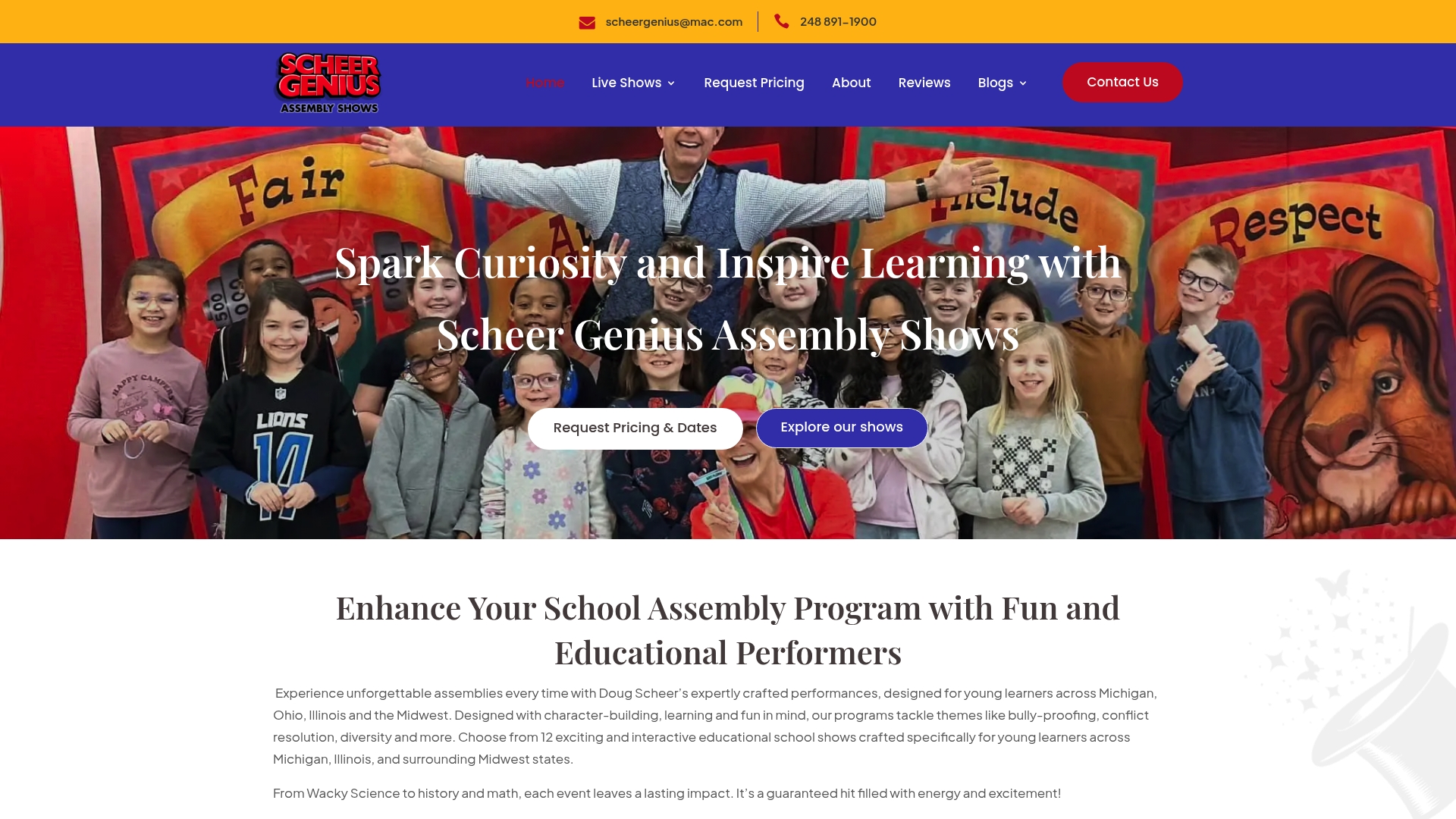
Why wait to transform your culture? With AssemblyShows.com, you can invite one of the nation’s leading educational entertainers, Doug Scheer, to your school. Our programs blend curriculum-aligned kindness lessons with laughter and hands-on participation. Bring your school community together with a memorable assembly experience that sparks true compassion and connection. Now is the time to take the next step—contact us to choose the right assembly for your students and start building a more caring school environment today.
Frequently Asked Questions
What are the key benefits of promoting kindness in schools?
Promoting kindness in schools enhances mental health, improves peer relationships, boosts academic performance, and fosters long-term social and emotional intelligence.
How can kindness be effectively taught in school environments?
Kindness can be taught through structured programs, peer mentorship, social-emotional learning, and classroom agreements that encourage collaboration and respect.
What challenges might schools face when implementing kindness programs?
Common challenges include inconsistent implementation across grades, varying student expressions of kindness, and the tendency to treat kindness as an optional add-on rather than a core value.
How can schools measure the impact of kindness initiatives?
Schools can measure kindness through observation protocols, student-led tracking systems, feedback mechanisms, and regular reflection activities to assess social-emotional growth.