
Over 90 percent of American schools rely on assemblies to bring entire student communities together for shared learning. These gatherings play a vital role in shaping how students connect, engage, and learn beyond the classroom. Whether addressing curriculum topics or building school spirit, assemblies help transform ordinary days into powerful educational experiences that foster both academic growth and a strong sense of collective identity.
Key Takeaways
| Point | Details |
|---|---|
| Community Building | School assemblies foster a sense of community and collective identity among students, enhancing social cohesion. |
| Interactive Learning | By transforming traditional curriculum topics into engaging presentations, assemblies stimulate active participation and curiosity. |
| Professional Development for Educators | Assemblies provide educators with opportunities to enhance their teaching practices and build stronger connections with students. |
| Holistic Student Development | Through shared experiences and diverse programming, assemblies support the emotional and social growth of students, preparing them for future success. |
Defining School Assemblies in Education
School assemblies represent powerful educational gatherings that bring students together for shared learning experiences. Understanding the fundamental purpose of school assemblies reveals their critical role in creating collective educational moments beyond traditional classroom instruction. These events typically gather all or part of a school community to engage in meaningful programs, communication, and interactive learning opportunities.
A school assembly is strategically designed as a focused 45-50 minute program aimed at educating, entertaining, and deeply engaging students on specific curriculum-related topics. Whether exploring STEM concepts, discussing character development, or presenting interactive historical narratives, assemblies transform learning from passive absorption to dynamic participation. Schools typically host these events in multipurpose spaces like gymnasiums, creating environments where entire grade levels or entire school populations can simultaneously experience transformative educational content.
The core functions of school assemblies extend far beyond simple information transmission. These gatherings serve multiple critical educational objectives:
- Fostering community spirit and collective identity
- Providing platform for school-wide announcements
- Recognizing student achievements and contributions
- Delivering curriculum-aligned educational programs
- Creating shared learning experiences that transcend individual classroom boundaries
By integrating entertainment with substantive educational content, school assemblies offer unique opportunities for holistic student engagement. They represent dynamic educational tools that complement traditional teaching methods, offering immersive, interactive learning experiences that capture students’ imagination and intellectual curiosity.
Types of Assemblies and Varied Formats
School assemblies represent a dynamic spectrum of educational experiences, each designed to engage students through unique presentation styles and content approaches. Curriculum-based assembly formats offer educators powerful tools to transform traditional learning into interactive, memorable experiences that extend beyond classroom boundaries.
The landscape of school assemblies encompasses an incredibly diverse range of topics and presentation styles. Schools can strategically leverage assemblies covering subjects from science and history to character development and cultural awareness. Subject-focused assemblies transform curriculum topics into engaging school-wide experiences, helping students connect classroom learning to real-world contexts. Science assemblies, for instance, might feature hands-on demonstrations about volcanoes, interactive experiments exploring space exploration, or wildlife presentations showcasing animal adaptations.
Typical assembly formats include:
- Performance-Based Assemblies
- Musical presentations
- Theater and drama performances
- Dance and cultural showcases
- Educational Demonstration Assemblies
- Scientific experiments
- Historical reenactments
- Interactive technology demonstrations
- Motivational and Character Development Assemblies
- Anti-bullying presentations
- Leadership and personal growth workshops
- Career exploration sessions
- Cultural and Diversity Awareness Assemblies
- Multicultural heritage celebrations
- Disability awareness programs
- Global understanding initiatives
The breadth of assembly topics is remarkably expansive, ranging from animals and arts to safety, science, and social skills. By strategically selecting assembly formats that align with educational objectives, schools can create powerful, engaging learning experiences that inspire, educate, and transform student perspectives.
How Assemblies Enhance Curriculum Learning
School assemblies serve as powerful educational tools that dramatically extend traditional classroom learning through immersive, engaging experiences. Understanding why schools host educational assemblies reveals their transformative potential in reinforcing academic concepts and sparking student curiosity across multiple subject areas.
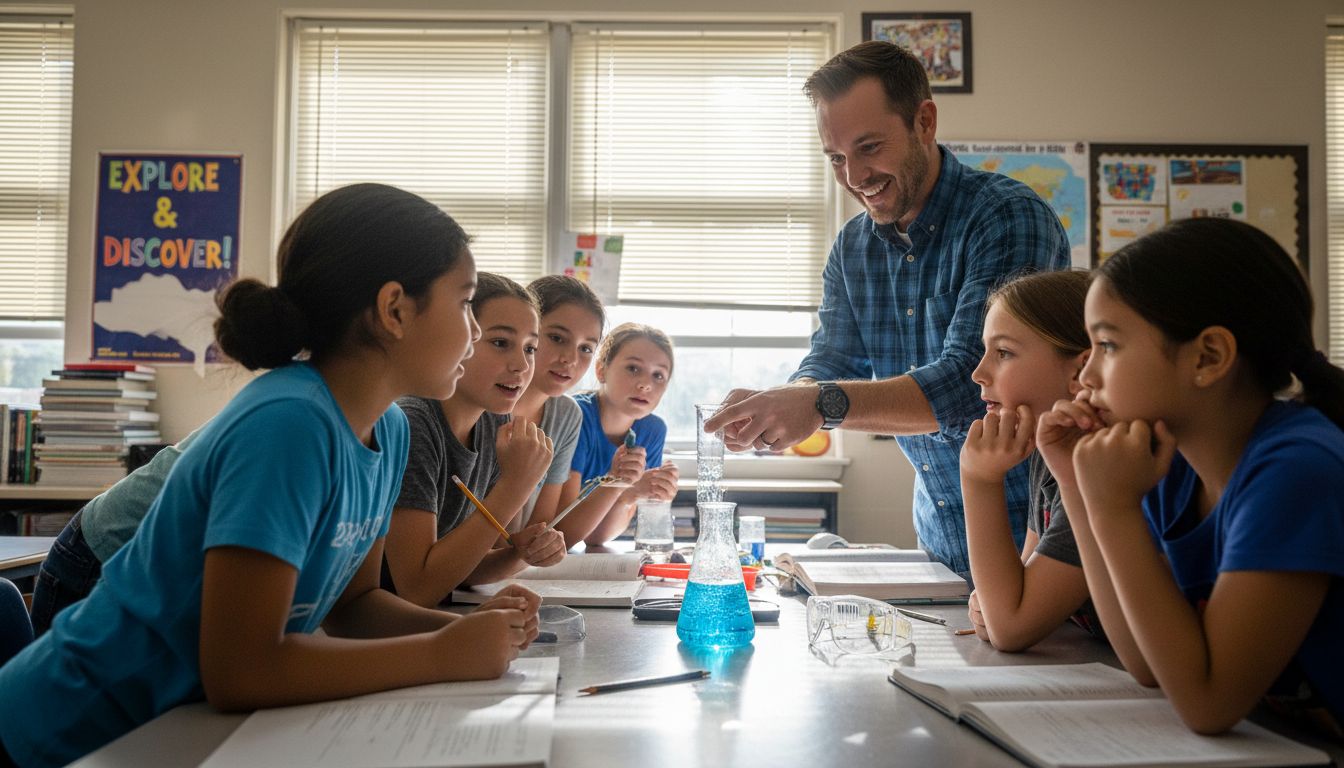
Curriculum enhancement happens through strategic assembly design that bridges classroom instruction with dynamic, interactive presentations. Subject-focused assemblies turn curriculum topics into engaging school-wide experiences, helping students connect theoretical knowledge to real-world applications. Science assemblies, for example, can transform abstract concepts into tangible learning through hands-on demonstrations about volcanoes, interactive space exploration experiments, or wildlife presentations showcasing complex biological adaptations.
Key ways assemblies enhance curriculum learning include:
- Experiential Learning
- Provide immersive, multisensory educational experiences
- Demonstrate complex concepts through interactive demonstrations
- Offer alternative learning pathways beyond textbook instruction
- Motivation and Engagement
- Spark curiosity about academic subjects
- Break traditional learning monotony
- Create memorable educational moments
- Interdisciplinary Connections
- Link multiple academic disciplines
- Demonstrate practical applications of classroom learning
- Expose students to broader conceptual relationships
- Supplemental Knowledge Expansion
- Introduce topics not typically covered in standard curricula
- Provide expert insights from external educators
- Offer deeper exploration of specialized subjects
Elementary schools strategically use assemblies to reinforce curriculum, promote positive behavior, and expose students to innovative educational experiences that traditional classroom settings cannot easily replicate. By transforming learning from passive absorption to active participation, assemblies become crucial instruments in modern educational strategies, helping educators create dynamic, engaging, and memorable learning environments.
Boosting Student Engagement and Social Growth
School assemblies represent powerful platforms for nurturing student engagement and fostering meaningful social connections beyond traditional classroom interactions. Strategies to boost student engagement reveal how these collective experiences can transform educational environments into dynamic, interactive spaces of learning and personal growth.
Social development emerges as a critical outcome of well-designed school assemblies. School assemblies serve as a vital platform for fostering community spirit and delivering important messages, creating opportunities for students to interact, learn, and grow together. Urban educational models demonstrate the profound impact of these gatherings, with some schools implementing daily community assemblies that ground students and strengthen interpersonal relationships.
Key dimensions of student engagement through assemblies include:
- Interpersonal Connection
- Create shared experiences
- Develop peer-to-peer relationships
- Encourage collaborative learning
- Emotional Intelligence
- Practice active listening
- Develop empathy
- Understand diverse perspectives
- Communication Skills
- Learn public speaking techniques
- Practice respectful dialogue
- Build confidence in group settings
- Cultural Awareness
- Explore diverse cultural expressions
- Celebrate community diversity
- Promote mutual understanding
By transforming passive observation into active participation, school assemblies become transformative experiences that support holistic student development. These gatherings go beyond simple information sharing, creating environments where students can connect, learn, and grow collectively while developing critical social and emotional skills essential for future success.
Supporting Educators’ Roles and Wellbeing
School assemblies offer transformative opportunities for educators to enhance their professional practice and cultivate meaningful connections with students. Role of assemblies for teachers demonstrates how these collective experiences can significantly reduce instructional burden while creating powerful learning environments.
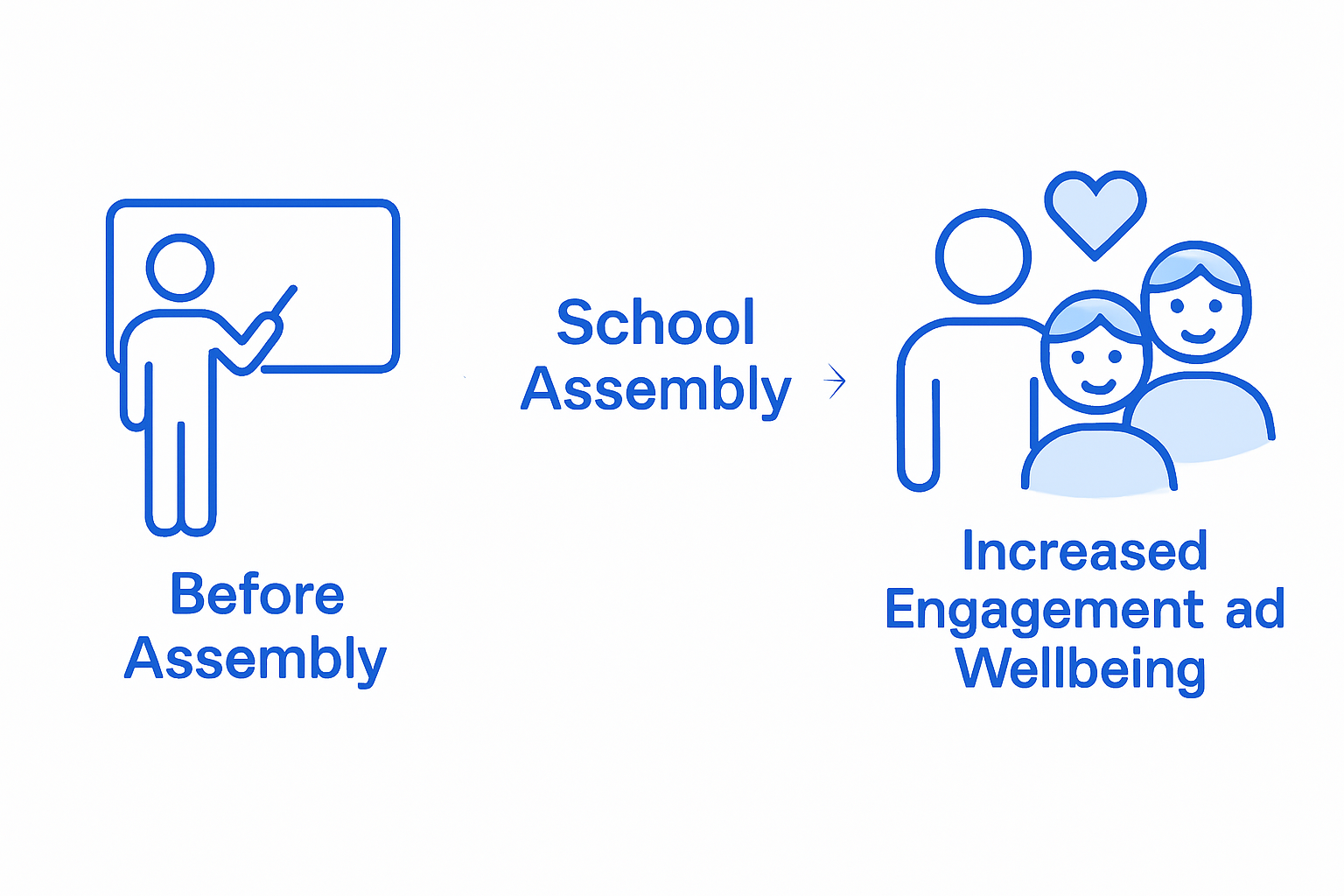
Professional support emerges as a critical benefit for educators through strategic assembly implementation. Teachers use assemblies to impart valuable life lessons, promote school values, and reinforce educational content, providing them with innovative platforms beyond traditional classroom instruction. Daily assemblies enable educators to transition students into productive learning mindsets, deepening interpersonal connections and creating supportive educational ecosystems.
Key ways assemblies support educators include:
- Instructional Efficiency
- Supplement classroom learning
- Introduce complex topics dynamically
- Provide alternative teaching methods
- Professional Development
- Observe interactive learning strategies
- Learn student engagement techniques
- Collaborate with external presenters
- Classroom Management
- Reset student energy levels
- Create shared behavioral expectations
- Build positive school culture
- Emotional Resilience
- Reduce daily instructional stress
- Create collective learning experiences
- Promote collaborative problem solving
By integrating assemblies into educational strategies, schools can create supportive environments that not only enhance student learning but also provide meaningful professional growth opportunities for educators. These gatherings represent more than simple events they are transformative experiences that reinvigorate teaching practices and strengthen school community connections.
Empower Educators with Dynamic School Assemblies Today
Educators face daily challenges in capturing student attention while delivering curriculum content effectively. This article highlights how assemblies can reduce instructional burden and promote a positive school culture, offering professional support, classroom management benefits, and opportunities for emotional resilience. If your goal is to transform learning into interactive and memorable experiences that empower both students and teachers, assembly programs are the solution.
Discover a variety of engaging and curriculum-aligned options in our Assemblies Archives – Scheer Genius Assembly Shows designed specifically for elementary and middle schools. Whether you prefer live or virtual formats, our shows led by veteran performer Doug Scheer bring energy, fun, and educational value that complement your teaching goals.
Experience firsthand how strategically designed assemblies can support educators’ daily success and enhance student engagement. Visit AssemblyShows.com now to explore our lineup and book a dynamic assembly that will revitalize your school community. For virtual options, check out our Virtual Shows Archives – Scheer Genius Assembly Shows and bring professional-quality educational entertainment directly to your classroom.
Frequently Asked Questions
How can school assemblies support educators’ teaching methods?
School assemblies provide alternative teaching methods that enhance classroom learning, allowing educators to introduce complex topics dynamically and engage students in a more interactive way.
What role do assemblies play in reducing instructional stress for teachers?
Assemblies create collective learning experiences that can reset student energy levels, helping to promote a positive school culture and make classroom management easier for teachers.
In what ways can assemblies facilitate professional development for educators?
Assemblies offer opportunities for teachers to observe interactive learning strategies, learn new student engagement techniques, and collaborate with external presenters, thus enriching their professional practice.
How do school assemblies enhance student-teacher relationships?
School assemblies create shared experiences that deepen interpersonal connections between students and teachers, fostering a supportive educational ecosystem that enhances learning outcomes.
Recommended
- Role of Assemblies for Teachers: Complete Guide – Scheer Genius Assembly Shows
- Understanding Why Host Educational Assemblies in Schools – Scheer Genius Assembly Shows
- Understanding Why Elementary Assemblies Matter for Schools – Scheer Genius Assembly Shows
- What is an Elementary School Assembly? Understanding Its Importance – Scheer Genius Assembly Shows