
Virtual learning assemblies are changing how schools connect students to lessons and experiences, no matter where they live. Think traditional assemblies packed with hundreds of kids in a gym, but now each student is just a click away from an interactive event. The real shock is that digital learning platforms have been shown to significantly improve student participation and retention of educational content according to the National Education Association. This is not just about watching an online show. It is about unlocking doors to experts, performers, and programs that most schools could never host before.
Table of Contents
- Defining Virtual Learning Assembly: Key Concepts and Terms
- The Importance of Virtual Learning Assembly in Education
- How Virtual Learning Assembly Enhances Student Engagement
- Real-World Applications of Virtual Learning Assembly in Schools
- Challenges and Opportunities in Implementing Virtual Learning Assembly
Quick Summary
| Takeaway | Explanation |
|---|---|
| Virtual assemblies enhance engagement | By integrating interactive technologies, these assemblies increase student participation and motivation in learning. |
| Accessible learning benefits all students | Virtual platforms break down geographical and physical barriers, ensuring equitable educational experiences for diverse learners. |
| Multimedia resources enrich education | Utilizing multimedia in presentations caters to various learning styles and keeps students engaged through dynamic content. |
| Recording and replay options improve retention | Students can revisit content at their own pace, enhancing understanding and reinforcement of educational material. |
| Strategic implementation is crucial for success | Thoughtful planning of technology use and teacher training is essential to maximize the benefits of virtual learning assemblies. |
Defining Virtual Learning Assembly: Key Concepts and Terms
Virtual learning assembly represents an innovative educational approach that transforms traditional school gathering experiences by leveraging digital platforms and interactive technologies. Unlike conventional in-person assemblies, virtual learning assemblies create immersive digital environments where students can engage with educational content, performers, and learning experiences without physical limitations.
The Digital Evolution of School Assemblies
A virtual learning assembly transcends traditional presentation methods by integrating multimedia elements, interactive features, and curriculum-aligned content delivered through online platforms. These digital experiences allow schools to bring engaging educational programs directly into classrooms, regardless of geographic constraints. Our comprehensive guide to virtual school programs provides deeper insights into how these innovative platforms work.
Key characteristics of virtual learning assemblies include:
- Seamless digital content delivery
- Interactive multimedia presentations
- Real-time engagement capabilities
- Curriculum-aligned educational experiences
- Accessibility across multiple digital devices
Technological Components and Interaction Mechanisms
Virtual learning assemblies typically utilize advanced streaming technologies, video conferencing tools, and interactive software to create dynamic educational experiences. According to EdTech Magazine, these platforms enable educators to host comprehensive programs that combine entertainment, education, and student participation.
The core technological infrastructure supporting virtual learning assemblies includes web-based streaming platforms, interactive presentation software, and engagement tracking tools. These technologies work together to create immersive experiences that capture students’ attention and facilitate meaningful learning opportunities, bridging the gap between traditional educational presentations and modern digital learning environments.
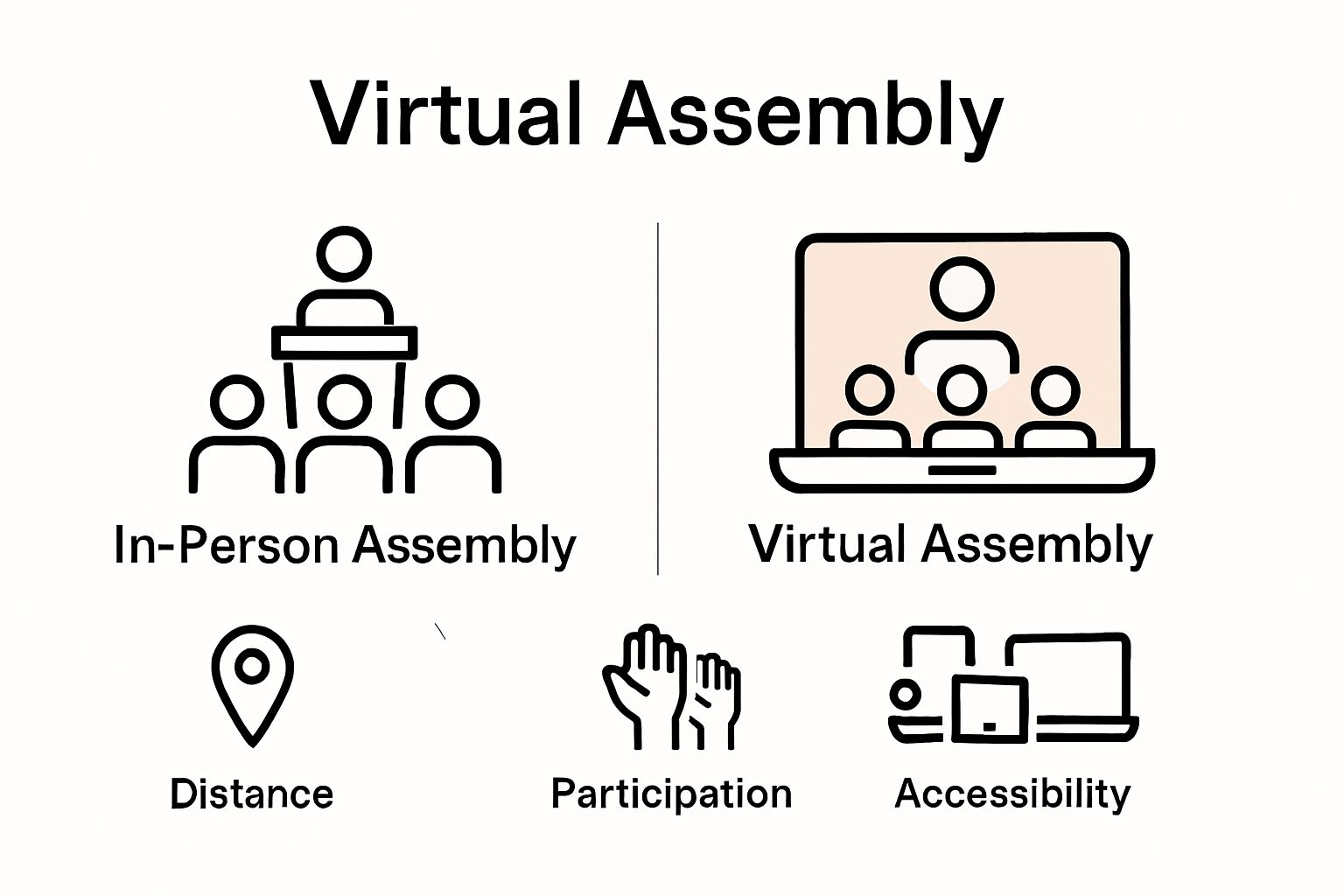
To clarify how virtual learning assemblies differ from traditional assemblies, the table below compares their core features and delivery methods.
| Feature | Traditional Assemblies | Virtual Learning Assemblies |
|---|---|---|
| Location | In-person, physical gathering | Online, accessible from any location |
| Accessibility | Limited by space and geography | Accessible to all students, regardless of location |
| Interactivity | Often one-way, limited participation | Highly interactive, real-time engagement |
| Multimedia Integration | Minimal, typically live performance | Extensive use of multimedia and digital tools |
| Content Replay | Not available, single live event | Recording and replay options available |
| Expert Access | Limited to local presenters | Connects with diverse experts worldwide |
| Adaptability for Learning Needs | Challenging for diverse learning needs | Adaptive, supports various learning styles |
The Importance of Virtual Learning Assembly in Education
Virtual learning assemblies have emerged as a critical educational tool that addresses contemporary challenges in student engagement, accessibility, and curriculum delivery. By transforming traditional educational experiences, these digital platforms offer unprecedented opportunities for schools to provide enriching, interactive learning experiences.
Expanding Educational Access and Engagement
The significance of virtual learning assemblies extends far beyond mere technological novelty. Explore our collection of virtual assembly shows to understand the diverse ways these digital platforms can revolutionize educational experiences. Research from the National Education Association highlights that digital learning platforms can significantly enhance student participation and retention of educational content.
Key benefits of virtual learning assemblies include:
- Breaking geographical barriers to quality educational content
- Providing consistent learning experiences across different school environments
- Enabling personalized and adaptive learning approaches
- Supporting students with diverse learning needs
- Reducing logistical constraints associated with traditional assemblies
Pedagogical and Technological Transformation
Virtual learning assemblies represent more than a technological upgrade they signify a fundamental shift in educational delivery. By integrating multimedia resources, interactive technologies, and curriculum-aligned content, these digital platforms create immersive learning environments that cater to the evolving needs of modern students.
These digital experiences allow educators to transcend traditional classroom limitations, offering students exposure to expert presenters, specialized content, and engaging multimedia presentations that might otherwise be inaccessible. The ability to record, replay, and revisit educational content further enhances the learning potential, making education more flexible and student-centered.
How Virtual Learning Assembly Enhances Student Engagement
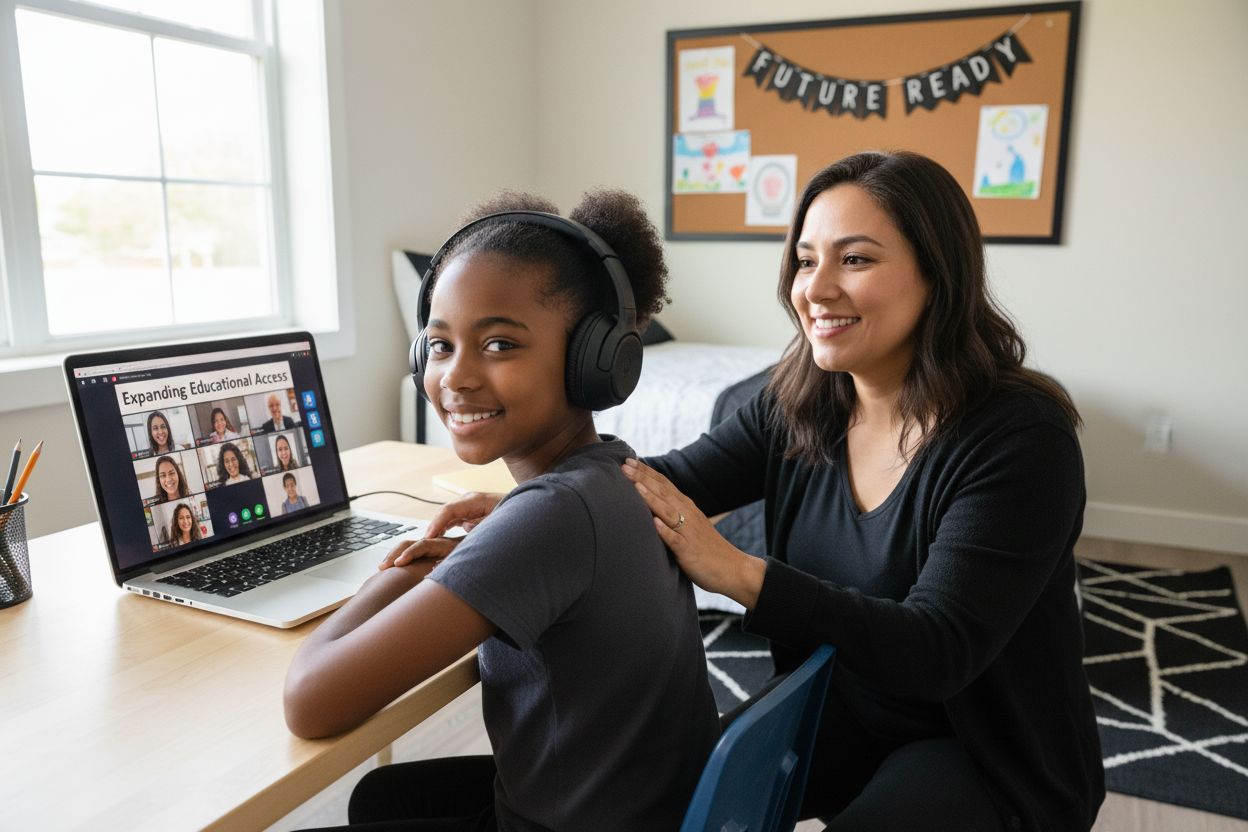
Virtual learning assemblies represent a transformative approach to student engagement, leveraging digital technologies to create immersive, interactive educational experiences that capture students’ attention and motivation. By reimagining traditional learning formats, these digital platforms offer dynamic ways to connect, inspire, and educate students across diverse learning environments.
Interactive Learning Dynamics
Engagement in virtual learning assemblies goes beyond passive content consumption. Discover tips for teachers to engage virtual learners and understand the nuanced strategies for creating compelling digital educational experiences. According to Stanford University’s research, virtual platforms provide students unique opportunities to showcase their work, participate in performances, and engage in school-wide celebrations, which significantly reinforces their sense of belonging and academic motivation.
Key mechanisms of student engagement in virtual learning assemblies include:
- Real-time interactive polling and Q&A sessions
- Multimedia content that appeals to different learning styles
- Gamification of educational content
- Personalized learning pathways
- Immediate feedback and recognition systems
Psychological and Social Engagement Factors
Virtual learning assemblies address critical psychological needs by creating inclusive, accessible learning environments. These digital platforms reduce traditional barriers such as physical mobility limitations, geographic constraints, and social anxieties that might inhibit student participation in conventional school gatherings.
By offering flexible, adaptive learning experiences, virtual assemblies empower students to engage with educational content at their own pace and comfort level. The ability to replay, pause, and revisit content ensures that students with different learning speeds and preferences can fully comprehend and appreciate the educational material presented.
Real-World Applications of Virtual Learning Assembly in Schools
Virtual learning assemblies have evolved from experimental technologies to practical, essential educational tools that address diverse learning needs across different school environments. By integrating digital platforms with curriculum objectives, schools can create transformative educational experiences that extend far beyond traditional classroom boundaries.
Curriculum Enhancement and Specialized Learning
Schools are increasingly adopting virtual learning assemblies to provide specialized educational content that might be challenging to deliver through conventional methods. Explore 30+ innovative ways schools can utilize virtual assemblies to understand the breadth of potential applications. According to EdSurge, these digital platforms enable schools to bring expert presenters, interactive workshops, and unique learning experiences directly into classrooms.
Typical real-world applications of virtual learning assemblies include:
- Science and STEM demonstration programs
- Cultural awareness and diversity workshops
- Historical reenactments and interactive historical presentations
- Career exploration and professional development sessions
- Mental health and social-emotional learning programs
Accessibility and Inclusive Educational Experiences
Virtual learning assemblies break down traditional barriers to educational access by providing flexible, adaptable learning experiences. These digital platforms allow schools to accommodate students with different learning abilities, geographic locations, and personal circumstances. Students who might struggle with in-person events can now participate fully, ensuring that educational opportunities are more equitable and inclusive.
By leveraging technology, schools can create scalable, repeatable educational experiences that maintain high-quality content delivery while reducing logistical complexities and associated costs. Virtual learning assemblies represent a forward-thinking approach to education that prioritizes student engagement, accessibility, and personalized learning pathways.
Challenges and Opportunities in Implementing Virtual Learning Assembly
Implementing virtual learning assemblies requires a nuanced understanding of technological, pedagogical, and institutional considerations. While these digital platforms offer transformative educational experiences, schools must navigate complex implementation strategies to maximize their potential and minimize potential drawbacks.
Technological Infrastructure and Resource Allocation
Explore our essential interactive assembly tips for schools to understand the strategic approaches for successful digital implementation. According to RAND Corporation research, successful virtual learning assembly programs require thoughtful planning regarding digital engagement and comprehensive support for educators.
Key technological challenges and considerations include:
- Consistent and reliable internet connectivity
- Appropriate digital devices for students and teachers
- Cybersecurity and data privacy protections
- Technical support and rapid troubleshooting mechanisms
- Compatibility with existing school technology infrastructure
Pedagogical and Institutional Adaptation
Virtual learning assemblies demand significant shifts in traditional educational paradigms. Schools must develop new skill sets, modify existing curriculum frameworks, and create flexible learning environments that can seamlessly integrate digital experiences. This transformation involves comprehensive professional development for educators, reimagining assessment methodologies, and cultivating a culture of technological adaptability.
Successful implementation requires a holistic approach that balances technological innovation with pedagogical excellence. By recognizing both the challenges and opportunities, schools can create dynamic, engaging virtual learning experiences that prepare students for an increasingly digital educational landscape.
Below is a summary of key implementation challenges and corresponding opportunities related to virtual learning assemblies, helping schools to anticipate and address important factors for successful adoption.
| Challenge | Opportunity |
|---|---|
| Reliable internet and device access | Enables participation from any location |
| Need for teacher training | Professional development in digital skills |
| Ensuring data privacy and cybersecurity | Builds trust and safety in virtual environments |
| Adapting curriculum for digital formats | Flexibility to update and personalize content |
| Managing technical troubleshooting | Develops school-wide technical support capacity |
| Aligning with school culture and policies | Cultivates a technologically adaptive school community |
Supercharge Your School’s Engagement with Virtual Learning Assemblies
Are your students missing out on interactive learning because of physical barriers or outdated presentation methods? The article highlighted real concerns like student disengagement, the struggle for accessible educational experiences, and the limits of traditional assemblies. Now you can address these challenges head-on with curriculum-aligned, high-energy programs that merge interactive technology with proven educational strategies. Find the perfect solution by exploring our Virtual Shows, which are designed to bring immersive content directly to your classrooms and keep every student connected, motivated, and excited to learn.
Experience how AssemblyShows.com can transform your next school event with our unforgettable virtual assemblies led by Doug Scheer, one of the nation’s top educational performers. Ready to break through the barriers of traditional learning? Visit our Virtual Shows and let us help you reimagine what school assemblies can achieve. Don’t wait to boost student engagement—change your approach today and see the difference!
Frequently Asked Questions
What is a virtual learning assembly?
A virtual learning assembly is an innovative educational approach that utilizes digital platforms and interactive technologies to create engaging, immersive learning experiences, replacing traditional in-person school gatherings.
How do virtual learning assemblies enhance student engagement?
Virtual learning assemblies leverage interactive multimedia presentations, real-time polling, and gamification, creating dynamic environments that capture students’ attention and encourage participation.
What are the technological components of virtual learning assemblies?
Key technological components include web-based streaming platforms, video conferencing tools, interactive presentation software, and engagement tracking tools that work together to facilitate engaging educational experiences.
What are some benefits of using virtual learning assemblies in schools?
Benefits include expanded access to quality educational content, consistent learning experiences across different environments, personalized learning approaches, and support for diverse learning needs, ultimately enhancing educational opportunities for all students.