
Elementary school assemblies might sound like simple gatherings where kids take a break from class, but the reality runs much deeper. Some schools report that these events impact as many as 100 percent of their student body in a single morning. Most would assume assemblies are just a fun diversion, yet these meetings turn into some of the most powerful moments for building real community and sparking curiosity beyond the textbook.
Table of Contents
- Defining An Elementary School Assembly
- The Purpose And Importance Of Assemblies
- Key Components Of A Successful Assembly
- How Assemblies Foster School Community
- Real-World Examples And Best Practices
Quick Summary
| Takeaway | Explanation |
|---|---|
| Assemblies enhance collective learning experiences. | They create opportunities for students to learn together, gaining insights beyond the regular curriculum. |
| Assemblies foster community and belonging. | They bring students together, highlighting shared values and promoting positive interactions across grade levels. |
| Engaging presentations are crucial for impact. | Successful assemblies require age-appropriate content and dynamic delivery to maintain student interest and enhance learning. |
| Diverse assembly types offer varied learning opportunities. | Types range from academic recognition to cultural explorations, catering to different aspects of student development. |
| Careful planning is essential for success. | Effective assemblies need strategic design, including logistics and presentation styles, to ensure maximum engagement and educational benefits. |
Defining an Elementary School Assembly
An elementary school assembly represents a collective gathering of students, typically within a school’s auditorium or multipurpose space, designed to provide educational, informative, or inspirational experiences outside standard classroom instruction. According to federal education definitions, these gatherings occur within a nonprofit institutional day school that provides elementary education.
Purpose and Characteristics
Elementary school assemblies serve multiple critical functions in the educational ecosystem. These structured events are strategically planned to:
- Enhance collective learning experiences
- Build school community and shared cultural understanding
- Provide opportunities for large group engagement
- Introduce students to diverse topics beyond standard curriculum
Typically, assemblies range from 30 to 60 minutes and involve entire grade levels or the entire school population. They might feature guest speakers, educational performances, student presentations, or special demonstration programs that complement academic learning.
Types of School Assemblies
School assemblies are not monolithic but represent diverse educational approaches.
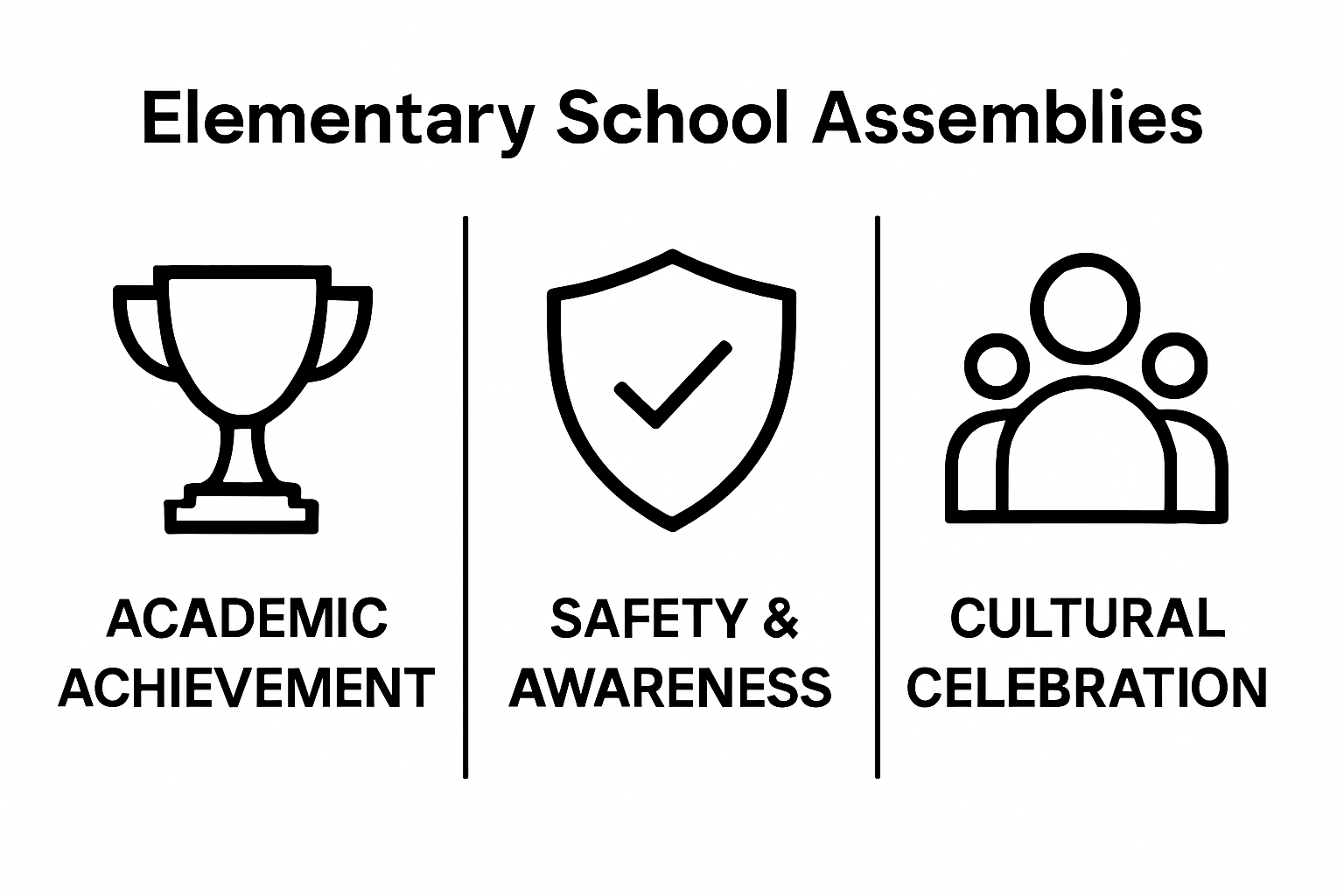 Common varieties include:
- Academic Achievement Assemblies: Recognizing student accomplishments
- Safety and Awareness Assemblies: Teaching critical life skills
- Cultural Celebration Assemblies: Exploring diversity and inclusivity
- Performance and Entertainment Assemblies: Providing engaging educational experiences
For more details about engaging elementary assembly experiences, schools often seek interactive and curriculum-aligned programs that make learning dynamic and memorable. The goal remains consistent: creating meaningful, collective educational moments that transcend traditional classroom boundaries.
Below is a table comparing the main types of elementary school assemblies, summarizing their key focus and examples as mentioned in the article.
| Assembly Type | Main Focus | Example Activities or Features |
|---|---|---|
| Academic Achievement Assemblies | Recognizing student accomplishments | Award ceremonies, honor roll announcements |
| Safety and Awareness Assemblies | Teaching critical life skills | Fire safety presentations, anti-bullying talks |
| Cultural Celebration Assemblies | Exploring diversity and inclusivity | International days, cultural performance shows |
| Performance and Entertainment Assemblies | Providing engaging educational experiences | Science shows, musical performances |
The Purpose and Importance of Assemblies
Elementary school assemblies are far more than simple interruptions to classroom learning. They represent strategic educational opportunities that play a crucial role in students’ holistic development. According to the National Center on Safe Supportive Learning Environments, these experiences serve as foundational moments that significantly impact students’ future educational and life outcomes.
Educational and Social Development
Assemblies provide unique platforms for learning that extend beyond traditional classroom environments. They offer students opportunities to:
- Develop listening and social interaction skills
- Experience collective learning experiences
- Understand complex topics through engaging presentations
- Build school community and shared understanding
These gatherings are not merely passive events but active learning environments where students engage with information through interactive and immersive experiences. By breaking standard classroom routines, assemblies create memorable educational moments that can spark curiosity and deeper understanding.
Psychological and Developmental Benefits
Beyond academic learning, school assemblies contribute significantly to students’ psychological and social development. They help children develop critical interpersonal skills, learn about diversity and inclusion, and experience collective emotional experiences.
For insights into creating meaningful educational assembly experiences, schools recognize the importance of designing programs that are not just informative but transformative. The goal is to create environments where learning feels exciting, accessible, and connected to broader life experiences.
By integrating educational content with engaging presentation styles, assemblies transform traditional learning paradigms. They demonstrate that education can be dynamic, interactive, and profoundly impactful beyond textbook and classroom constraints.
Key Components of a Successful Assembly
Creating a successful elementary school assembly requires careful planning, strategic design, and an understanding of students’ developmental needs. According to the National Center on Safe Supportive Learning Environments, developmentally appropriate practices are crucial in ensuring that assemblies effectively support student learning and engagement.
Content and Presentation Design
The foundation of an impactful assembly lies in its content and presentation approach. Successful assemblies must incorporate:
- Age appropriate and curriculum aligned material
- Interactive and engaging presentation styles
- Clear learning objectives
- Dynamic and enthusiastic delivery
Presenters must craft content that captures students’ attention while maintaining educational integrity. This means balancing entertainment with substantive learning opportunities that spark curiosity and encourage deeper exploration of topics.
Technical and Logistical Considerations
Beyond content, technical and logistical elements play a critical role in assembly effectiveness. Key considerations include:
- Appropriate venue setup
- Quality audio visual equipment
- Smooth transitions between segments
- Adequate supervision and classroom management
For creative strategies in designing engaging assembly experiences, schools must think beyond traditional presentation formats. The goal is to create immersive, memorable learning moments that resonate with students.
The following table outlines the key components required for planning and executing a successful elementary school assembly, organizing both content and logistical considerations as described in the article.
| Component Type | Elements Included | Purpose |
|---|---|---|
| Content & Presentation | Age-appropriate material, engaging delivery, learning objectives | Capture attention, ensure educational value |
| Technical & Logistical | Venue setup, audio/visual equipment, smooth transitions, supervision | Maintain organization, support engagement and safety |
Ultimately, a successful assembly transforms from a simple gathering into a powerful educational experience. By thoughtfully integrating compelling content, interactive presentation techniques, and strategic logistical planning, schools can design assemblies that not only educate but also inspire and motivate young learners.
How Assemblies Foster School Community
Elementary school assemblies are powerful platforms for building and strengthening school community dynamics. According to the National Center on Safe Supportive Learning Environments, effective school community involvement enhances safety and provides critical support to students, staff, and families.
Shared Experiences and Collective Identity
Assemblies create unique opportunities for students to develop a sense of collective identity and belonging. These gatherings transcend individual classroom boundaries by:
- Bringing entire student populations together
- Highlighting shared school values
- Creating memorable group experiences
- Promoting cross grade level interactions
By experiencing events simultaneously, students learn the importance of community participation and develop a deeper connection to their school environment.
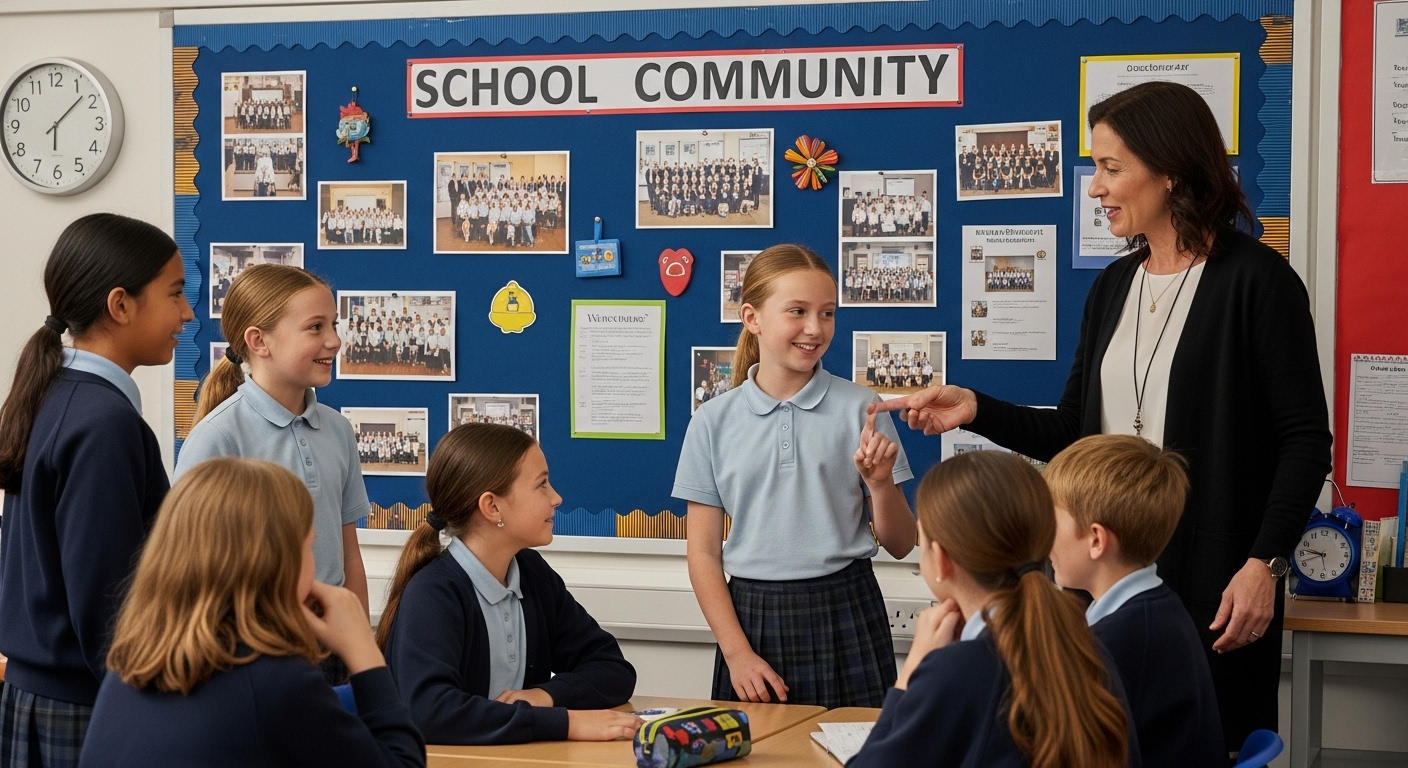 These collective moments help transform abstract concepts of community into tangible, lived experiences.
Building Interpersonal Connections
Beyond creating shared experiences, assemblies serve as critical platforms for developing interpersonal skills and social understanding. They provide structured environments where students can:
- Observe diverse presentation styles
- Practice respectful listening
- Learn collaborative behavior
- Develop empathy through shared emotional experiences
For exploring innovative approaches to school community building, educators recognize that assemblies are more than informational events. They are strategic opportunities to cultivate a supportive, inclusive school culture.
Ultimately, school assemblies function as social laboratories where students learn critical lessons about community participation, mutual respect, and collective growth. By designing intentional, engaging assembly experiences, schools can transform these gatherings into powerful tools for social and emotional learning.
Real-World Examples and Best Practices
Effective elementary school assemblies transform theoretical concepts into practical, engaging learning experiences. According to the National Center on Safe Supportive Learning Environments, successful educational programs leverage community partnerships and innovative approaches to create meaningful student interactions.
Successful Assembly Approaches
Schools across the country have developed innovative assembly strategies that demonstrate best practices in educational programming. Successful approaches typically include:
- Interactive storytelling techniques
- Curriculum aligned performance content
- Student participation opportunities
- Multi sensory learning experiences
These approaches move beyond traditional lecture formats, creating dynamic environments where students actively engage with educational content. By designing assemblies that feel more like participatory experiences than passive presentations, schools maximize learning potential.
Practical Implementation Strategies
Implementing high quality assemblies requires strategic planning and thoughtful execution. Effective schools focus on:
- Selecting age appropriate content
- Ensuring clear learning objectives
- Incorporating diverse presentation styles
- Maintaining student engagement throughout the program
For exploring innovative assembly program designs, educators must consider multiple factors including student developmental stages, curriculum connections, and interactive potential.
Ultimately, successful assemblies are not one size fits all experiences. They represent carefully crafted educational moments that balance entertainment, engagement, and substantive learning. By continuously adapting and refining assembly approaches, schools can create powerful educational experiences that inspire, educate, and motivate young learners.
Turn Your Next Elementary School Assembly Into a Powerful Learning Experience
Do you find it hard to create assemblies that truly inspire, unite, and educate your students? This article highlights how purposeful assemblies build community, foster social skills, and spark curiosity. Yet, many schools struggle to deliver engaging, curriculum-aligned content that captures students’ attention and leaves a lasting impression. The key is crafting assemblies that are both interactive and educational—just as explored in the Assemblies Archives section on our site.
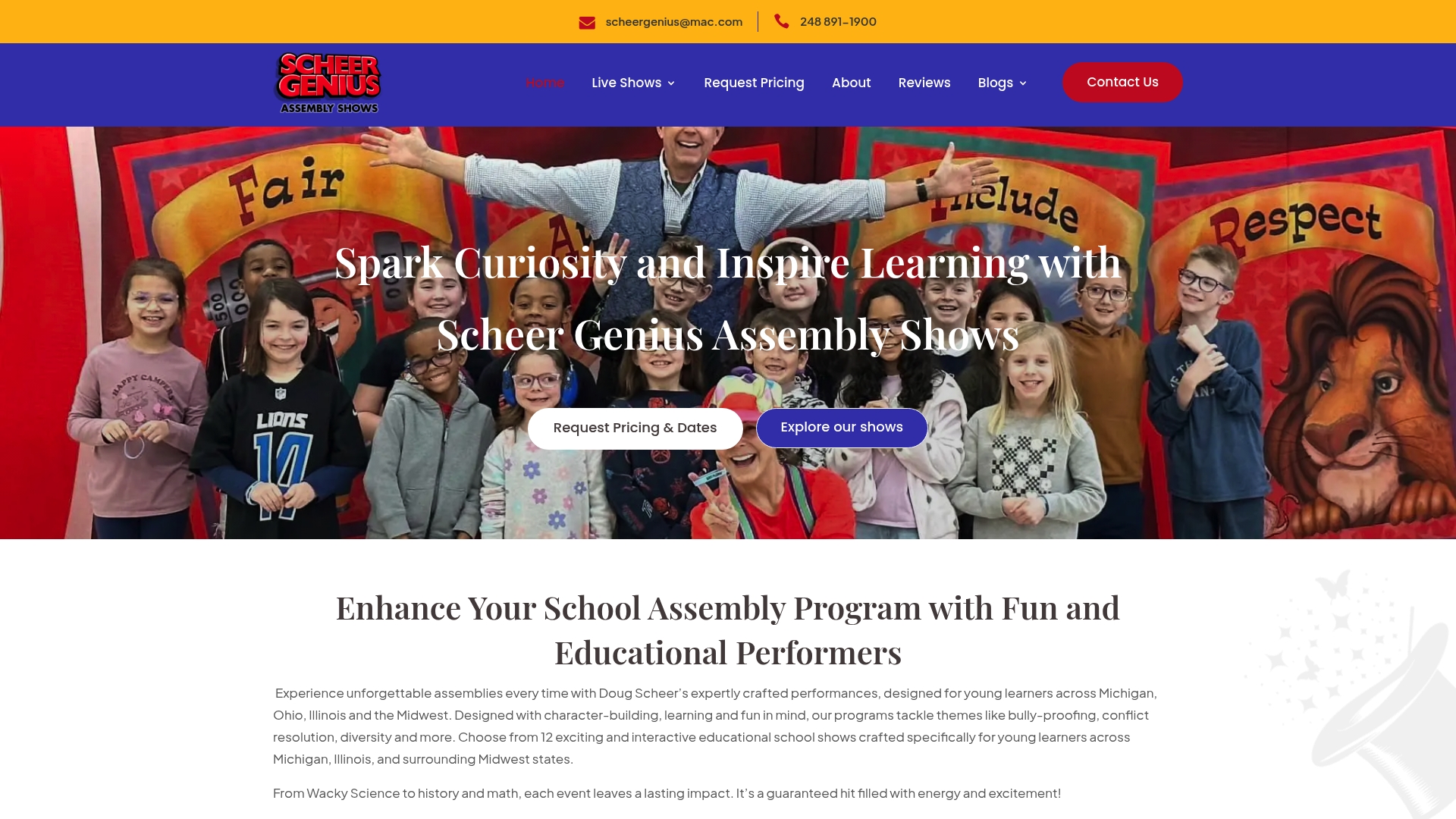
Let your next school gathering become a transformational event. Choose AssemblyShows.com for high-energy, educational programs that blend learning with laughter. Led by Doug Scheer and available live or online, our shows create the memorable, collective experiences your community needs. Discover all your options and see how easy it is to energize your students with our virtual shows. Contact us now to secure a date before the school year fills up.
Frequently Asked Questions
What is the purpose of an elementary school assembly?
Elementary school assemblies provide educational, informative, and inspirational experiences, enhancing collective learning and building school community.
What types of events are typically featured in school assemblies?
Common events include academic achievement recognitions, safety awareness presentations, cultural celebrations, and entertainment performances that align with educational goals.
How do assemblies contribute to a child’s social and emotional development?
Assemblies foster interpersonal skills, promote diversity and inclusion, and create collective emotional experiences, which are essential for students’ psychological and social growth.
What should schools consider when planning a successful assembly?
Key considerations include age-appropriate content, engaging presentation styles, clear learning objectives, and effective logistical planning to ensure a smooth experience.