
More than half of students admit they tune out during standard school assemblies, missing valuable lessons and connections. Traditional formats rarely spark enthusiasm or creativity, leaving both teachers and students wanting more. Discover how creative, cost-effective assemblies—ranging from student performances to interactive virtual events—can transform passive audiences into active, engaged learners while making the most of your school’s resources.
Quick Summary
| Takeaway | Explanation |
|---|---|
| 1. Empower students with assembly performances | Allowing students to lead assemblies enhances their engagement, builds confidence, and develops essential skills like teamwork and communication. |
| 2. Utilize virtual guest speakers for savings | Inviting experts remotely reduces costs and expands learning opportunities without travel expenses, making education more accessible. |
| 3. Leverage community resources for assemblies | Engaging local professionals can provide authentic learning experiences while saving budget on presentations and enriching student connections. |
| 4. Incorporate interactive games into assemblies | Transform learning by making educational content engaging through gameplay, enhancing student participation and understanding of complex concepts. |
| 5. Organize multi-school assembly events | Collaborating with other schools allows for sharing resources and creating larger, more diverse educational experiences at reduced costs. |
1. Plan Student-Led Assembly Performances
Student-led assembly performances offer a powerful way to transform traditional school gatherings into dynamic learning experiences. By empowering students to take center stage, schools can create engaging presentations that not only entertain but also develop critical leadership and communication skills.
Why Student-Led Performances Matter
Let’s be real. Most students dread boring assemblies where they sit passively and listen. Student-led performances flip that script. When students design and execute their own presentations, they become active participants in their educational experience. This approach builds confidence, encourages teamwork, and allows learners to showcase their unique talents.
Strategic Performance Planning
Successful student-led assemblies require careful preparation. Start by forming a student leadership committee responsible for brainstorming themes, developing performance concepts, and managing rehearsals. Look for students with natural leadership abilities who can coordinate across different grade levels and interests.
Performance Types to Consider
Diversify your student-led assembly performances to keep things interesting:
- Talent Showcases: Allow students to demonstrate musical, dance, or theatrical skills
- Educational Demonstrations: Create performances that highlight curriculum topics
- Cultural Celebration Presentations: Spotlight diverse student backgrounds and experiences
- Anti-Bullying or Social Awareness Skits: Use performance as a platform for meaningful messaging
When students take ownership of their assembly experiences, magic happens. They learn valuable skills like public speaking, collaboration, and creative problem solving while creating memorable school moments.
For more inspiration on engaging student performances, check out our guide on creative assembly program ideas.
Remember that the goal isn’t perfection but participation. Encourage creativity, support student vision, and watch your school assemblies transform from mundane to magnificent.
2. Use Virtual Guest Speakers for Cost Savings
Virtual guest speakers represent a game changing strategy for schools looking to provide high quality educational experiences without breaking the budget. By leveraging digital platforms, schools can invite expert presenters from around the world while dramatically reducing traditional travel and accommodation expenses.
The Economic Advantage
According to KQED MindShift, virtual guest speakers offer significant financial benefits while simultaneously expanding learning opportunities. Schools can now access world class experts and professionals who might have been previously out of reach due to geographic or budgetary constraints.
Strategic Virtual Speaker Selection
Choosing the right virtual guest speaker requires thoughtful planning. Look for professionals who not only have expertise in their field but also understand how to engage students through digital platforms. Ideal candidates should have:
- Strong presentation skills
- Experience with interactive digital platforms
- Ability to create dynamic online learning experiences
- Curriculum relevant knowledge
Technical Considerations
Ensure your school has reliable internet connectivity and appropriate video conferencing tools. Test the technical setup in advance to prevent potential disruptions during the presentation. Many platforms like Zoom Google Meet and Microsoft Teams offer education friendly features that make virtual interactions smooth and engaging.
Maximizing Student Engagement
To keep students actively involved prepare interactive elements such as live Q&A sessions poll questions or real time collaborative activities. These techniques transform passive viewing into an immersive learning experience.
Budget Friendly Implementation
Many professional organizations universities and industry experts offer affordable or even free virtual speaking opportunities. Reach out to local businesses professional associations and alumni networks to find potential speakers who are willing to share their knowledge.
By embracing virtual guest speakers schools can create memorable educational experiences while maintaining fiscal responsibility. The digital world offers unprecedented access to expertise making learning more dynamic and accessible than ever before.
For additional insights on engaging student assemblies check out our guide on creative assembly program ideas.
3. Leverage Free Community Resources and Experts
Unlocking valuable assembly experiences does not always require a massive budget. Your local community contains a treasure trove of talented professionals eager to share their knowledge and inspire students without charging expensive speaking fees.
Why Community Experts Matter
Local professionals bring authentic real world perspectives that textbooks cannot capture. From firefighters and police officers to small business owners and artists these community members can transform an ordinary assembly into an extraordinary learning opportunity.
Potential Community Expert Categories
Consider reaching out to professionals from these diverse backgrounds:
- Local first responders
- Small business entrepreneurs
- College student ambassadors
- Nonprofit organization representatives
- Cultural heritage experts
- Professional athletes or coaches
- Local government representatives
- Skilled trades professionals
Strategic Outreach Approaches
Building relationships with community experts requires thoughtful networking. Start by connecting with your local chamber of commerce professional associations and community centers. Many professionals are enthusiastic about sharing their experiences and supporting educational initiatives.
Practical Implementation Steps
Preparation is Key. Before inviting a community expert create a clear presentation framework. Provide specific guidelines about presentation length age appropriate content and learning objectives. This helps professionals understand exactly what you need and ensures a meaningful student experience.
Most community experts will volunteer their time because they want to make a difference. Their passion often translates into more engaging presentations compared to paid speakers who might deliver generic content.
For additional strategies on creating engaging assemblies check out our guide on creative assembly program ideas.
Remember that the most impactful assemblies connect students with authentic human experiences. Community experts offer precisely that connection transforming traditional school gatherings into memorable learning adventures.
4. Integrate Curriculum With Interactive Games
Interactive games represent a powerful strategy for transforming traditional assembly presentations into engaging learning experiences. By turning educational content into dynamic gameplay, schools can capture student attention while reinforcing critical academic concepts.
The Learning Power of Games
According to Common Sense Education, interactive games can dramatically enhance student learning when strategically designed. They provide a unique opportunity to make complex subjects more accessible and enjoyable.
Game Design Principles
Successful curriculum based games share several key characteristics:
- Clear learning objectives
- Age appropriate challenge levels
- Interactive and collaborative elements
- Immediate feedback mechanisms
- Alignment with specific academic standards
Types of Educational Assembly Games
Consider these innovative game formats for your next school assembly:
Knowledge Quiz Challenges: Create team based trivia competitions that test students understanding of specific subjects. These games encourage friendly competition while reinforcing learning.
Role Playing Scenarios: Design interactive scenarios where students solve problems related to historical events scientific concepts or social challenges. This approach transforms abstract ideas into memorable experiences.
Strategic Implementation Tips
Start small and iterate. Begin with simple game formats and gradually increase complexity based on student engagement and feedback. Collaborate with teachers to ensure the games genuinely support curricular goals.
Technology and Accessibility
Leverage free or low cost digital platforms that enable interactive gameplay. Many online tools offer customizable templates that make game creation straightforward and budget friendly.
Learn more about creating dynamic educational experiences with our guide on interactive teaching methods.
Remember that the most effective educational games feel less like instruction and more like an exciting challenge. When students are having fun they are often learning more deeply than they realize.
5. Host Multi-School Shared Assembly Events
Multi school shared assembly events represent an innovative strategy for delivering high quality educational experiences while dramatically reducing individual school costs. By pooling resources and collaborative planning schools can create memorable learning opportunities that transcend traditional institutional boundaries.
The Collaborative Advantage
Shared assembly events offer multiple strategic benefits. They allow schools to spread financial responsibilities split logistical challenges and provide students with broader perspectives by connecting them with peers from different educational environments.
Planning Collaborative Assembly Strategies
Successful multi school events require careful coordination and clear communication. Consider these essential planning elements:
- Identify compatible schools with similar educational goals
- Establish shared budgetary responsibilities
- Select universal themes that resonate across different student populations
- Create joint planning committees with representatives from each participating school
Potential Shared Assembly Formats
Virtual Collaborative Presentations: Leverage digital platforms to connect multiple schools simultaneously. These events can feature guest speakers experts or interactive educational performances that reach students across different locations.
Rotating Performance Model: Design assembly programs where each participating school develops a segment of the presentation. This approach distributes creative responsibilities and provides students with leadership opportunities.
Budgetary Considerations
By sharing costs each participating school can access higher quality presenters educational programs and experiences that might have been financially prohibitive individually. Think of it as educational resource pooling.
Technology and Connectivity
Modern digital tools make multi school collaborations easier than ever. Video conferencing platforms interactive online spaces and shared digital resources eliminate many traditional logistical barriers.
For additional insights into creating engaging assembly experiences check out our interactive assembly tips guide.
Remember that successful multi school events are not just about cost savings. They represent powerful opportunities for student connection learning and shared educational growth.
6. Incorporate DIY Science and Art Demonstrations
Do it yourself science and art demonstrations transform traditional assemblies into interactive learning experiences that spark curiosity and creativity. By empowering students and teachers to become active participants schools can create memorable educational moments without significant financial investment.
The Power of Hands On Learning
DIY demonstrations break down complex concepts into engaging visual experiences. They turn abstract ideas into tangible experiments that students can understand touch and explore. These presentations cost little but deliver maximum educational impact.
Strategic Demonstration Categories
Consider incorporating demonstrations from these exciting areas:
- Simple chemistry experiments
- Physics demonstrations using household materials
- Interactive art creation techniques
- Engineering design challenges
- Biological concept visualizations
- Mathematical pattern explorations
Science Demonstration Principles
Safety First: Always prioritize student safety by selecting age appropriate experiments and providing clear guidance. Involve science teachers in planning to ensure educational accuracy and proper risk management.
Materials Management
Look for demonstrations using affordable readily available materials. Common household items like baking soda vinegar balloons rubber bands and food coloring can create spectacular scientific presentations that cost almost nothing.
Art and Creativity Integration
Blend scientific principles with artistic expression. Demonstrations that show how art and science intersect can inspire students to see these disciplines as interconnected rather than separate fields.
For exciting ideas that combine learning and entertainment check out our virtual scientific magic tricks.
Remember that the most powerful educational experiences are those that make students say wow while simultaneously helping them understand something new about the world around them.
7. Organize Virtual or Hybrid Assembly Formats
Virtual and hybrid assembly formats have emerged as powerful solutions for schools seeking flexible engaging educational experiences. These innovative approaches allow institutions to transcend traditional physical limitations while maintaining meaningful student connections.
Adapting to Modern Learning Landscapes
According to KQED MindShift, schools are increasingly recognizing the potential of digital assembly platforms to create inclusive interactive learning environments.
Strategic Format Options
Consider these versatile assembly presentation models:
- Fully virtual presentations with interactive digital elements
- Simultaneous in person and online streaming events
- Recorded segments with live interactive Q&A sessions
- Rotating hybrid presentations featuring local and remote participants
Technical Considerations
Platform Selection: Choose robust video conferencing tools that support:
- High quality audio and video streaming
- Interactive participant features
- Screen sharing capabilities
- Breakout room functionality
Engagement Strategies
Successful virtual assemblies require more than just technological tools. Design presentations with dynamic content short segment lengths and multiple interaction points to maintain student attention.
Budget Friendly Implementation
Many video platforms offer free or low cost educational versions. Leverage these tools to minimize technology expenses while maximizing educational impact.
For comprehensive insights into creating compelling virtual experiences check out our virtual assembly shows guide.
Remember that the most effective assemblies focus on connection engagement and meaningful learning experiences regardless of the delivery format.
Below is a comprehensive table summarizing the strategies for enhancing school assemblies discussed in the article.
| Strategy | Implementation | Benefits |
|---|---|---|
| Student-Led Performances | Form a student leadership committee to plan and execute assemblies, including talent showcases and educational demonstrations. | Builds confidence, encourages teamwork, and develops public speaking skills. |
| Virtual Guest Speakers | Use digital platforms to host expert speakers from around the world, ensuring strong presentation skills and reliable internet connectivity. | Expands learning opportunities while saving costs on travel and accommodations. |
| Community Resources | Connect with local professionals and organizations to bring authentic real-world insights to assemblies without expensive fees. | Provides authentic human experiences and enriches curricular connections. |
| Interactive Games | Design educational games with clear objectives aligned with curriculum using free or low-cost digital tools. | Makes learning enjoyable and reinforces academic concepts through engagement. |
| Multi-School Events | Coordinate with other schools to pool resources for joint assemblies, using digital tools for virtual collaborations. | Saves costs and broadens student perspectives through shared educational experiences. |
| DIY Science and Art Demonstrations | Involve students in hands-on experiments and art displays using affordable materials, prioritizing safety. | Sparks curiosity and creativity, making complex concepts accessible. |
| Virtual/Hybrid Formats | Use video conferencing for fully virtual or hybrid assemblies, ensuring engaging content and reliable platform features. | Offers flexible and inclusive learning experiences while connecting students. |
Transform Your School Assemblies with Budget-Friendly, Impactful Programs
Creating engaging, educational assemblies without overspending can feel like an uphill battle. This article highlights practical solutions such as student-led performances, virtual guest speakers, and interactive games that inspire active participation and meaningful learning. Your goal is clear: provide memorable experiences that boost student confidence and collaboration while staying within budget.
AssemblyShows.com understands these challenges. Led by veteran performer Doug Scheer, our programs combine curriculum-aligned content with high-energy interactive fun designed specifically for elementary and middle schools in the Midwest. Whether you want to embrace the power of virtual presentations or dynamic live shows, explore our Virtual Shows Archives and School Assembly Performers Archives to find an assembly experience tailored to your needs.
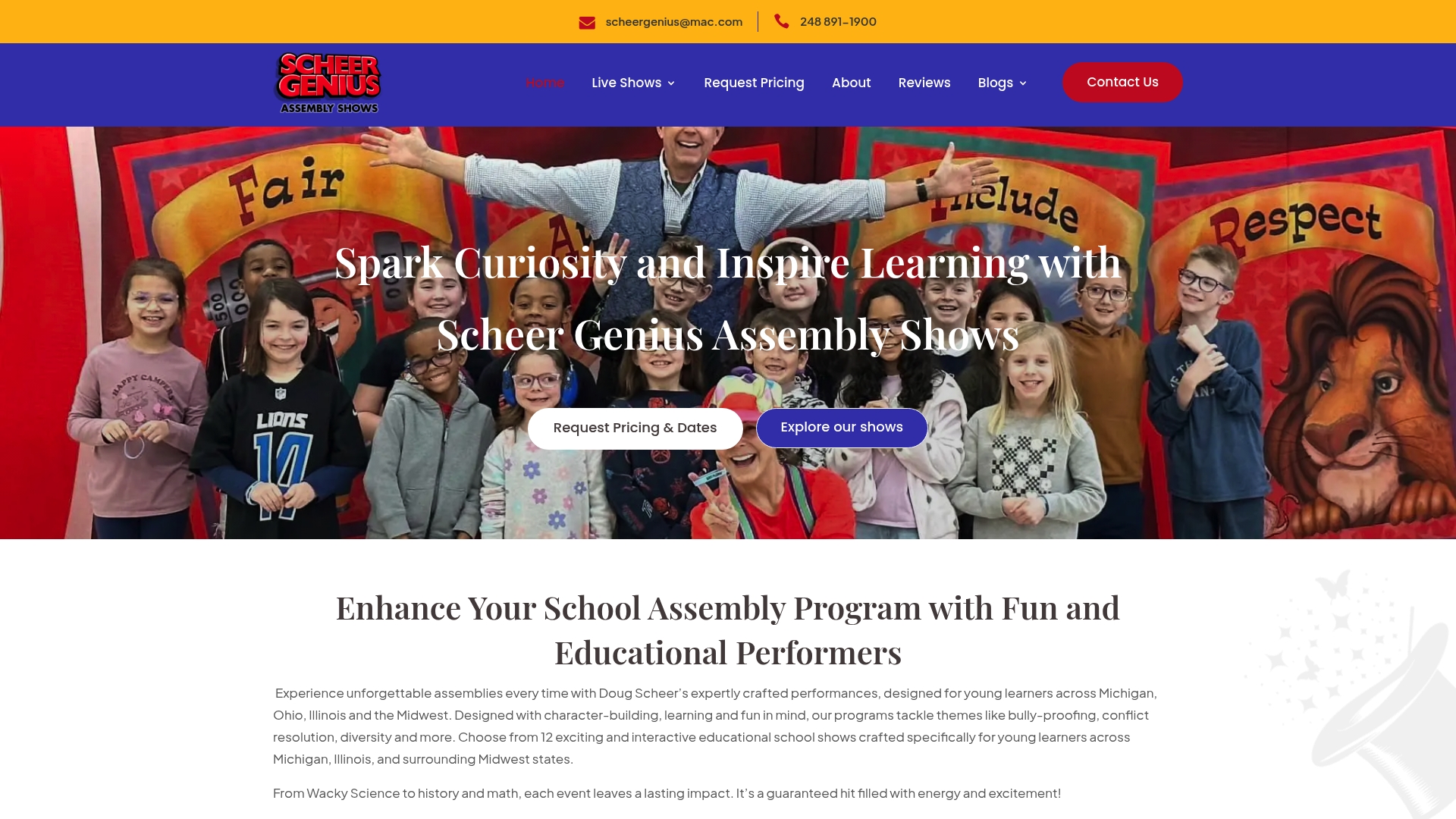
Ready to bring unforgettable, budget-friendly assemblies to your students this year? Visit AssemblyShows.com now to discover 12 dynamic programs that make learning exciting without stretching your funds. Act today to empower your school with captivating educational entertainment that students will remember long after the final curtain closes.
Frequently Asked Questions
How can I plan a budget-friendly student-led assembly performance?
To plan a budget-friendly student-led assembly, form a student leadership committee tasked with brainstorming themes and managing rehearsals. Use school resources to minimize costs and encourage creativity without striving for perfection.
What types of performances can we include in a budget-friendly assembly?
Consider incorporating talent showcases, educational demonstrations, and anti-bullying skits as budget-friendly performance types. Engage students from various grade levels to diversify the assembly experience without significant costs.
How do I select virtual guest speakers for assemblies on a budget?
To select budget-friendly virtual guest speakers, look for professionals with expertise who can engage students and align with your curriculum goals. Use outreach to local businesses and educational institutions to find affordable or free speaking opportunities.
What community resources can I leverage for assembly presentations?
Leverage local community professionals, such as first responders or small business owners, who are often willing to share their knowledge at no cost. Establish contact through community centers or professional associations to arrange engaging presentations.
How can I incorporate interactive games into a cost-effective assembly?
Incorporate interactive games by designing trivia competitions or role-playing scenarios that align with curricular goals. Start small with simple formats and gradually increase complexity based on student engagement to enhance learning experiences.
What steps should I take to host a shared assembly event with multiple schools?
To host a shared assembly, identify compatible schools and establish a joint planning committee to coordinate logistics. Spread the budgetary responsibilities among schools to access better resources and create a collaborative learning experience.
Recommended
- Complete Guide to Rising Assembly Themes 2026 – Scheer Genius Assembly Shows
- Effective Classroom Assembly Preparation: A Step-by-Step Guide – Scheer Genius Assembly Shows
- Think Positive: The Future Of Assembly Shows – Scheer Genius
- 8 Fun Elementary School Assembly Ideas for Engaging Students – Scheer Genius Assembly Shows