
Nearly one in four American students now miss significant classroom time each year, a trend that raises serious questions about engagement and achievement. As participation rates drop, schools face growing pressure to uncover why students are disconnected and how to re-engage them effectively. Understanding and addressing these challenges can make a real difference, offering actionable ways for educators and administrators to help every student find their place in the classroom.
Quick Summary
| Key Point | Explanation |
|---|---|
| 1. Assess Participation Data | Collect data through surveys, attendance records, and teacher feedback to identify disengagement patterns. |
| 2. Set Clear Participation Goals | Establish measurable and transparent goals that motivate students and track their progress in participation. |
| 3. Create Interactive Learning Opportunities | Design engaging assembly shows and activities that promote active student involvement and curiosity. |
| 4. Empower Student Leadership | Provide roles and responsibilities for students to develop leadership skills and enhance their engagement in learning. |
| 5. Continuously Evaluate and Adapt Strategies | Regularly analyze participation data to refine interventions and adapt strategies based on feedback and emerging trends. |
Step 1: Assess Current Participation Levels and Challenges
Understanding student participation requires a systematic approach to identifying engagement gaps and challenges within your school environment. Chronic absenteeism rates now present significant obstacles to learning, with nearly one in four students missing substantial classroom time annually.
To effectively assess participation, start by collecting comprehensive data through multiple channels. Conduct anonymous surveys with students, analyze attendance records, review academic performance metrics, and solicit feedback from teachers. Pay special attention to patterns of disengagement. The recent Pew Research survey revealed that 49% of teachers rate student behavior and academic performance as fair or poor, underscoring the widespread nature of participation challenges.
Develop a tracking system that captures both quantitative and qualitative data. Track metrics like class attendance, participation rates in discussions, assignment completion percentages, and engagement during interactive learning activities. Look for trends across different student groups, grade levels, and subject areas. This nuanced approach will help you pinpoint specific areas requiring targeted intervention strategies to boost student participation and academic success.
Warning: Avoid using punitive measures when addressing participation gaps. Instead, focus on understanding underlying reasons for disengagement and creating supportive, motivating learning environments.
Step 2: Set Clear Participation Goals and Incentives
Establishing meaningful participation goals transforms student engagement from a passive concept to an actionable strategy. The U.S. Department of Education’s Student Engagement and Attendance Technical Assistance Center emphasizes creating targeted objectives that motivate students and track measurable progress.
Begin by developing specific participation goals that are realistic and transparent. Break down broader objectives into granular metrics students can understand and track. Next Generation Learning Challenges highlights the importance of data-driven incentive structures that address individual student needs. Consider implementing tiered reward systems that recognize incremental improvements such as weekly attendance achievements, classroom participation increases, and consistent assignment completion.
Draft a comprehensive participation framework that balances recognition with intrinsic motivation. Design incentives that go beyond simple external rewards like certificates or small prizes. Create opportunities for students to gain meaningful academic advantages such as additional project choices, leadership roles in classroom activities, or personalized learning pathways. These approaches demonstrate that participation is about personal growth and academic empowerment.
Warning: Avoid incentive systems that might unintentionally shame or marginalize students who struggle with participation. Focus on positive reinforcement and individual progress tracking instead of comparative performance metrics.
Step 3: Incorporate Interactive Assembly Shows and Activities
Interactive learning experiences represent a powerful strategy for transforming student participation and engagement. These dynamic programs break through traditional classroom barriers by creating memorable, immersive learning opportunities that capture students attention and spark genuine curiosity.
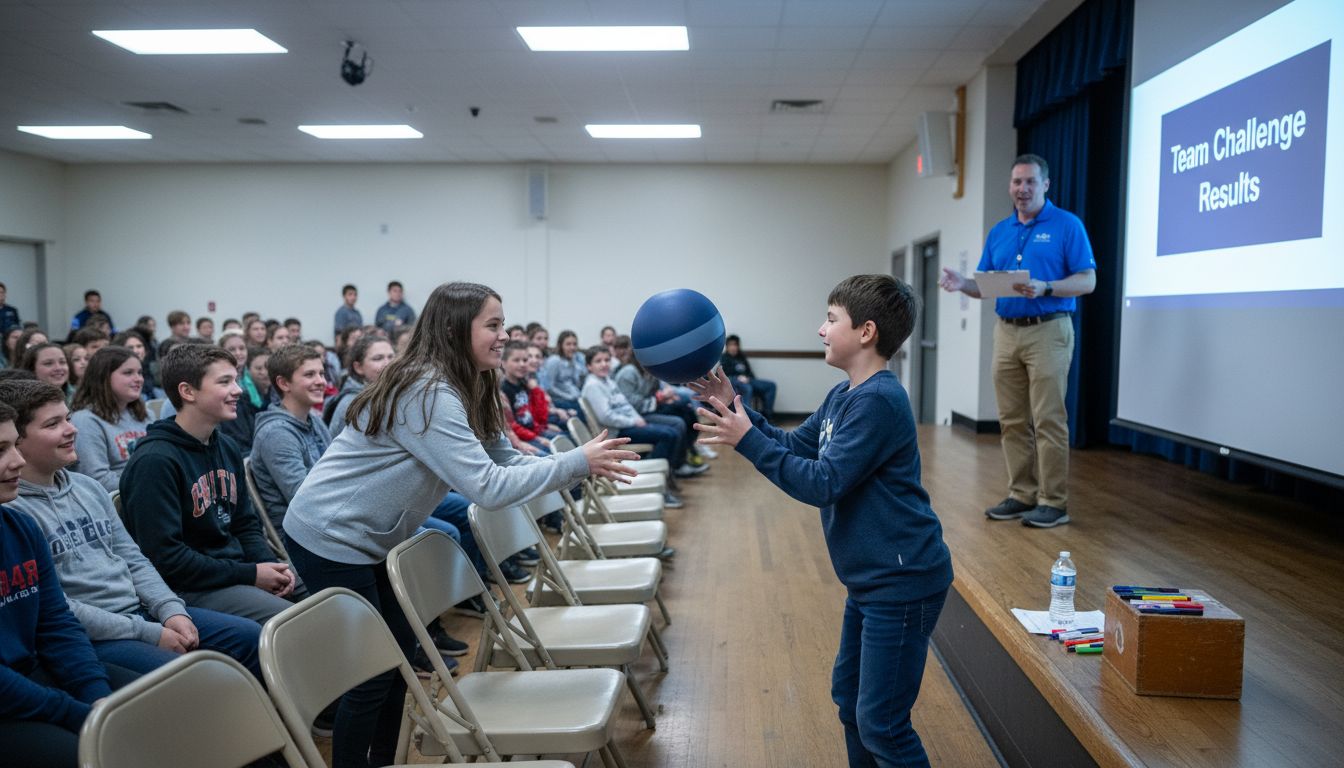
Design assembly shows and activities that align with core curriculum objectives while maintaining high energy and interactive elements. Competitive learning environments can dramatically increase student involvement by introducing elements of challenge, collaboration, and personal achievement. Consider incorporating interactive assembly tips that encourage direct student participation such as live demonstrations, group problem solving challenges, and hands on learning experiences that make educational content come alive.
When planning interactive assemblies, focus on creating multisensory experiences that appeal to different learning styles. Integrate visual presentations, physical movement, group discussions, and real world problem solving scenarios. Ensure that activities provide opportunities for students to contribute meaningfully engage with content and feel a sense of personal investment in the learning process.
Warning: Avoid overly scripted or passive assembly experiences. The goal is to create dynamic interactions that stimulate student thinking and active participation rather than passive observation.
Step 4: Empower Students With Leadership Opportunities
Closing the participation gap requires creating meaningful pathways for student leadership that transform passive learning environments into dynamic collaborative spaces. Empowering students with genuine leadership roles not only increases engagement but also develops critical life skills that extend far beyond classroom walls.
Design a comprehensive leadership framework that offers diverse opportunities for students to take ownership of their educational experience. The National Association of Secondary School Principals survey highlights the transformative potential of student leadership positions across multiple domains. Implement programs such as peer mentoring initiatives, student council roles, classroom assistant positions, project management teams, and collaborative problem solving groups that allow students to demonstrate responsibility and develop authentic leadership capabilities.
Structure leadership opportunities with clear expectations and meaningful support. Create a transparent selection process that considers students individual strengths and potential rather than solely focusing on traditional academic performance. Provide training workshops, mentorship programs, and reflective feedback mechanisms that help students grow their leadership skills progressively. Recognize and celebrate student contributions through public acknowledgments, leadership certificates, and opportunities to showcase their achievements.
Warning: Avoid tokenistic leadership roles that lack real impact. Genuine empowerment means giving students substantive responsibilities and the authentic ability to influence their learning environment.
Step 5: Evaluate Results and Refine Strategies
Analyzing student participation data requires a systematic and nuanced approach that goes beyond surface level metrics. Continuous evaluation helps schools identify meaningful patterns and develop targeted interventions that address underlying engagement challenges.
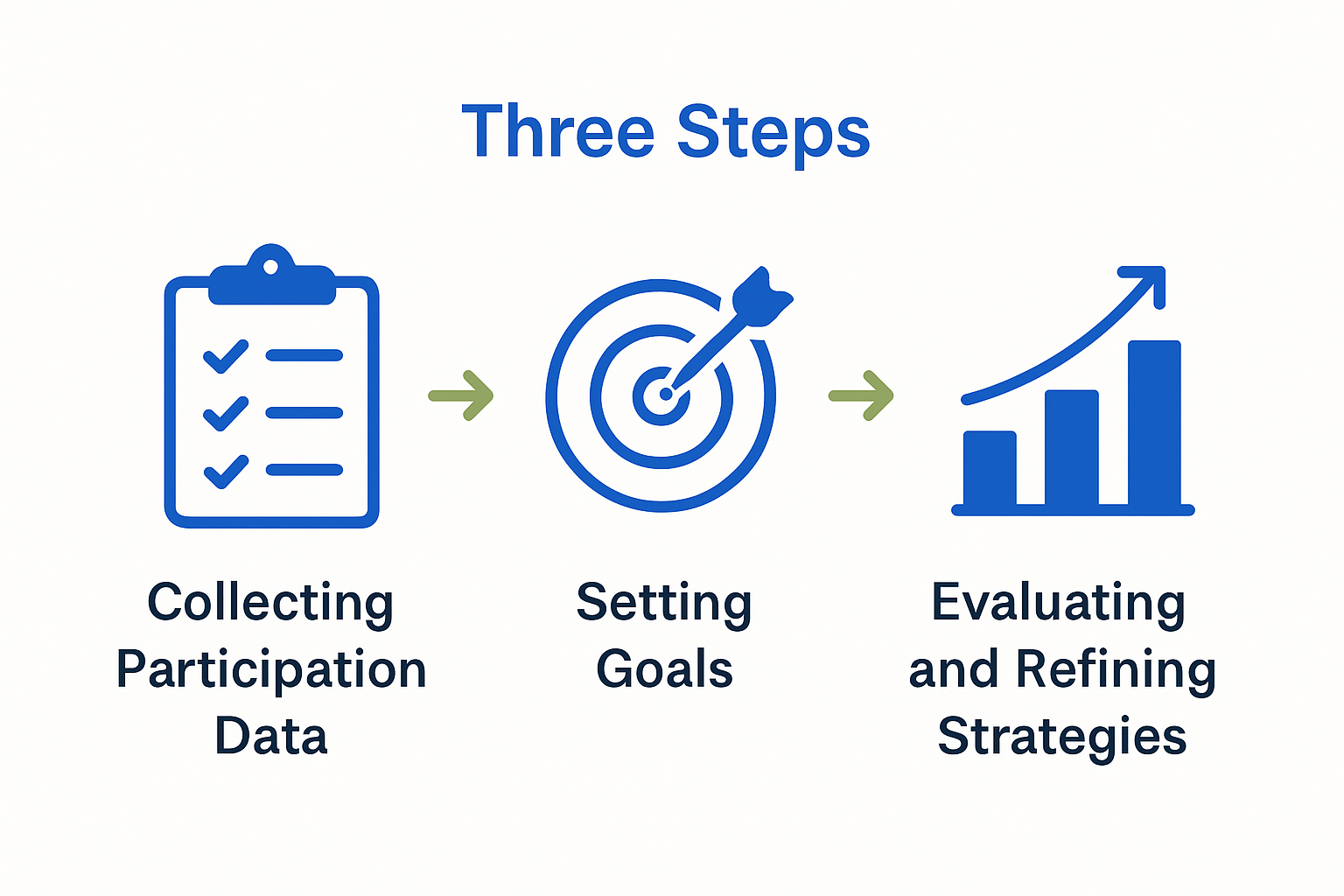
The National Center for Education Statistics highlights the critical importance of developing comprehensive assessment frameworks. Implement a multi dimensional tracking system that captures quantitative and qualitative participation indicators. Use digital dashboards to monitor key metrics such as attendance rates, classroom interaction frequency, assignment completion percentages, and student feedback surveys. Compare these metrics across different student groups, learning environments, and intervention strategies to understand which approaches generate the most significant improvements.
Establish a regular review cycle where leadership teams conduct deep dive analysis of participation data. Schedule quarterly meetings to discuss findings, brainstorm refinement strategies, and create actionable improvement plans. Encourage feedback from students, teachers, and administrators to ensure a holistic understanding of participation challenges. Develop adaptive strategies that can be quickly adjusted based on emerging insights and changing educational landscapes.
Warning: Avoid treating data analysis as a one time event. Effective participation strategies require continuous monitoring, flexible thinking, and a willingness to experiment with innovative approaches.
Energize Student Participation with Interactive Assembly Shows
Struggling to boost student engagement and close the participation gap? This article highlights the critical need for dynamic, interactive experiences that transform passive attendance into active involvement. Key challenges like inconsistent attendance, lack of motivation, and limited leadership opportunities demand creative solutions that truly connect with students.
Our high-energy assembly programs at AssemblyShows.com are designed to ignite curiosity and foster meaningful participation through curriculum-aligned, interactive fun. Whether you choose from our captivating Assemblies Archives – Scheer Genius Assembly Shows or engaging Virtual Shows Archives – Scheer Genius Assembly Shows, each performance inspires students to contribute, collaborate, and develop confidence.
Take the first step toward transforming your school’s student engagement strategy. Discover how our proven assemblies can support your goals for improved attendance, motivation, and leadership growth. Visit AssemblyShows.com now to explore our programs and schedule an unforgettable experience that sparks participation and academic success.
Frequently Asked Questions
How can I assess current student participation levels?
To assess current student participation levels, collect data through surveys, attendance records, and teacher feedback. Focus on trends in engagement across different student groups and subject areas to identify areas needing improvement.
What goals should I set to boost student participation?
Set specific and realistic participation goals that students can understand and track. Break broader objectives into measurable metrics such as weekly attendance rates and assignment completion percentages to motivate students.
How can interactive assembly shows help improve student engagement?
Interactive assembly shows create immersive learning experiences that actively involve students. Design activities that align with curriculum objectives and encourage hands-on participation, like live demonstrations and group problem-solving challenges.
What types of leadership opportunities can I provide to students?
Offer diverse leadership roles such as peer mentoring and student council positions to empower students. Ensure these roles come with clear expectations and necessary support, allowing students to take ownership of their learning environment.
How do I evaluate the success of my participation strategies?
Evaluate success by implementing a system that tracks both quantitative metrics, like attendance and assignment completion, and qualitative feedback from students. Conduct regular reviews to refine strategies based on collected data and improve participation levels over time.
Recommended
- How to Boost Student Engagement for School Success – Scheer Genius Assembly Shows
- Understanding Student Engagement Checklists for Schools – Scheer Genius Assembly Shows
- Understanding the Value of Student Engagement in Education – Scheer Genius Assembly Shows
- Boost Student Engagement Step by Step for Effective Learning – Scheer Genius Assembly Shows