
Diversity in education shapes how students see the world and each other. Schools that embrace differences do more than just fill seats with kids from different backgrounds. Here is a surprising fact—students in diverse classrooms build stronger problem-solving and empathy skills, with research from the American Psychological Association showing clear cognitive and emotional gains. That is not where it ends. The most impressive part is how these environments spark curiosity and turn learning into a shared journey where everyone grows together.
Table of Contents
- The Concept Of Diversity In Education
- The Importance Of Diversity For Student Development
- How Diversity Enhances Learning Environments
- Key Benefits Of Diverse Perspectives In Education
- Real-World Implications Of Embracing Diversity
Quick Summary
| Takeaway | Explanation |
|---|---|
| Diversity enhances learning environments. | Diverse classrooms foster critical thinking and problem-solving by exposing students to various perspectives and approaches. |
| Inclusive settings build social intelligence. | Students learn vital skills such as empathy and effective communication through interactions with peers from different backgrounds. |
| Embrace diverse teaching strategies. | Educators should actively create curricula that reflect and accommodate multiple learning styles and experiences to promote inclusivity. |
| Diversity prepares for global citizenship. | Exposure to varied viewpoints cultivates informed, engaged citizens who can navigate complex social landscapes. |
| Diversity promotes professional and economic success. | Organizations with diverse teams outperform their competitors by leveraging varied perspectives for enhanced creativity and innovation. |
The Concept of Diversity in Education
Diversity in education represents a comprehensive approach to creating inclusive learning environments that recognize, respect, and celebrate the unique backgrounds, experiences, and perspectives of all students. At its core, this concept goes beyond simply having students from different racial or ethnic groups in the same classroom. Understanding diversity and inclusion assemblies can provide deeper insights into how schools implement these critical strategies.
Defining Educational Diversity
Educational diversity encompasses multiple dimensions that extend far beyond surface-level differences.
Below is a table summarizing the key dimensions of educational diversity as described in the article, helping clarify how diversity is defined in school environments.
| Dimension | Description |
|---|---|
| Racial and Ethnic Background | Students from various cultural heritage groups |
| Socioeconomic Status | Representation of students from different economic circumstances |
| Learning Abilities | Inclusion of students with diverse learning styles and capabilities |
| Gender Identity | Spaces that respect and support all gender expressions |
| Language Background | Support for students with different linguistic experiences |
| These dimensions include: |
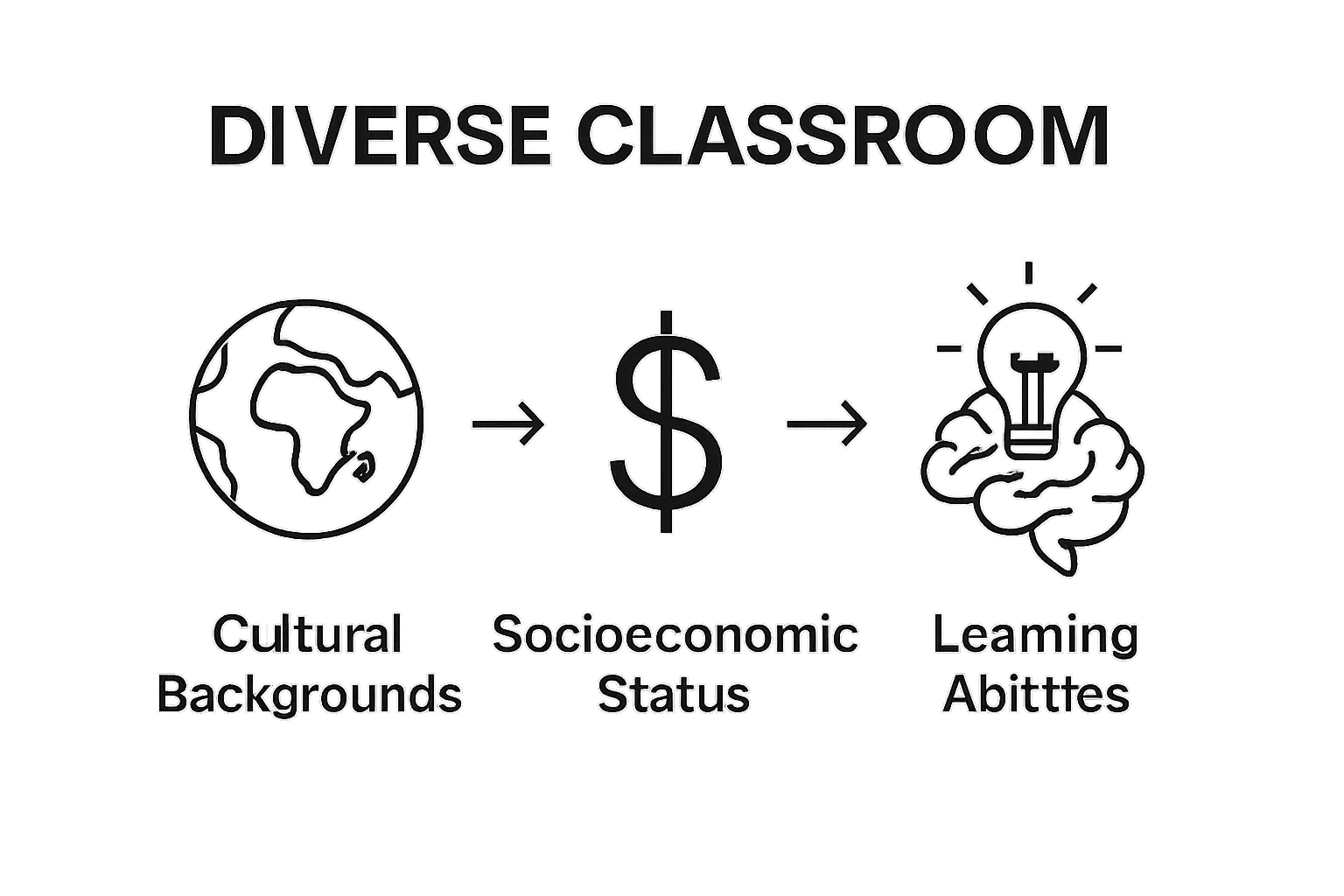
- Racial and Ethnic Background: Students from various cultural heritage groups
- Socioeconomic Status: Representation of students from different economic circumstances
- Learning Abilities: Inclusive environments for students with diverse learning styles and capabilities
- Gender Identity: Creating spaces that respect and support all gender expressions
- Language Background: Supporting students with different linguistic experiences
According to research from the National Education Association, diversity in educational settings is not just a moral imperative but a critical strategy for preparing students for a complex, interconnected world.
The Transformative Power of Inclusive Learning
Diverse educational environments provide profound benefits that extend well beyond academic achievement. They help students develop critical skills like empathy, cultural competence, and adaptability. By exposing students to different perspectives and lived experiences, schools can create powerful learning opportunities that challenge preconceived notions and broaden intellectual horizons.
Students in truly diverse classrooms learn to communicate across differences, understand complex social dynamics, and develop more nuanced worldviews. These skills become increasingly important in our globally connected society, where understanding and respecting diverse perspectives is essential for personal and professional success.
Moreover, diversity in education prepares students to be more effective collaborators, critical thinkers, and engaged citizens who can navigate and contribute positively to a multifaceted global community.
The Importance of Diversity for Student Development
Student development in diverse educational environments transcends traditional academic learning, fundamentally reshaping how young people understand themselves and the world around them. 8 Secrets to teaching students of culturally diverse backgrounds can offer valuable insights into effective strategies for nurturing inclusive learning spaces.
Cognitive and Emotional Growth
Diversity plays a crucial role in stimulating cognitive and emotional development. When students are exposed to different perspectives, backgrounds, and experiences, they develop critical thinking skills that extend far beyond traditional classroom learning. According to research from the American Psychological Association, students in diverse environments demonstrate:
- Enhanced problem-solving abilities
- Increased capacity for empathy
- More sophisticated interpersonal communication skills
- Greater adaptability in complex social situations
These skills are not just academic advantages but essential life competencies that prepare students for future professional and personal challenges.
The following table outlines the core skills and benefits associated with diversity in educational environments, making it easy to see their relationship to student development.
| Benefit or Skill | Description |
|---|---|
| Enhanced Problem-Solving Abilities | Students develop stronger critical thinking through exposure to different viewpoints |
| Increased Empathy | Greater capacity to understand and relate to others’ experiences |
| Sophisticated Communication Skills | Improved ability to interact effectively with diverse peers |
| Adaptability | Better prepared to handle complex and unfamiliar situations |
| Cultural Competence | Deeper understanding and respect for cultural differences |
Social and Cultural Intelligence
Diverse educational settings serve as microcosms of global societies, providing students with invaluable opportunities to develop social and cultural intelligence. By interacting with peers from different backgrounds, students learn to:
- Recognize and respect cultural differences
- Challenge personal biases and stereotypes
- Communicate effectively across cultural boundaries
- Develop a more nuanced understanding of global interconnectedness
This exposure helps students build a foundation of understanding that goes beyond tolerance, fostering genuine respect and appreciation for human diversity. Students learn to navigate complex social landscapes, an increasingly critical skill in our interconnected world.
Ultimately, diversity in education is not just about representation but about creating transformative learning experiences that prepare students to be empathetic, informed, and engaged global citizens who can thrive in a complex, multicultural society.
This table compares the educational and real-world benefits that arise from promoting diversity in schools.
| Area | Impact of Diversity |
|---|---|
| Cognitive Development | Fosters critical thinking, creativity, and problem-solving |
| Social Growth | Builds empathy, communication, and collaboration skills |
| Professional Success | Enhances innovation, engagement, and decision-making in organizations |
| Societal Equity | Challenges biases and promotes more inclusive, equitable communities |
| Global Citizenship | Prepares students to understand and navigate complex, multicultural societies |
How Diversity Enhances Learning Environments
Diverse learning environments are transformative spaces that go beyond traditional classroom structures, creating rich educational ecosystems where students learn from each other’s unique perspectives and experiences. Books That Celebrate Diversity can provide additional resources for educators seeking to create more inclusive educational spaces.
Breaking Down Classroom Barriers
Traditional educational models often inadvertently reinforce limited worldviews by presenting information through a singular lens. Diverse learning environments challenge these constraints by introducing multiple perspectives, cultural insights, and varied learning approaches. According to research from the National Institutes of Health, students in diverse classrooms engage in more complex problem-solving, as exposure to different perspectives encourages deeper analytical thinking.
Key characteristics of enhanced learning environments include:
- Creating psychological safety for all students
- Encouraging respectful dialogue across differences
- Valuing multiple approaches to learning and understanding
- Challenging traditional academic paradigms
- Promoting collaborative learning strategies
Practical Strategies for Inclusive Learning
Enhancing learning environments requires intentional, strategic approaches that go beyond surface-level diversity. Educators must actively create spaces where every student feels valued, heard, and empowered to contribute their unique perspectives. This involves developing curriculum that reflects diverse experiences, implementing teaching methods that accommodate different learning styles, and fostering a classroom culture of mutual respect and curiosity.
Effective diverse learning environments are not about achieving numerical representation but about creating genuine opportunities for meaningful cross-cultural exchange. They transform education from a one-way transmission of information into a dynamic, interactive process where knowledge is co-created through multiple perspectives and lived experiences.
Ultimately, diversity in learning environments prepares students not just academically, but as future global citizens who can navigate complex, interconnected social landscapes with empathy, understanding, and intellectual flexibility.
Key Benefits of Diverse Perspectives in Education
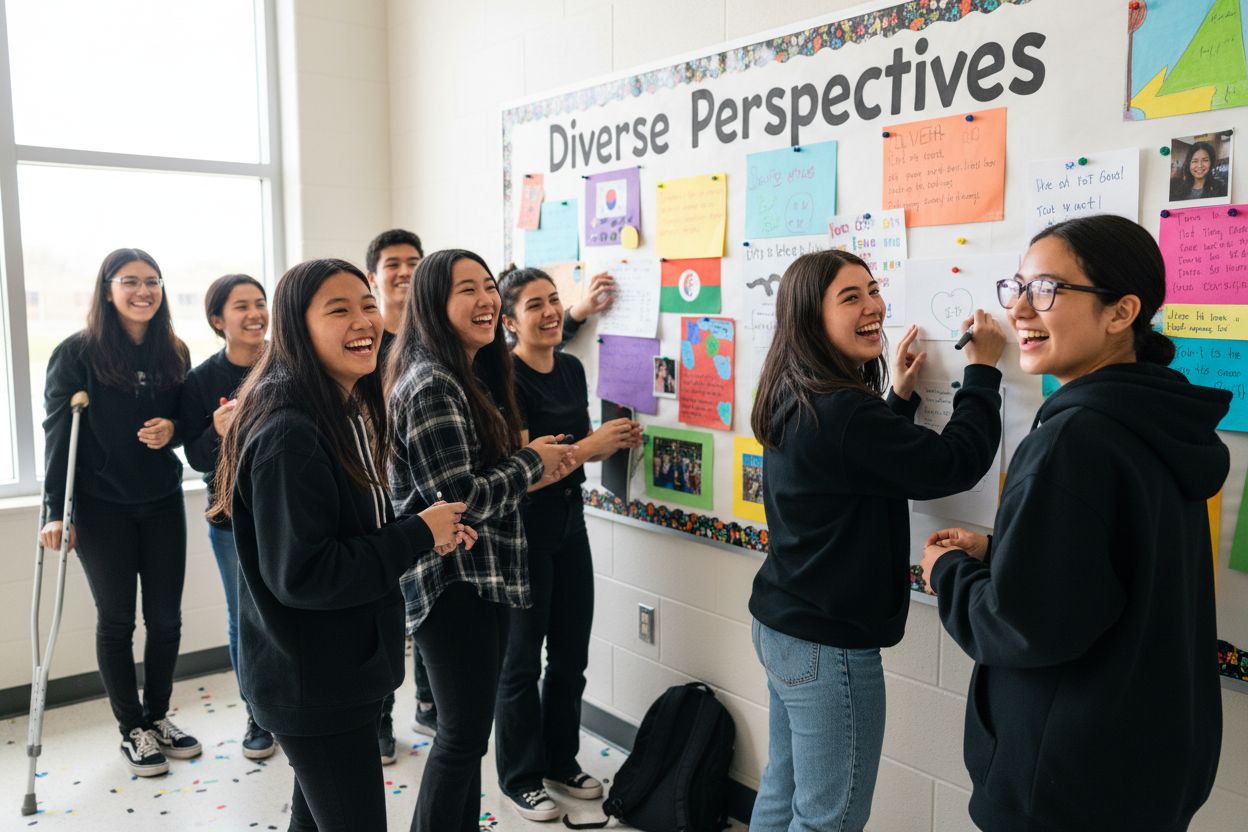
Diverse perspectives in education represent a powerful approach to learning that goes far beyond traditional academic paradigms. Books That Celebrate Diversity can serve as excellent tools for educators seeking to introduce multiple viewpoints in classroom settings.
Expanding Cognitive Horizons
When students are exposed to varied perspectives, their cognitive capabilities dramatically expand. According to research from Stanford Graduate School of Education, classrooms with diverse viewpoints demonstrate significant improvements in student engagement and intellectual development. Critical cognitive benefits include:
- Enhanced critical thinking skills
- Improved ability to analyze complex problems from multiple angles
- Increased capacity for innovative problem solving
- Development of more nuanced understanding of complex social issues
These cognitive advantages emerge from the fundamental process of challenging existing mental frameworks and learning to synthesize different types of information and experiences.
Social and Emotional Intelligence Development
Diverse perspectives cultivate profound social and emotional intelligence among students. By interacting with peers from different backgrounds, students develop essential interpersonal skills that extend far beyond academic learning. Students learn to:
- Recognize and respect individual differences
- Communicate effectively across cultural boundaries
- Navigate complex social interactions with empathy
- Build genuine connections despite initial differences
These skills become increasingly crucial in a globalized world where cross-cultural communication and understanding are essential professional and personal competencies.
Ultimately, embracing diverse perspectives transforms education from a passive information transfer into an active, dynamic process of mutual learning. Students become not just recipients of knowledge, but active contributors to a rich, collaborative learning ecosystem that prepares them for the complexities of our interconnected global society.
Real-World Implications of Embracing Diversity
Embracing diversity extends far beyond classroom walls, fundamentally reshaping societal structures and professional landscapes. 8 Secrets to teaching students of culturally diverse backgrounds can provide educators with practical strategies for implementing meaningful diversity initiatives.
Professional and Economic Impact
Workplaces that prioritize diversity consistently demonstrate superior performance and innovation. According to research from McKinsey & Company, companies with diverse leadership are more likely to outperform their less diverse counterparts. Key professional advantages of diversity include:
- Enhanced creativity and problem-solving capabilities
- Improved financial performance
- Better decision-making processes
- Increased employee engagement and retention
- More comprehensive market understanding
These advantages stem from the ability to leverage varied perspectives, experiences, and cognitive approaches that diverse teams naturally bring to complex challenges.
Social Transformation and Equity
Diversity represents a powerful mechanism for addressing systemic inequalities and promoting social mobility. By creating environments that genuinely value and integrate different backgrounds, societies can break down historical barriers and create more equitable opportunities. Students exposed to diverse perspectives learn to:
- Challenge existing social hierarchies
- Recognize and dismantle unconscious biases
- Develop more inclusive leadership approaches
- Create more representative decision-making structures
Ultimately, embracing diversity is not just a moral imperative but a strategic approach to building more resilient, innovative, and just social and professional ecosystems. As our global landscape becomes increasingly interconnected, the ability to understand, respect, and effectively collaborate across diverse backgrounds becomes a critical competency for individual and collective success.
See the Impact of Promoting Diversity in Your School Community
Understanding why diversity matters in schools is just the beginning. Many educators know that creating an inclusive environment requires more than good intentions. The true challenge lies in transforming important ideas—like inclusive learning, cultural respect, and real-world empathy—into tangible experiences that inspire and unite students. If you are looking for a proven way to spark these values and bring them to life in your building, visit the School Assembly Performers Archives for actionable options that match your goals.

Imagine your students exploring new perspectives and developing social awareness through live shows filled with laughter and energy. AssemblyShows.com delivers curriculum-aligned programs that make diversity and inclusion memorable. With celebrated performer Doug Scheer leading each presentation, your school receives entertainment built on proven educational value. Do not let another year pass without showing your commitment to diversity. Explore our reviews from satisfied schools and schedule your assembly now to create lasting impact.
Frequently Asked Questions
What is the importance of diversity in education?
Diversity in education is crucial because it creates inclusive learning environments that support the unique backgrounds and experiences of all students. It helps students develop critical life skills such as empathy, cultural competence, and adaptability, preparing them for a complex, interconnected world.
How does diversity enhance student development?
Diverse educational environments promote cognitive and emotional growth by stimulating critical thinking and interpersonal communication skills. Students exposed to different perspectives learn to recognize biases, communicate effectively across cultural boundaries, and better navigate complex social situations.
What are some practical strategies for fostering diversity in schools?
To foster diversity, educators should develop inclusive curricula that reflect diverse experiences, implement teaching methods that accommodate various learning styles, and create a classroom culture of respect and curiosity that values all contributions.
How does diversity in education benefit society as a whole?
Embracing diversity in education leads to societal transformation by addressing systemic inequalities, promoting social mobility, and fostering more inclusive leadership approaches. It equips students to challenge social hierarchies and develop a more equitable understanding of their roles in a multicultural society.
Recommended
- Books That Celebrate Diversity – Scheer Genius Assembly Shows
- Understanding Diversity and Inclusion Assemblies in Schools – Scheer Genius Assembly Shows
- 8 Secrets to teaching students of culturally diverse backgrounds – Scheer Genius Assembly Shows
- Understanding Diversity Sets Children Up for Social Success – Scheer Genius Assembly Shows
- Understanding Creating Safe Learning Environments – Mats4U
- Understanding Diversity in Marketing for Business Growth