
Elementary assemblies bring hundreds of young students together under one roof, but they are not just about announcements or applause. In fact, researchers have found that students who feel a strong sense of belonging at school show higher academic motivation and better emotional health than those who do not. That sense of community is often built not in classrooms, but in those lively, shared moments you might have overlooked.
Table of Contents
- What Are Elementary Assemblies And Their Purpose?
- The Importance Of Community And Belonging
- How Assemblies Foster Student Engagement And Participation
- Connecting Lessons To Real-World Values
- The Role Of Assemblies In School Culture And Identity
Quick Summary
| Takeaway | Explanation |
|---|---|
| Elementary assemblies enhance community and belonging. | These gatherings foster strong connections among students, promoting emotional well-being and engagement within the school environment. |
| Assemblies serve as dynamic learning experiences. | By incorporating interactive elements, assemblies shift from passive to active learning, enhancing student participation and motivation. |
| Connect lessons to real-world values. | Assemblies help students see the relevance of academic content in real-life contexts, fostering critical thinking and social awareness. |
| Celebrate achievements to build school culture. | Recognizing student and staff accomplishments in assemblies reinforces shared values and strengthens community identity. |
| Foster psychological mechanisms for student engagement. | Assemblies create collective experiences that boost confidence, reduce anxiety, and encourage active involvement in learning. |
What Are Elementary Assemblies and Their Purpose?
Elementary assemblies are structured, school-wide gatherings that bring together students, teachers, and sometimes staff to share important information, celebrate achievements, promote learning, and build a sense of community. Unlike regular classroom instruction, these events create unique opportunities for collective learning and engagement beyond traditional academic settings.
Defining Elementary School Assemblies
An elementary assembly represents a collective experience where students gather in a central location like a gymnasium, auditorium, or multipurpose room. These events can range from 30 minutes to an hour and serve multiple educational and social purposes. According to National Center on Safe Supportive Learning Environments, these early learning experiences play a critical role in establishing foundational academic and social skills.
Key characteristics of elementary assemblies include:
- Whole school participation
- Focused on a specific theme or objective
- Led by school administrators, teachers, guest speakers, or performers
- Interactive and engaging presentation styles
Educational and Social Benefits
Elementary assemblies go far beyond simple gatherings. They represent strategic educational interventions designed to support comprehensive student development. These events can address multiple learning objectives simultaneously, including:
- Character education and social skill development
- Cultural awareness and diversity appreciation
- Safety education and awareness programs
- Recognition of student achievements
- Introduction of important school or community initiatives
By creating shared experiences, assemblies help students understand collective learning, develop listening skills, and practice appropriate group behavior. King County’s educational programs demonstrate how interactive assembly formats can effectively communicate complex topics like environmental awareness to young learners.
These school-wide gatherings serve as powerful platforms for building school community, reinforcing shared values, and creating memorable educational moments that extend beyond traditional classroom instruction.
To clarify the core benefits and functions of elementary assemblies discussed in the article, the table below summarizes their main features and impacts on school communities.
| Feature or Benefit | Description |
|---|---|
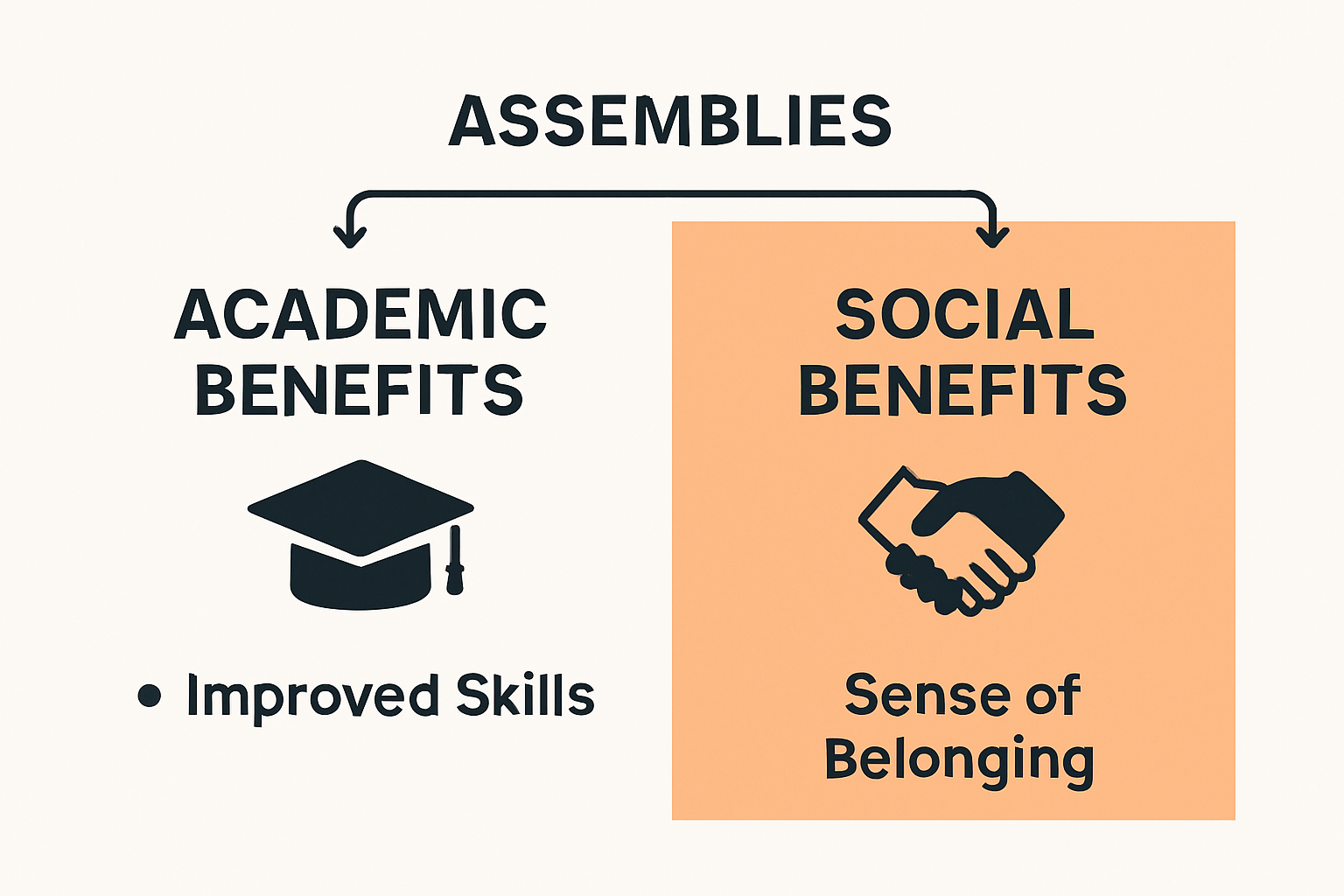
| Community Building | Fosters strong relationships, shared values, and collective identity among students, teachers, and staff. |
| Academic Motivation | Increases students’ motivation to learn by creating a sense of belonging and connectedness. |
| Emotional Well-being | Supports emotional security, reduces anxiety, and increases student confidence through shared experiences. |
| Interactive Learning | Turns passive information into dynamic activities with participation and engagement opportunities. |
| Real-World Relevance | Connects classroom lessons to practical, real-world scenarios and societal issues. |
| Recognition & Celebration | Highlights achievements, milestones, and positive behaviors, reinforcing a culture of success. |
The Importance of Community and Belonging
Community and belonging represent fundamental psychological needs that profoundly impact students’ emotional, social, and academic development. Within elementary school settings, creating environments where students feel connected, valued, and supported becomes crucial for their overall growth and well-being.
Understanding School Community Dynamics
A school community extends far beyond physical boundaries, encompassing relationships, shared experiences, and mutual understanding among students, teachers, staff, and families. The National Center on Safe Supportive Learning Environments emphasizes that strong community connections can significantly enhance students’ educational experiences and outcomes.
Key elements of a robust school community include:
- Mutual respect and inclusivity
- Collaborative learning opportunities
- Shared values and goals
- Supportive interpersonal relationships
- Open communication channels
Psychological Impact of Belonging
Feeling connected to a school community triggers powerful psychological mechanisms that support student development. When students experience genuine belonging, they demonstrate increased motivation, improved academic performance, and enhanced emotional resilience.
Belonging influences students in multiple dimensions:
The table below summarizes the psychological and educational impacts of a strong sense of belonging, as explored in the article.
| Impact Area | Positive Effects on Students |
|---|---|
| Emotional Security | Increased confidence, feeling safe and accepted |
| Anxiety/Stress | Reduced anxiety and stress levels |
| Participation | Higher willingness to engage and take academic risks |
| Motivation | Enhanced intrinsic motivation and academic effort |
| Social Skills | Improved relationship-building and group collaboration abilities |
| Academic Outcomes | Better performance and engagement in learning |
Emotional security and confidence
Reduced anxiety and stress levels
Increased willingness to participate and take academic risks
Stronger intrinsic motivation for learning
Elementary assemblies play a critical role in cultivating this sense of community by creating shared experiences that unite students across different classrooms and grade levels. These gatherings provide platforms for collective celebration, learning, and mutual understanding, reinforcing the interconnected nature of school life.
By prioritizing community and belonging, schools can transform educational environments into nurturing spaces where students feel safe, respected, and empowered to explore, learn, and grow together.
How Assemblies Foster Student Engagement and Participation
Student engagement represents a multifaceted concept that goes beyond mere physical presence in school.
It encompasses emotional connection, active participation, and intellectual investment in the learning process. Elementary assemblies serve as powerful catalysts for transforming passive learning environments into dynamic, interactive experiences that capture students’ attention and motivation.
Creating Interactive Learning Environments
The National Center on Safe Supportive Learning Environments emphasizes the importance of designing educational experiences that actively involve students. Elementary assemblies achieve this by breaking traditional classroom boundaries and offering unique opportunities for collective learning and participation.
Key strategies for fostering engagement through assemblies include:
- Incorporating interactive elements
- Encouraging student contributions
- Using multimedia and dynamic presentation techniques
- Providing opportunities for personal reflection
- Connecting content to students’ real-world experiences
Psychological Mechanisms of Student Participation
Assemblies trigger multiple psychological mechanisms that enhance student engagement. By creating shared experiences and collective moments, these gatherings tap into students’ natural desire for connection, recognition, and meaningful interaction.
Engagement strategies manifest through:
- Reducing performance anxiety
- Building collective confidence
- Normalizing public speaking and presentation skills
- Developing active listening capabilities
- Promoting peer learning and observation
These structured experiences help students develop essential social and cognitive skills that extend far beyond the assembly itself. By designing assemblies that are participatory, inclusive, and stimulating, schools can transform traditional educational gatherings into powerful platforms for holistic student development.
Ultimately, effective assemblies are not about passive information transmission but about creating dynamic learning ecosystems where every student feels valued, heard, and inspired to actively participate in their educational journey.
Connecting Lessons to Real-World Values
Elementary assemblies represent powerful platforms for bridging academic knowledge with meaningful real-world applications. By transforming abstract concepts into tangible experiences, these gatherings help students understand how classroom learning connects directly to their broader life experiences and societal contexts.
Contextualizing Educational Content
The National Center on Safe Supportive Learning Environments emphasizes the critical role of community connections in educational settings. Assemblies serve as unique opportunities to demonstrate how academic learning translates into practical understanding, helping students see beyond textbook boundaries.
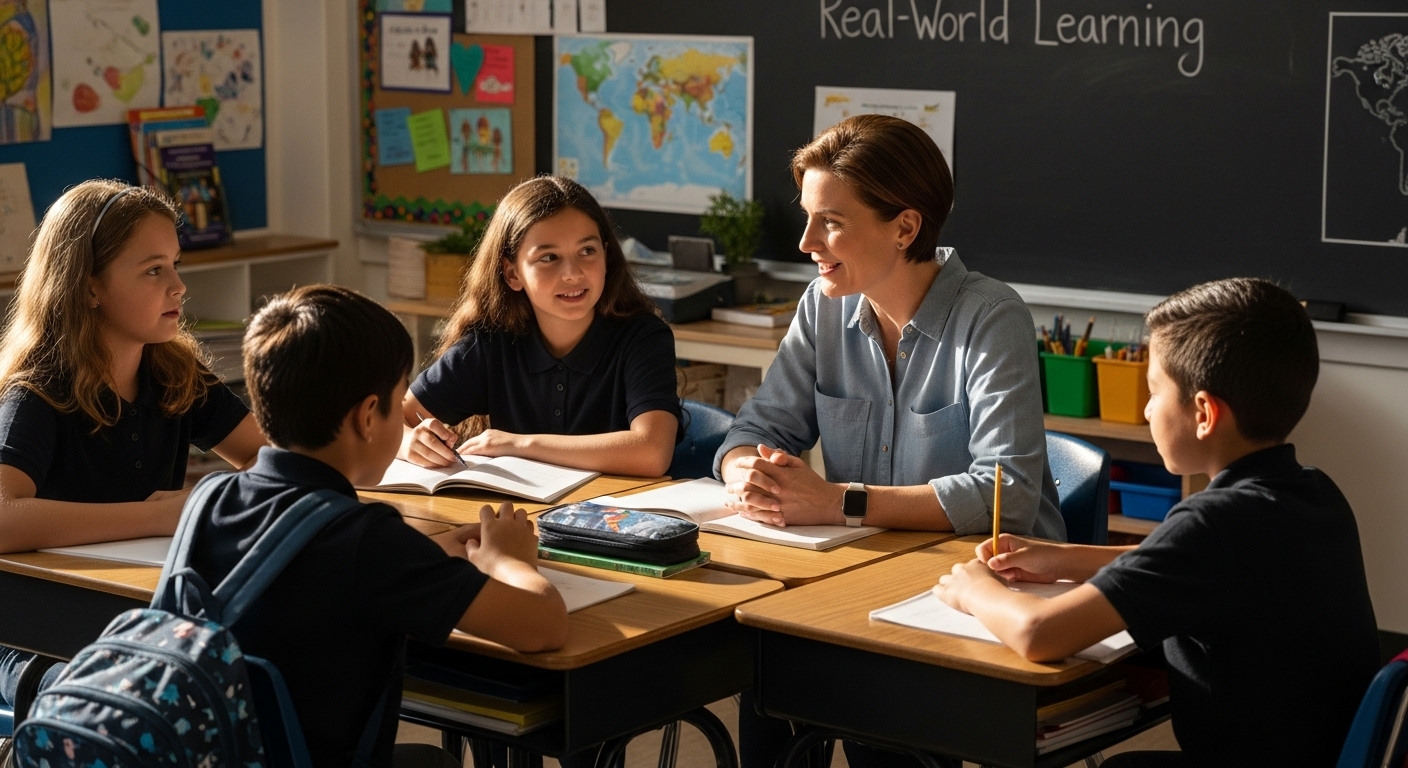
Strategies for connecting lessons to real-world values include:
- Presenting authentic scenarios and case studies
- Inviting community professionals as guest speakers
- Showcasing student-driven community projects
- Highlighting local and global social challenges
- Demonstrating practical applications of academic skills
Developing Critical Thinking and Social Awareness
Real-world value integration goes beyond simple knowledge transfer. It involves nurturing critical thinking skills and helping students develop a nuanced understanding of complex social dynamics. Elementary assemblies can create immersive experiences that encourage students to:
- Question existing assumptions
- Understand diverse perspectives
- Recognize interconnectedness of global systems
- Develop empathy and social responsibility
- Apply academic learning to meaningful contexts
By deliberately designing assemblies that connect academic content with broader societal contexts, schools can transform educational experiences from passive learning to active engagement. These gatherings become more than information sessions they become transformative platforms that inspire students to see themselves as active participants in their communities and the wider world.
Ultimately, connecting lessons to real-world values prepares students not just academically, but as compassionate, critically thinking citizens ready to contribute meaningfully to society.
The Role of Assemblies in School Culture and Identity
School culture represents the invisible fabric that binds students, teachers, and staff into a cohesive community. Elementary assemblies function as critical threads in weaving this intricate social tapestry, playing a profound role in shaping collective identity, shared values, and institutional memory.
Constructing Shared Institutional Narratives
A curriculum unit from the Yale-New Haven Teachers Institute emphasizes how collective activities contribute to developing a cohesive community identity. Elementary assemblies serve as powerful ritual moments where students experience collective belonging beyond individual classroom boundaries.
Key elements of identity construction through assemblies include:
- Creating memorable shared experiences
- Reinforcing institutional values
- Establishing predictable cultural rhythms
- Celebrating collective achievements
- Transmitting institutional knowledge
Symbolic Rituals and Cultural Transmission
Assemblies operate as sophisticated cultural mechanisms for transmitting complex social information. They transform abstract institutional concepts into tangible, emotionally resonant experiences that students can understand and internalize.
Cultural transmission strategies manifest through:
- Recognizing student and staff achievements
- Introducing school traditions
- Communicating behavioral expectations
- Modeling respectful interactions
- Demonstrating community values
These gatherings become more than simple informational events they are strategic cultural interventions that help students understand their place within a larger social ecosystem. By carefully designing assemblies that reflect the school’s core values, administrators create powerful opportunities for students to develop a strong, positive institutional identity.
Ultimately, elementary assemblies represent dynamic platforms where institutional culture comes alive, transforming abstract concepts of community into vivid, shared experiences that resonate deeply with young learners.
Bring Your School Community to Life With Interactive Assemblies
Building a truly connected school community is not always easy. As described in the article, fostering a sense of belonging and engagement among students requires more than information handouts or reminders. When your assemblies feel routine or uninspired, it can be tough to inspire genuine participation and develop the rich school culture you want. Young learners benefit immensely from interactive experiences that blend learning with fun, reinforce values, and leave lasting memories. These are the moments that draw your community together and help every student feel part of something bigger.
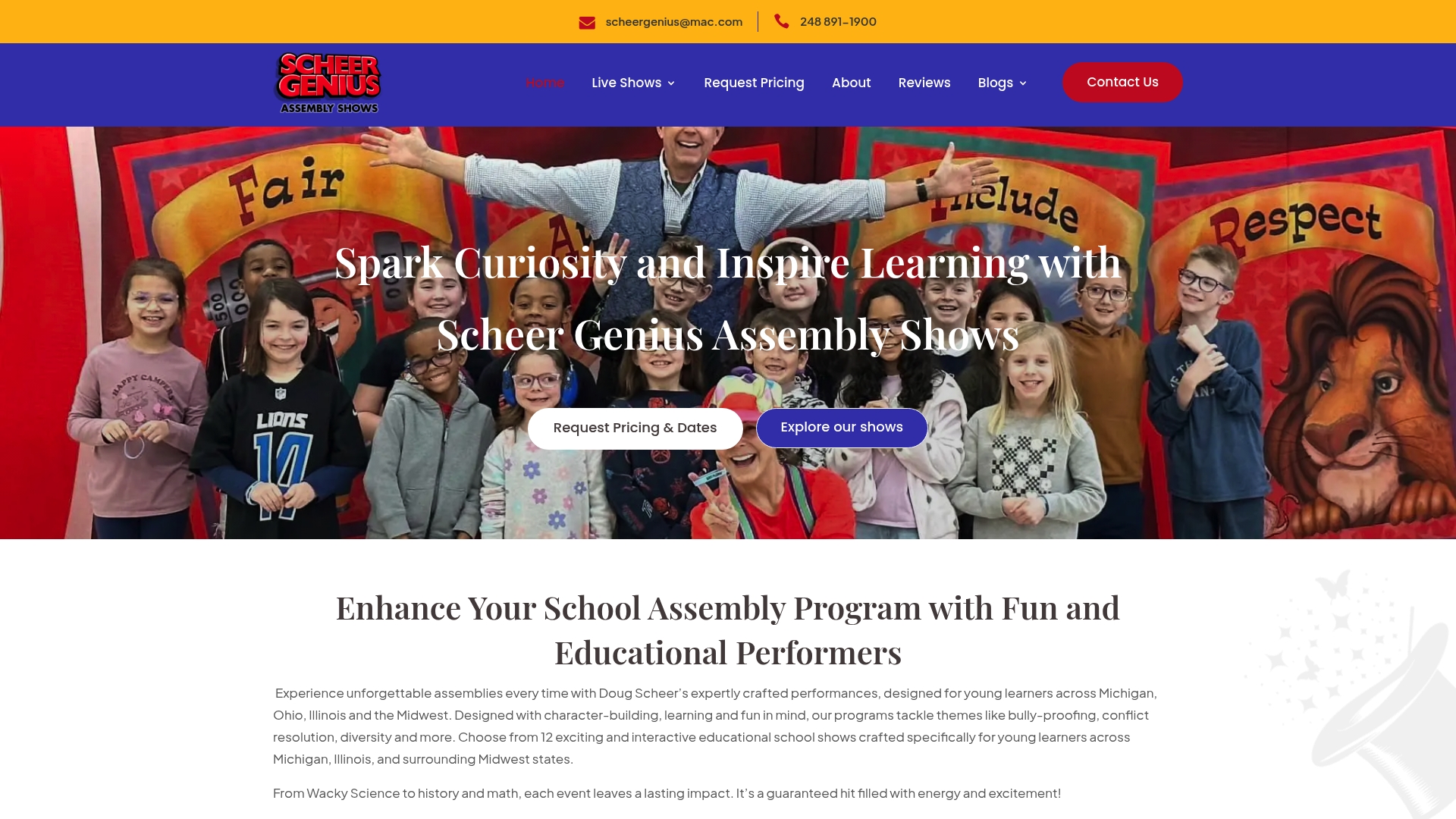
If you want your next assembly to spark excitement and deliver real results, discover what AssemblyShows.com can do for your school. Choose from a lineup of 12 curriculum-aligned programs led by one of the nation’s top educational performers and bring home the benefits outlined in the article—from stronger engagement to a true sense of community. Now is the time to make your next gathering unforgettable. Visit AssemblyShows.com to secure your date and give your students the shared experience they deserve.
Frequently Asked Questions
What are elementary assemblies?
Elementary assemblies are school-wide gatherings where students, teachers, and sometimes staff come together to share important information, celebrate achievements, promote learning, and build a sense of community.
Why are elementary assemblies important for schools?
Elementary assemblies play a critical role in establishing foundational academic and social skills, promoting character education, and enhancing community connections among students, teachers, and families.
How do assemblies promote student engagement?
Assemblies create dynamic, interactive experiences that encourage emotional connection and participation among students, helping them develop essential social and cognitive skills.
What are some benefits of participating in elementary school assemblies?
Participating in assemblies fosters a sense of belonging, cultivates mutual respect, enhances emotional security, and helps students connect classroom learning to real-world values.