
Enrichment programs are changing the way students learn by offering far more than the basics found in standard classrooms. Most people expect extra lessons or more homework, but many enrichment programs push way beyond that. Some even spark a 30 percent increase in student engagement and critical thinking skills compared to regular coursework. This shift is not about piling on more tasks, it is about unlocking new interests and talents students might never discover otherwise.
Table of Contents
- Defining Enrichment Programs: A Comprehensive Overview
- The Importance Of Enrichment Programs In Education
- Types Of Enrichment Programs And Their Benefits
- How Enrichment Programs Foster Student Engagement And Growth
- Key Considerations For Implementing Enrichment Programs
Quick Summary
| Takeaway | Explanation |
|---|---|
| Enrichment programs extend curriculum beyond academics | These programs enhance learning by stimulating intellectual curiosity and personal growth beyond standard classroom activities. |
| Effective programs are tailored to individual needs | Successful enrichment initiatives focus on personalized learning, ensuring they engage students according to their strengths and interests. |
| Programs should promote holistic student development | Enrichment initiatives support the overall growth of students, fostering critical thinking, creativity, and collaboration skills essential for modern challenges. |
| Accessibility is crucial for maximized impact | Schools must design enrichment programs that are inclusive and equitable, removing barriers to participation for all students. |
| Ongoing evaluation ensures program effectiveness | Continuous assessment and feedback help institutions adapt enrichment programs to meet changing student needs and improve engagement outcomes. |
Defining Enrichment Programs: A Comprehensive Overview
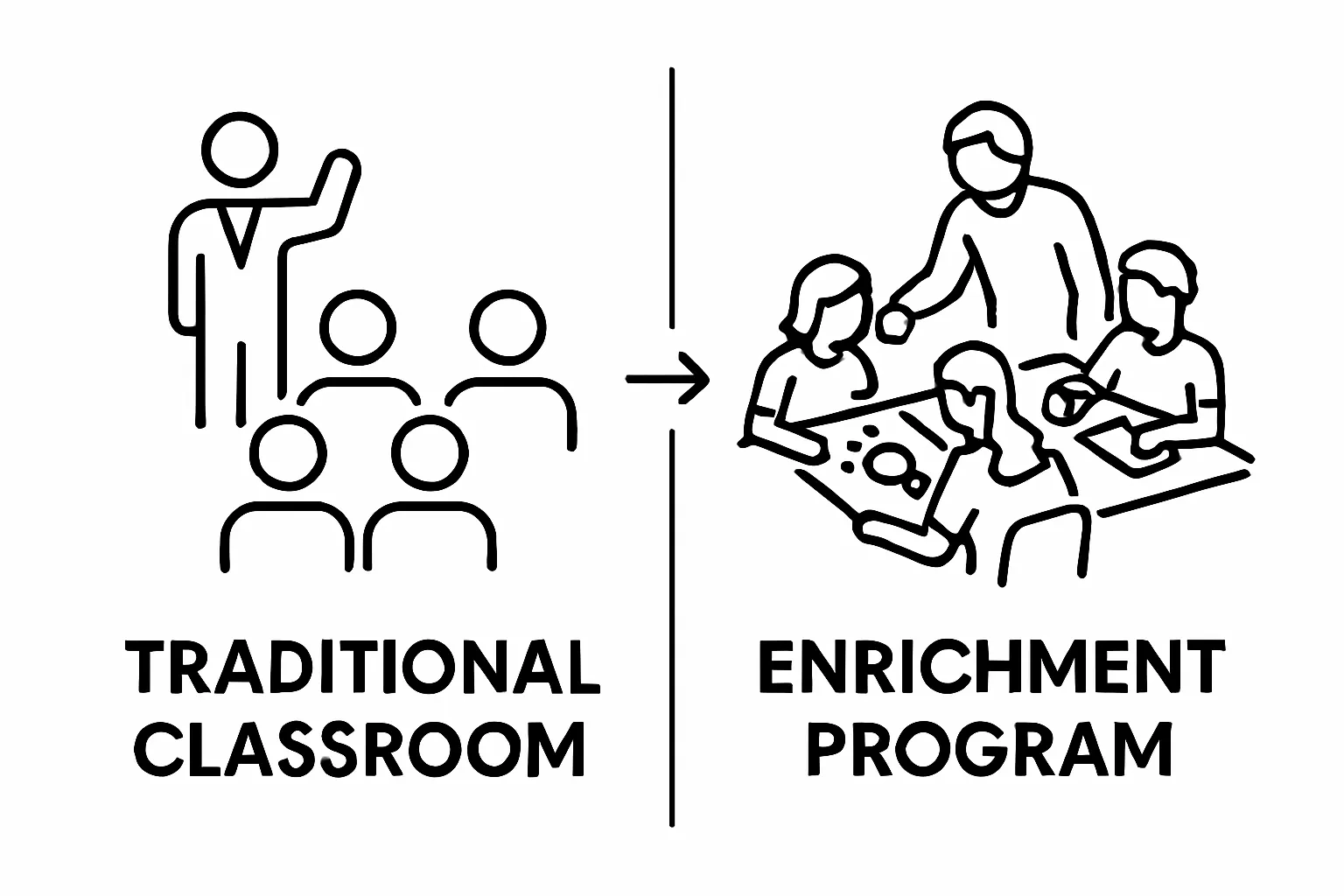
Enrichment programs represent strategic educational initiatives designed to extend and enhance students’ learning experiences beyond standard curriculum requirements. These specialized programs aim to provide additional intellectual stimulation, skill development, and personal growth opportunities that complement traditional classroom instruction.
Core Purpose and Objectives
At their fundamental level, enrichment programs are structured to broaden students’ intellectual horizons and cultivate skills that might not be fully addressed within standard academic frameworks. Understanding curriculum enrichment reveals these programs go far beyond mere academic supplementation.
The primary objectives of enrichment programs typically include:
- Stimulating intellectual curiosity and critical thinking
- Developing specialized skills in specific domains
- Providing personalized learning experiences
- Encouraging exploration of individual interests
- Promoting holistic student development
Characteristics of Effective Enrichment Programs
Successful enrichment programs share several distinguishing characteristics that set them apart from traditional educational approaches. According to Stanford University’s Graduate School of Education, effective programs are typically:
- Personalized: Tailored to individual student strengths and interests
- Engaging: Interactive and hands-on learning experiences
- Challenging: Designed to push students beyond their current knowledge boundaries
- Voluntary: Often optional, allowing student-driven participation
These programs can manifest in numerous formats, including academic clubs, specialized workshops, extracurricular activities, research opportunities, and creative projects. The key is providing students with structured yet flexible environments that encourage exploration, creativity, and personal growth beyond standard classroom constraints.
This table outlines the core characteristics that define effective enrichment programs, helping readers quickly identify the features that distinguish them from traditional classroom experiences.
| Characteristic | Description |
|---|---|
| Personalized | Tailored to align with each student’s strengths and interests |
| Engaging | Offers interactive, hands-on learning environments |
| Challenging | Encourages students to move beyond current knowledge boundaries |
| Voluntary | Allows students to participate by choice, based on interest |
| Flexible Formats | Includes workshops, clubs, research, and creative projects |
The Importance of Enrichment Programs in Education
Enrichment programs play a pivotal role in transforming educational experiences, offering students opportunities that extend well beyond traditional classroom learning. These programs are not mere supplementary activities but critical components in developing well-rounded, adaptable learners prepared for complex future challenges.
Academic and Developmental Impact
The significance of enrichment programs becomes evident when examining their multifaceted contributions to student growth. Learn more about fun learning experiences to understand how engaging educational approaches can dramatically enhance student motivation and knowledge retention.
Research from the National Association for Gifted Children highlights several crucial developmental benefits:
- Accelerating intellectual potential
- Developing advanced problem solving skills
- Nurturing intrinsic motivation for learning
- Building confidence through specialized skill development
- Creating pathways for deeper academic exploration
Long Term Educational and Professional Advantages
Beyond immediate academic benefits, enrichment programs cultivate essential skills that translate directly into future professional success. These programs help students develop critical competencies such as:
- Creative thinking
- Collaborative skills
- Independent research capabilities
- Adaptive learning strategies
Moreover, exposure to diverse learning experiences through enrichment programs helps students discover potential career interests and develop specialized talents that might otherwise remain unexplored. By providing structured yet flexible learning environments, these programs empower students to take ownership of their educational journey, fostering a proactive approach to personal and intellectual growth.
Types of Enrichment Programs and Their Benefits
Enrichment programs encompass a diverse range of educational experiences designed to stimulate student learning and personal development across multiple domains. These programs are carefully crafted to address different learning styles, interests, and potential career pathways for students.
The following table summarizes the main types of school enrichment programs described in the article and highlights their core benefits for students.
| Enrichment Program Type | Description | Key Student Benefits |
|---|---|---|
| Academic and Intellectual Enrichment | Focuses on expanding learning beyond standard curriculum | Enhances problem solving, critical thinking, and research skills |
| Creative and Performing Arts Enrichment | Develops artistic and expressive abilities | Fosters creativity, collaboration, and self confidence |
| Extracurricular Clubs and Activities | Provides structured activities outside core subjects | Builds leadership, teamwork, and communication skills |
| Specialized Workshops and Mentorship | Offers expertise in specific domains or topics | Supports advanced skill development and personalized interests |
| Interdisciplinary Learning Projects | Integrates multiple subject areas into holistic learning | Encourages innovation and adaptive learning strategies |
Academic and Intellectual Enrichment Programs
Academic enrichment programs focus on expanding intellectual boundaries beyond standard curriculum. Explore student engagement strategies to understand how these programs create dynamic learning environments. According to University of Pennsylvania research, these programs typically include:
- Academic competitions and olympiads
- Advanced research opportunities
- Specialized subject workshops
- Interdisciplinary learning projects
- Mentorship programs with experts
Creative and Performing Arts Enrichment
Creative enrichment programs provide students opportunities to explore artistic talents and develop expressive capabilities. These programs are crucial for holistic student development, offering platforms for:
- Musical instrument training
- Theater and dramatic arts
- Visual arts workshops
- Dance and performance training
- Creative writing seminars
These programs not only nurture artistic skills but also enhance cognitive flexibility, emotional intelligence, and self confidence. By encouraging creative expression, students learn valuable skills like collaboration, communication, and innovative thinking that are essential in personal and professional contexts.
How Enrichment Programs Foster Student Engagement and Growth
Enrichment programs serve as transformative educational tools that actively stimulate student engagement by creating dynamic, interactive learning environments that transcend traditional classroom boundaries. These programs are strategically designed to spark intrinsic motivation and cultivate a genuine passion for learning.
Psychological and Motivational Dynamics
Explore educational assembly insights to understand how structured educational experiences can dramatically enhance student participation. According to University of Chicago research, enrichment programs dramatically impact student motivation through:
- Providing autonomy in learning choices
- Creating personalized learning pathways
- Offering meaningful challenges
- Supporting intrinsic curiosity
- Developing self directed learning skills
Holistic Skill Development Mechanisms
Enrichment programs go beyond traditional academic metrics by fostering comprehensive skill development. These programs help students build essential 21st-century competencies such as:
- Critical thinking
- Collaborative problem solving
- Communication skills
- Creativity and innovation
- Emotional intelligence
By offering diverse, engaging learning experiences, enrichment programs empower students to explore their potential, discover hidden talents, and develop a proactive approach to personal and intellectual growth. The key lies in creating supportive, stimulating environments that encourage exploration, risk taking, and continuous learning beyond standardized educational frameworks.
Key Considerations for Implementing Enrichment Programs
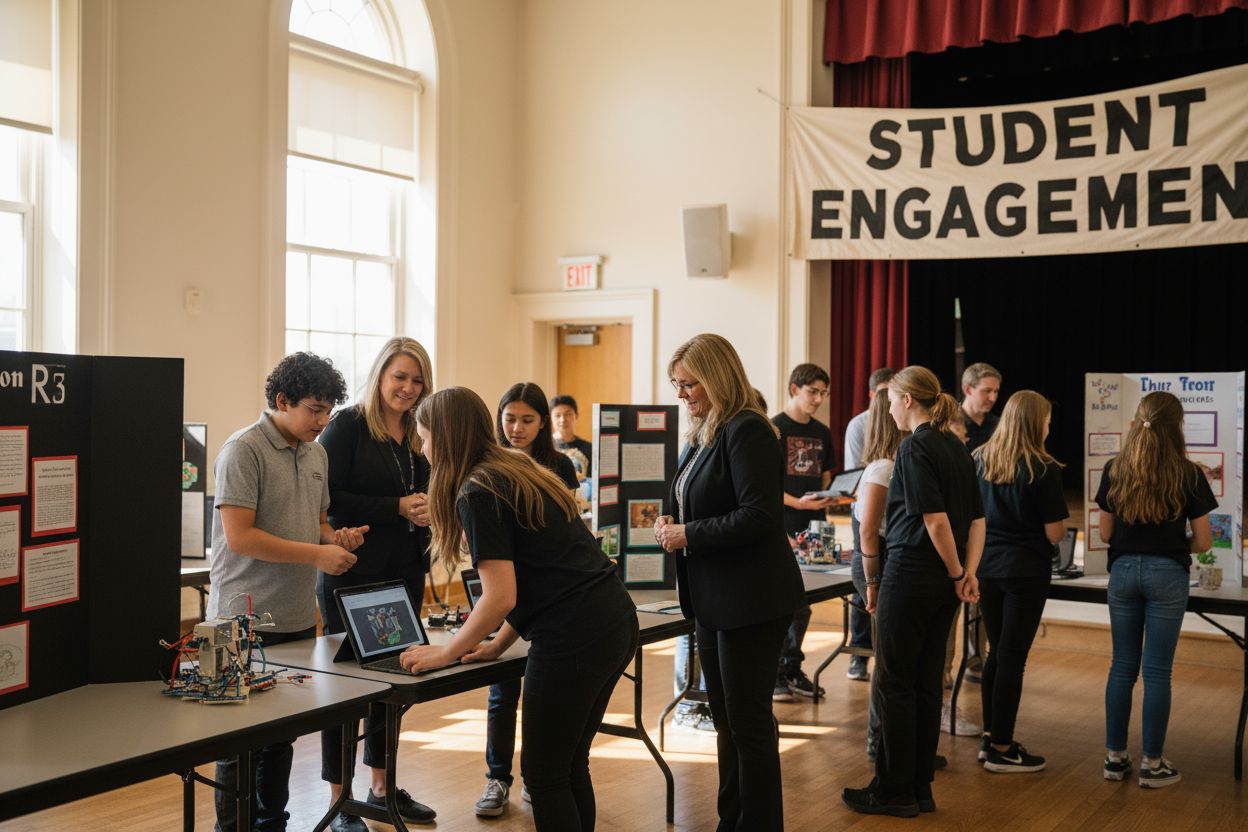
Successful implementation of enrichment programs requires strategic planning, comprehensive resources, and a nuanced understanding of student needs and institutional capabilities. Schools must approach these initiatives with careful consideration to maximize their educational impact and ensure meaningful student engagement.
Strategic Planning and Resource Allocation
Understand student engagement strategies to develop robust enrichment program frameworks. According to National Research Center on Gifted and Talented, effective implementation demands:
- Clear identification of program objectives
- Comprehensive needs assessment
- Alignment with existing curriculum
- Sustainable funding mechanisms
- Ongoing evaluation processes
Equity and Accessibility Considerations
Enrichment programs must prioritize inclusivity and equitable access to ensure all students can benefit from these educational opportunities. Critical factors include:
- Removing financial barriers
- Providing diverse program options
- Ensuring cultural responsiveness
- Accommodating different learning styles
- Creating flexible participation models
Successful enrichment programs transcend traditional educational boundaries by creating adaptive, responsive learning environments that recognize and nurture individual student potential. By maintaining a flexible, student centered approach, schools can develop transformative programs that genuinely support holistic student development and lifelong learning skills.
Bring the Power of Enrichment Programs Directly to Your School
Is your school searching for ways to spark student curiosity and go beyond standard classroom instruction? The article shows how enrichment programs can drive critical thinking, engagement, and holistic growth. Many educators know that simply following the curriculum is not enough. Students today need interactive experiences that excite them and foster a love for learning. This is where the right enrichment solution makes all the difference. Explore our Assemblies to see how dynamic programs can transform student involvement.
Now is the perfect time to bring unforgettable learning to your school. AssemblyShows.com offers curriculum-friendly assemblies that combine high-energy entertainment with meaningful educational content. Each assembly is crafted to engage students and inspire participation beyond regular lessons. See what other schools think in our Reviews and discover how easy it is to schedule an assembly that fits your enrichment program goals. Your students deserve a memorable, motivating experience—connect with us today to create your next standout enrichment event.
Frequently Asked Questions
What are enrichment programs in schools?
Enrichment programs in schools are educational initiatives designed to extend and enhance students’ learning experiences beyond the standard curriculum. They provide additional intellectual stimulation, skill development, and personal growth opportunities.
What are the main objectives of enrichment programs?
The primary objectives of enrichment programs include stimulating intellectual curiosity, developing specialized skills, providing personalized learning experiences, encouraging exploration of individual interests, and promoting holistic student development.
How do enrichment programs benefit students academically?
Enrichment programs benefit students academically by accelerating intellectual potential, developing advanced problem-solving skills, nurturing intrinsic motivation for learning, building confidence through specialized skill development, and creating pathways for deeper academic exploration.
What types of activities are typically included in enrichment programs?
Enrichment programs can include a variety of activities such as academic competitions, advanced research opportunities, creative arts workshops, mentorship with experts, and interdisciplinary learning projects. These activities are designed to engage students in meaningful and challenging ways.
Recommended
- Understanding What is Curriculum Enrichment – Scheer Genius Assembly Shows
- Understanding Student Engagement Checklists for Schools – Scheer Genius Assembly Shows
- Understanding the Importance of Fun in Learning – Scheer Genius Assembly Shows
- Enrichment Assembly Shows: An AI Poem – Scheer Genius Assembly Shows