
Student engagement shapes how much students care about and participate in their education. Statistics from Stanford show that students with high engagement levels can see up to 30 percent higher academic achievement compared to their disengaged peers. Most people think it comes down to just grades or attendance. That misses the bigger picture—real engagement sparks curiosity, builds problem-solving skills, and turns classrooms into places students actually want to be.
Table of Contents
- What Is Student Engagement And Why It Matters
- The Role Of Technology In Improving Engagement
- Understanding Diverse Learning Styles And Needs
- Key Strategies For Fostering Engagement In Classrooms
- Measuring And Assessing Student Engagement Effectively
Quick Summary
| Takeaway | Explanation |
|---|---|
| Student engagement is multifaceted. | It includes emotional, behavioral, and cognitive dimensions that impact learning outcomes. |
| Active participation boosts academic success. | Students who engage actively demonstrate higher achievement, increased motivation, and better critical thinking skills. |
| Technology enhances engagement strategies. | Tools like AI and interactive platforms create personalized learning experiences that keep students motivated. |
| Recognize diverse learning styles. | Addressing varied learning preferences helps educators design inclusive strategies that meet individual student needs. |
| Measure engagement comprehensively. | Use mixed methods for assessment that include behavioral, emotional, and academic indicators to better understand student involvement. |
What is Student Engagement and Why It Matters
Student engagement represents the emotional, behavioral, and cognitive investment students make in their learning process. More than simply attending classes, it encompasses a student’s active participation, motivation, and connection with educational experiences.
The following table summarizes the three primary dimensions of student engagement, outlining their definitions and the types of behaviors or experiences they encompass for a clearer understanding.
| Dimension | Definition | Indicators and Behaviors |
|---|---|---|
| Emotional Engagement | Feelings of connection, interest, and enthusiasm about learning | Excitement, sense of belonging, positive attitude |
| Behavioral Engagement | Active participation, effort, and persistence in academic tasks | Attendance, homework completion, participation |
| Cognitive Engagement | Deep thinking, strategy use, and self-regulated learning approaches | Critical thinking, independent problem solving |
Defining Student Engagement
Student engagement is not a single, static measurement but a dynamic interaction between students and their learning environment. According to research from Stanford University, it includes three primary dimensions:
- Emotional Engagement: The student’s feelings of connection, interest, and enthusiasm about learning
- Behavioral Engagement: Active participation, effort, and persistence in academic tasks
- Cognitive Engagement: Deep thinking, strategy application, and self-regulated learning approaches
The Critical Importance of Engagement
Engagement directly correlates with academic performance, personal development, and long-term educational success. Harvard Educational Review highlights that students who are actively engaged demonstrate:
- Higher academic achievement
- Increased motivation and self-confidence
- Better problem-solving and critical thinking skills
- Enhanced social and emotional learning capabilities
Moreover, student engagement prepares learners for future challenges by developing adaptability, intrinsic motivation, and a genuine love for learning. When students feel connected to their educational journey, they transform from passive recipients of information to active creators of knowledge.
The Role of Technology in Improving Engagement
Technology has emerged as a powerful catalyst in transforming student engagement strategies, offering innovative approaches that bridge traditional learning methods with digital experiences. Explore ways to boost student engagement through strategic technological integration that resonates with modern learners.
Digital Learning Platforms and Interactive Tools
Modern educational technology provides dynamic platforms that create immersive, personalized learning environments. According to MIT Technology Review, digital tools are revolutionizing student interaction by:
- Enabling real-time feedback mechanisms
- Providing adaptive learning experiences
- Supporting collaborative online environments
- Creating gamified educational content
Personalization Through Artificial Intelligence
Artificial intelligence represents a groundbreaking approach to customizing educational experiences. Stanford University’s Research Center reveals that AI-powered systems can:
- Analyze individual student learning patterns
- Recommend personalized learning pathways
- Identify potential knowledge gaps
- Provide targeted instructional interventions
By understanding each student’s unique learning style, technology transforms education from a one-size-fits-all model to a tailored, responsive ecosystem.
The integration of smart technologies ensures that students remain actively engaged, motivated, and challenged at their individual skill levels.
Understanding Diverse Learning Styles and Needs
Every student learns differently, making it crucial to recognize and accommodate varied learning approaches. Learn about teaching students from diverse backgrounds to create inclusive educational environments that support individual growth and potential.
The Spectrum of Learning Styles
Learning styles represent the unique ways students process, understand, and retain information.
The table below compares the primary learning styles discussed in the article, showing how each style processes information and the preferred instructional methods that support each type of learner.
| Learning Style | How Information Is Processed | Preferred Instructional Methods |
|---|---|---|
| Visual | Uses images, diagrams, and spatial layouts | Charts, diagrams, visual presentations |
| Auditory | Relies on listening and verbal information | Lectures, discussions, audio resources |
| Kinesthetic | Learns through movement and hands-on tasks | Experiments, role play, physical activities |
| Reading/Writing | Prefers words in written form | Reading assignments, note-taking, essays |
INFOGRAPHIC:infographic_content] According to [Harvard Graduate School of Education, these primary learning styles include:
- Visual Learners: Prefer graphical representations, diagrams, and visual cues
- Auditory Learners: Thrive through listening, verbal instructions, and discussions
- Kinesthetic Learners: Learn best through physical movement and hands-on experiences
- Reading/Writing Learners: Excel with text-based information and written materials
Cultural and Individual Differences in Learning
Beyond traditional learning styles, students bring complex cultural backgrounds and individual experiences that shape their educational engagement. UNESCO Research Report emphasizes that effective education must:
- Recognize diverse cultural perspectives
- Validate different knowledge systems
- Create flexible learning environments
- Provide multiple pathways to understanding
By acknowledging and embracing these differences, educators can design more responsive, inclusive learning experiences that empower students to reach their full potential. The goal is not just academic achievement, but nurturing each student’s unique intellectual and personal growth.
Key Strategies for Fostering Engagement in Classrooms
Creating dynamic classroom environments requires intentional strategies that spark student curiosity and participation. Explore curriculum enrichment techniques to transform traditional learning approaches and maximize student involvement.
Interactive and Participatory Learning
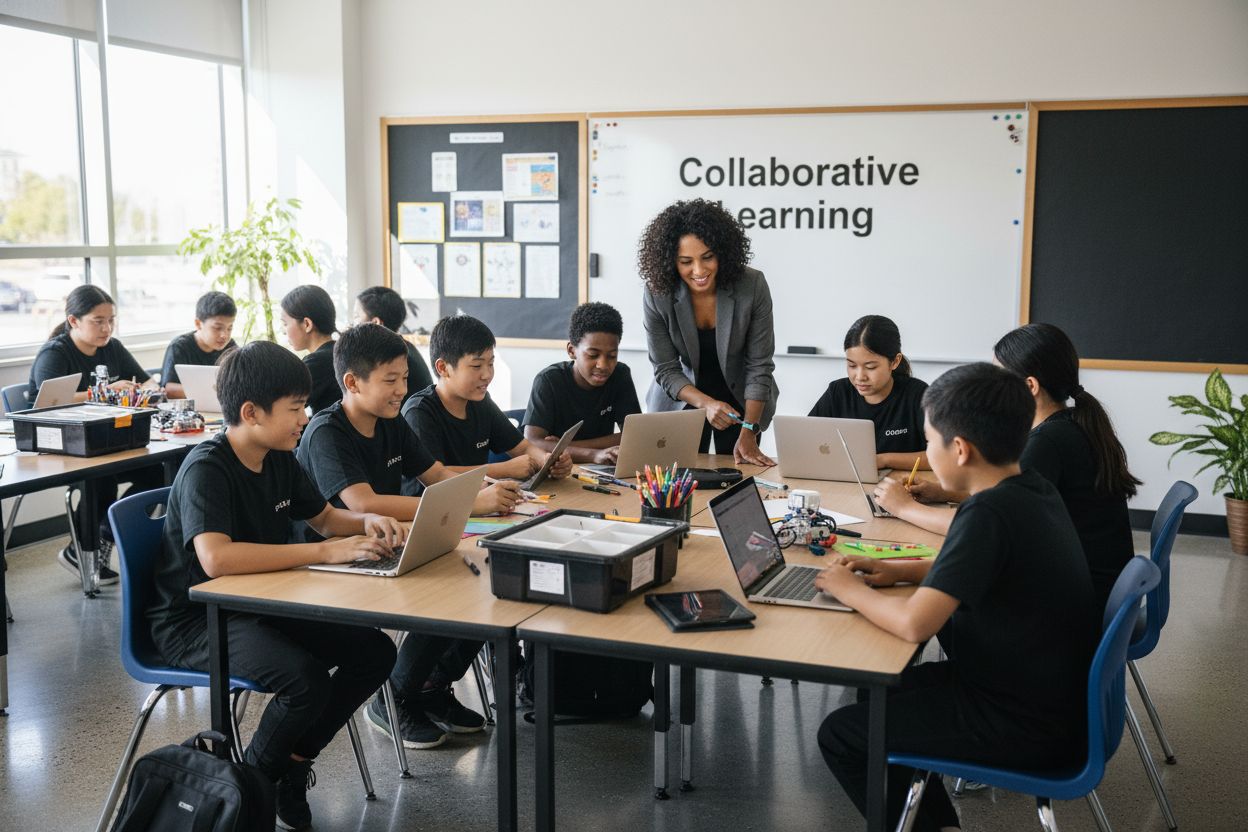
Engagement thrives when students become active participants rather than passive recipients. According to Stanford Educational Research, successful interactive learning approaches include:
- Collaborative group projects
- Problem-based learning scenarios
- Student-led discussions
- Peer teaching opportunities
- Real-world application assignments
Emotional Connection and Relevance
Students are more likely to engage when educational content feels personally meaningful and connected to their lived experiences. National Education Association Research suggests educators can foster engagement by:
- Connecting curriculum to student interests
- Sharing personal learning narratives
- Encouraging student-driven inquiry
- Creating space for personal reflection
- Validating diverse perspectives
By implementing these strategies, educators transform classrooms from traditional instruction spaces into dynamic learning communities where students feel valued, heard, and motivated to explore knowledge actively.
Measuring and Assessing Student Engagement Effectively
Measuring student engagement requires comprehensive, nuanced approaches that go beyond traditional assessment methods. Discover interactive assembly strategies that provide insights into student participation and learning dynamics.
Quantitative and Qualitative Assessment Methods
Effective engagement measurement combines multiple evaluation techniques. According to National Center for Education Statistics, comprehensive assessment should include:
- Behavioral Indicators: Attendance rates, assignment completion, classroom participation
- Emotional Metrics: Student surveys, self-reported motivation levels
- Academic Performance: Grade tracking, learning progression analysis
- Participation Frequency: Interaction quality and quantity in learning environments
Advanced Assessment Technologies
Modern technological tools are transforming engagement measurement. Harvard Educational Technology Review highlights emerging assessment strategies that provide deeper insights:
- Learning management system analytics
- AI-powered participation tracking
- Real-time student feedback mechanisms
- Adaptive assessment platforms
- Sentiment analysis of student interactions
By integrating diverse measurement approaches, educators can develop a holistic understanding of student engagement, identifying opportunities for targeted intervention and personalized learning support.
This table organizes the key strategies for measuring student engagement mentioned in the article, providing both the metric category and brief examples for practical application by educators.
| Assessment Method | Description | Example Metrics or Tools |
|---|---|---|
| Behavioral Indicators | Tracks visible actions and participation | Attendance, participation rates |
| Emotional Metrics | Gauges feelings and attitudes | Student surveys, motivation self-reports |
| Academic Performance | Measures achievements and progress | Grades, progression analysis |
| Participation Frequency | Counts involvement and contribution | Discussion frequency, online interactions |
| Technology-Based Tools | Uses digital platforms to analyze engagement | LMS analytics, AI participation tracking |
Ignite Real Student Engagement With Live and Virtual Assemblies
Understanding and improving student engagement in 2025 means moving beyond conventional methods. As this article has shown, students need more than worksheets and textbooks to truly connect with learning. If you are searching for a proven way to boost emotional, behavioral, and cognitive engagement—while making school memorable and fun—discover the power of expert-led educational assembly programs. Schools across the Midwest have seen incredible results with our unique blend of curriculum-driven entertainment and interactive participation. For examples and inspiration, explore the success stories in our Assemblies Archive.
Transform classroom energy and inspire genuine enthusiasm for learning. Take the next step today by choosing a live or virtual program designed for engagement at AssemblyShows.com. Uncover more options for accessible, high-impact events on our Virtual Shows page. Make engagement your school’s advantage this year.
Frequently Asked Questions
How can I improve student engagement in 2025?
To improve student engagement in 2025, focus on integrating technology into the learning process, such as interactive platforms and gamified content. Start by implementing at least one new digital tool that promotes active participation within the next semester.
What strategies can be used to measure student engagement effectively?
Utilize a mix of quantitative methods, like attendance tracking and assignment completion rates, along with qualitative methods such as student surveys. Begin measuring engagement metrics every month to assess improvement and adjust strategies as needed.
How does personalization impact student engagement in 2025?
Personalization significantly enhances student engagement by catering to individual learning styles and preferences. Implement personalized learning pathways for at least 30% of your students by utilizing assessments to identify their unique needs within the first half of the school year.
What role does emotional connection play in student engagement?
Emotional connection fosters deeper student investment in their learning experiences, leading to increased motivation. Encourage discussions that allow students to share personal experiences related to the curriculum within the first month of the course.
How can collaborative projects enhance student engagement in 2025?
Collaborative projects promote teamwork and active involvement, making learning more relevant and enjoyable. Organize at least two collaborative assignments each semester to encourage peer interaction and community building in your classroom.
What are some effective ways to connect curriculum to student interests?
Connecting curriculum to student interests involves integrating real-world applications and encouraging student-driven inquiries. Start by surveying your students about their interests and hobbies in the first week of class, then adjust lesson plans accordingly.
Recommended
- Understanding Student Engagement Checklists for Schools – Scheer Genius Assembly Shows
- 6 Ways to Boost Student Engagement for 2025 Success – Scheer Genius Assembly Shows
- Understanding What is Curriculum Enrichment – Scheer Genius Assembly Shows
- 7 Essential Interactive Assembly Tips for Schools – Scheer Genius Assembly Shows