
Schools are turning to diversity and inclusion assemblies to create a sense of belonging and respect among students. But even with colorful posters and well-meaning lectures everywhere, only interactive assemblies provide an experience that truly sparks understanding. Students in diverse classrooms actually show stronger critical thinking skills and emotional intelligence than those in homogenous settings. That means the real magic happens not in the speeches themselves, but in the moments when students step out of their everyday circles and see just how much they have in common.
Table of Contents
- What Are Diversity And Inclusion Assemblies?
- The Importance Of Diversity And Inclusion In Education
- How Diversity And Inclusion Assemblies Foster Community
- Key Concepts Of Effective Diversity And Inclusion Assemblies
- Real-World Applications And Examples Of Successful Assemblies
Quick Summary
| Takeaway | Explanation |
|---|---|
| Diversity assemblies foster empathy and understanding | These events create spaces for students to engage with diverse perspectives, which enhances mutual respect and reduces prejudice. |
| Interactivity enhances learning experiences | Using storytelling, performances, and discussions, assemblies make complex social issues accessible and relatable for students. |
| Inclusive education prepares students for the future | Exposure to diverse viewpoints builds critical social skills essential for personal and professional success in a globalized world. |
| Assemblies break down social barriers | By promoting cross-cultural dialogue and respect, these gatherings help students connect beyond typical social circles. |
| Intentional programming is key for safety | Effective diversity and inclusion initiatives create welcoming environments where all students feel valued and can thrive. |
What are Diversity and Inclusion Assemblies?
Diversity and inclusion assemblies are structured educational events designed to promote understanding, respect, and appreciation for different human experiences and identities within school environments. These powerful gatherings go beyond traditional presentations by creating interactive platforms that help students recognize and value the unique perspectives and backgrounds of their peers.
Core Purpose and Goals
The primary objective of diversity and inclusion assemblies is to build a school culture that celebrates differences while fostering mutual understanding. By bringing students together in a collective learning experience, these assemblies aim to:
- Reduce prejudice and stereotyping
- Develop empathy and cross-cultural communication skills
- Create a sense of belonging for all students
- Challenge discriminatory attitudes and behaviors
- Promote social equity and respect
According to research from the New Jersey Department of Education, creating safe and welcoming environments requires intentional educational programming that highlights diverse experiences and perspectives.
Comprehensive Approach to Learning
Unlike standard lectures, diversity and inclusion assemblies employ multiple engagement strategies to make complex social concepts accessible and meaningful. These might include interactive storytelling, live performances, student panel discussions, multimedia presentations, and experiential learning activities.
Learn more about our inspiring diversity assembly programs that transform educational experiences through engaging, curriculum-aligned entertainment. Schools can leverage these programs to create powerful learning moments that resonate with students across different age groups and backgrounds.
These assemblies recognize that understanding diversity is not a one-time event but an ongoing journey of learning, empathy, and mutual respect. By providing structured opportunities for dialogue and reflection, schools can help students develop the social and emotional skills necessary to thrive in an increasingly interconnected world.
The Importance of Diversity and Inclusion in Education
Diversity and inclusion are critical foundational elements that transform educational experiences from simple knowledge transfer to profound human learning environments. These principles go far beyond political correctness, representing essential strategies for preparing students to navigate an increasingly complex and interconnected global society.
Building Social and Emotional Intelligence
Educational environments that prioritize diversity and inclusion directly contribute to students’ social and emotional development. By exposing students to varied perspectives and experiences, schools help cultivate critical interpersonal skills such as empathy, communication, and cultural understanding. These skills are not peripheral but fundamental to personal and professional success in the 21st century.
Key developmental benefits include:
- Enhanced emotional intelligence
- Improved conflict resolution capabilities
- Greater adaptability in diverse social settings
- Deeper understanding of complex social dynamics
- Increased capacity for respectful communication
According to research from The Century Foundation, diverse classrooms lead to increased cultural understanding and stronger critical thinking skills, directly impacting students’ cognitive and social development.
Academic and Professional Preparation
Modern educational approaches recognize that diversity is not just a social imperative but an academic and professional necessity. Explore our resources on teaching culturally diverse backgrounds to understand how inclusive education prepares students for future success.
Students who experience inclusive learning environments develop more robust problem-solving skills, creativity, and global awareness. These competencies are increasingly valued in professional settings where collaboration across different cultural backgrounds is essential. By normalizing diversity within educational contexts, schools create powerful learning ecosystems that mirror the complex, multicultural world students will eventually enter.
To clarify the distinct benefits, here is a table summarizing how diversity and inclusion assemblies support both social-emotional and academic/professional development for students.
| Area of Development | Key Benefits |
|---|---|
| Social & Emotional Intelligence | – Builds empathy and cultural understanding |
| – Enhances conflict resolution skills | |
| – Improves adaptability and respectful communication | |
| Academic & Professional Preparation | – Increases critical thinking and creativity |
| – Fosters global awareness | |
| – Prepares students for collaboration in diverse workplaces | |
| – Mirrors multicultural, real-world environments |
Ultimately, diversity and inclusion in education represent more than just pedagogical strategies—they are transformative approaches that recognize every student’s inherent value, potential, and unique contribution to collective learning and understanding.
How Diversity and Inclusion Assemblies Foster Community
Diversity and inclusion assemblies serve as powerful catalysts for building stronger, more connected school communities by creating shared experiences that transcend individual differences. These intentional gatherings transform abstract concepts of respect and understanding into tangible, lived interactions that bind students, educators, and staff together through mutual learning and empathy.
Breaking Down Social Barriers
These assemblies strategically dismantle social barriers by providing structured environments where students can interact beyond their typical social circles. By introducing narratives and experiences from diverse backgrounds, they help students recognize their shared humanity while celebrating individual uniqueness.
Key mechanisms for breaking down barriers include:
- Creating opportunities for cross cultural dialogue
- Challenging unconscious biases
- Promoting active listening skills
- Encouraging empathy and mutual understanding
- Normalizing diverse perspectives
According to research exploring community conversation strategies, intentional dialogue platforms are critical for building inclusive environments that foster genuine understanding and connection.
Collaborative Learning Experiences
Discover how understanding diversity sets children up for social success through purposeful educational programming. Diversity and inclusion assemblies transform learning from an individual pursuit into a collaborative journey where students collectively explore complex social dynamics.
These assemblies create shared narrative spaces where students learn to value different perspectives, recognize systemic inequities, and develop skills for constructive interaction. By presenting diverse stories, experiences, and cultural backgrounds in engaging formats, schools cultivate environments of mutual respect and curiosity.
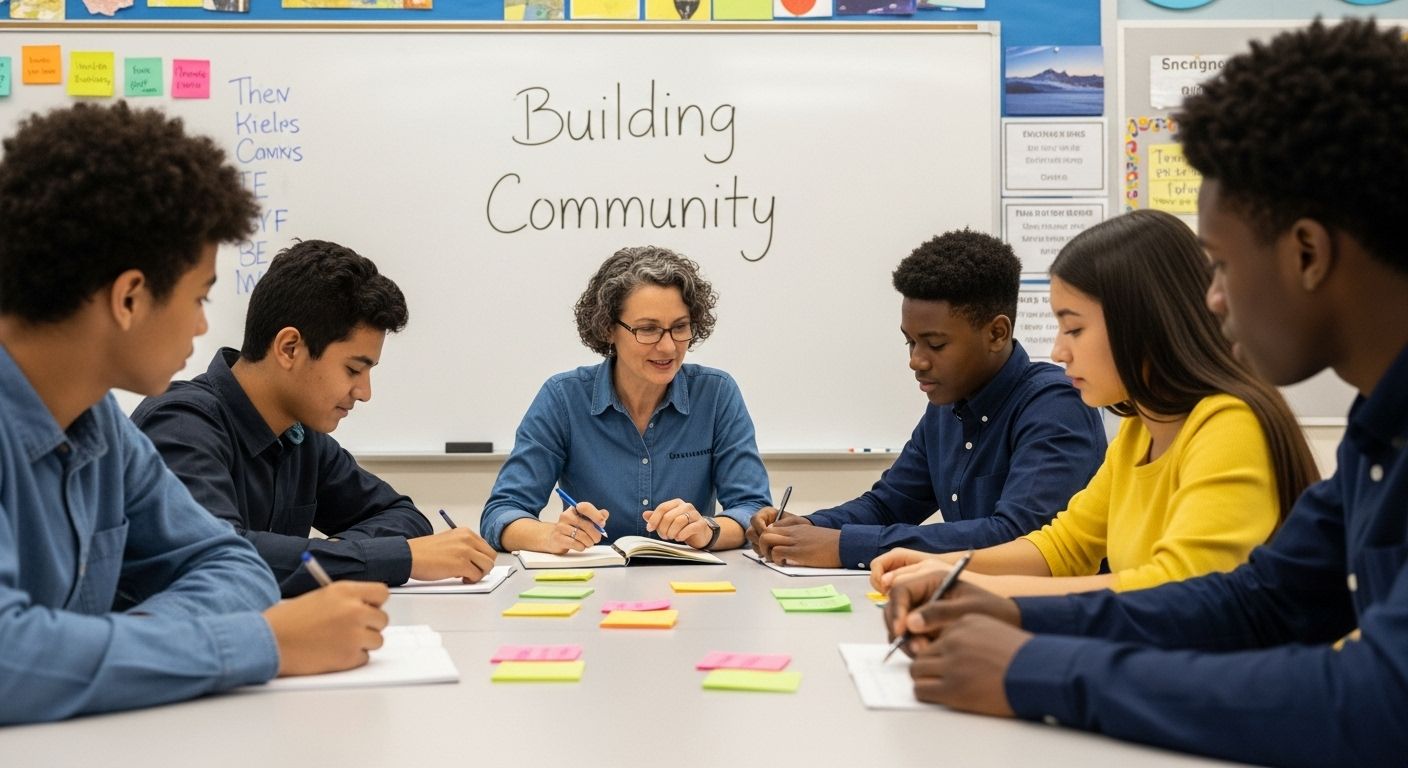
Ultimately, diversity and inclusion assemblies are more than educational events. They are deliberate community building strategies that weave stronger social fabrics, teaching students that true community emerges not from sameness, but from genuine appreciation of our beautiful human differences.
Key Concepts of Effective Diversity and Inclusion Assemblies
Effective diversity and inclusion assemblies require thoughtful design, strategic implementation, and a comprehensive understanding of educational and social dynamics. These gatherings are not mere events but carefully crafted experiences that aim to transform student perspectives and school culture through intentional learning approaches.
Foundational Principles of Design
Successful diversity and inclusion assemblies are built upon core principles that ensure meaningful engagement and genuine learning. These principles move beyond surface level representation to create deep, transformative educational experiences that challenge existing perceptions and promote authentic understanding.
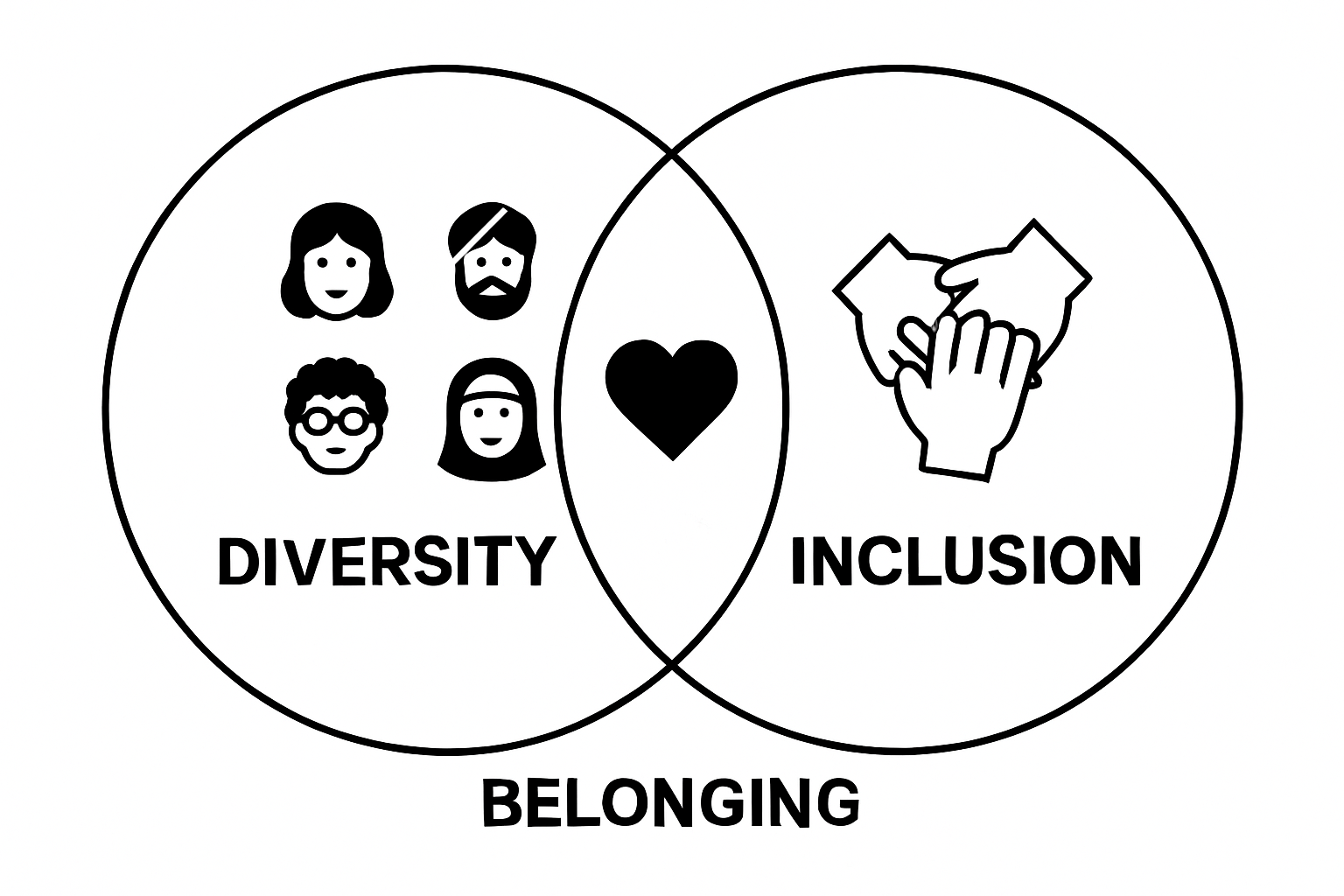
Key design principles include:
- Authenticity in representation
- Interactive and participatory formats
- Age appropriate content delivery
- Balanced narrative approaches
- Respectful and safe learning environments
Research from Monash University emphasizes the importance of valuing diversity, implementing strength-based curricula, and promoting student engagement as critical components of inclusive educational experiences.
Engagement and Interaction Strategies
Explore our inspiring and fun diversity circus assembly show that demonstrates how creative formats can transform complex social concepts into accessible, memorable learning experiences. Effective diversity and inclusion assemblies utilize multi-sensory engagement techniques that appeal to different learning styles and maintain student interest.
These strategies might include live performances, storytelling, interactive discussions, multimedia presentations, and experiential learning activities.
Below is a table outlining the foundational principles and primary engagement strategies that contribute to the effectiveness of diversity and inclusion assemblies.
| Core Principle / Strategy | Description |
|---|---|
| Authentic Representation | Ensures diverse identities are genuinely reflected and respected |
| Interactive Participation | Involves students through activities, not just passive listening |
| Age-Appropriate Content | Aligns discussions and materials with students’ maturity and understanding |
| Balanced Narratives | Presents multiple perspectives to avoid bias |
| Multi-Sensory Engagement | Utilizes storytelling, performance, multimedia, and discussions |
| Safe Learning Environment | Establishes respect and psychological safety for all participants |
Ultimately, successful diversity and inclusion assemblies are dynamic, nuanced approaches to education that recognize the complexity of human experience and the power of empathetic, respectful learning environments.
Real-World Applications and Examples of Successful Assemblies
Diversity and inclusion assemblies transform abstract concepts into tangible learning experiences by employing innovative approaches that resonate with students across different age groups and backgrounds. These strategic educational interventions go beyond theoretical discussions, providing concrete opportunities for meaningful cultural understanding and personal growth.
Storytelling and Personal Narrative Strategies
Successful diversity and inclusion assemblies frequently leverage powerful storytelling techniques that humanize complex social experiences. By presenting personal narratives from individuals with diverse backgrounds, these programs create emotional connections that help students develop empathy and understanding far more effectively than traditional lecturing approaches.
Key storytelling approaches include:
- First person testimonial presentations
- Multimedia narrative experiences
- Interactive dialogue sessions
- Cultural performance demonstrations
- Personal journey storytelling
According to research from the New York State Board of Regents, innovative educational initiatives that promote civic readiness and address social inequities are crucial for developing inclusive learning environments.
Practical Implementation Models
Learn more about the unique benefits of school assembly shows that can transform educational experiences. Successful diversity and inclusion assemblies often utilize multi-dimensional engagement strategies that combine performance, interactive discussions, and reflective activities.
These implementation models might include collaborative workshops where students actively participate in problem solving scenarios, cultural exchange programs that facilitate direct interactions between students from different backgrounds, and creative performance techniques that illustrate complex social concepts through engaging, accessible formats.
Ultimately, real world diversity and inclusion assemblies are dynamic educational tools that bridge understanding, challenge preconceptions, and create meaningful opportunities for genuine human connection across perceived social boundaries.
Bring Diversity Assemblies to Life with Scheer Genius Assembly Shows
Does your school struggle to create truly engaging diversity and inclusion assemblies that students remember? The article highlights the challenge of making diversity education meaningful, interactive, and relevant. Many schools find it hard to move beyond surface-level presentations and create authentic, safe spaces for dialogue and empathy. Real transformation happens when students connect emotionally and learn through participation, not just listening.
Explore our school assemblies category and see how AssemblyShows.com brings powerful messages to life with high-energy, curriculum-aligned performances.
Do not let another assembly fade into the background. Give your students the unique experience of Doug Scheer’s dynamic, professional shows, tailored for elementary and middle schools throughout Michigan, Ohio, Illinois, and the Midwest. Choose from live or virtual assembly programs designed to break down barriers, build empathy, and foster lasting community connections. Visit AssemblyShows.com now to see how you can spark meaningful change in your school today.
Frequently Asked Questions
What are diversity and inclusion assemblies?
Diversity and inclusion assemblies are structured educational events that promote understanding, respect, and appreciation for different human experiences and identities within school environments. They create interactive platforms to value the unique perspectives of peers.
Why are diversity and inclusion assemblies important in schools?
These assemblies foster a school culture that celebrates differences, reduces prejudice, and develops empathy among students, ultimately creating a sense of belonging and promoting social equity.
How do diversity and inclusion assemblies benefit students socially and emotionally?
They directly contribute to students’ social and emotional development by exposing them to varied perspectives, helping to cultivate critical interpersonal skills such as empathy, communication, and cultural understanding, which are essential for personal and professional success in diverse environments.
What strategies are used in effective diversity and inclusion assemblies?
Effective assemblies utilize multi-sensory engagement techniques, including live performances, storytelling, interactive discussions, and experiential learning activities, to create immersive experiences that allow students to explore diverse perspectives actively.