
Did you know that students who participate in team-building activities are up to 50 percent more likely to feel connected to their school community? That sense of connection can shape confidence, empathy, and academic motivation for years to come. Thoughtfully designed assembly games and collaborative challenges serve as powerful bridges, helping students break down barriers, learn to trust each other, and build skills that last well beyond the classroom.
Quick Summary
| Takeaway | Explanation |
|---|---|
| 1. Build trust through icebreaker games | Icebreaker games create psychological safety, allowing students to connect and communicate better in a supportive environment. |
| 2. Engage in collaborative problem-solving | Team problem-solving teaches students negotiation and communication, essential for tackling real-world issues together. |
| 3. Foster leadership with interactive workshops | Leadership workshops help students develop key qualities like empathy and encouragement, essential for guiding others in their community. |
| 4. Utilize arts for team collaboration | Creative arts activities enable students to express themselves and connect, promoting emotional intelligence and teamwork. |
| 5. Implement peer conflict resolution strategies | Training in conflict resolution equips students with crucial communication skills to resolve disagreements constructively and empathetically. |
Table of Contents
- Icebreaker Assembly Games To Build Trust
- Collaborative Problem-Solving Challenges
- Interactive Leadership Skill Workshops
- Creative Arts-Based Team Activities
- STEM Assembly Projects For Group Learning
- Peer Communication And Conflict Resolution Assemblies
- Celebrating School Spirit Through Team Events
1. Icebreaker Assembly Games to Build Trust
Trust is the invisible thread that connects students and transforms a classroom from a simple learning space into a collaborative community. Icebreaker assembly games are powerful tools that help students break down social barriers and build meaningful connections.
According to BizWorld, strategic trust-building activities can dramatically improve student interactions and emotional safety. These games are not just fun experiences they are intentional strategies for developing social skills and mutual understanding.
Why Trust Matters in School Settings
When students feel safe and supported they are more likely to take academic risks participate in class discussions and support their peers. Trust-building games create psychological safety spaces where students learn to rely on each other communicate effectively and develop empathy.
Key Icebreaker Games to Try
Some exceptional trust-building activities recommended by educational experts include:
- Blindfold Walk: One student guides a blindfolded partner through an obstacle course using only verbal instructions
- The Trust Fall: Students learn to support each other physically and emotionally by catching a falling teammate
- The Web of Trust: Students create a metaphorical connection web by passing a string while sharing something about themselves
These activities work best when facilitated with clear guidelines and a supportive environment. Teachers should set expectations model respectful behavior and debrief after each activity to maximize learning potential.
Practical Implementation Tips
Start small with low-stakes activities that feel comfortable for students. Begin in small groups rotate partners and create an atmosphere of curiosity and mutual respect. Watch for students who might feel anxious and provide alternative participation options.
Remember that trust-building is a journey not a destination. Consistent practice patience and positive reinforcement will help students develop stronger interpersonal skills that extend far beyond the assembly room.
2. Collaborative Problem-Solving Challenges
When students learn to solve problems together they develop critical skills that extend far beyond the classroom. Collaborative problem-solving challenges transform traditional learning experiences into dynamic opportunities for teamwork innovation and collective intelligence.
The Power of Collective Thinking
Team-based problem solving teaches students how to communicate effectively negotiate different perspectives and create solutions that no single individual could develop alone. These challenges simulate real world scenarios where complex problems require multiple viewpoints and diverse skill sets.
Key Components of Effective Problem Solving Challenges
Successful collaborative challenges share several important characteristics:
- Clear Goals: Every challenge needs a well-defined objective that motivates students
- Balanced Teams: Mix students with different strengths and learning styles
- Structured Interaction: Provide frameworks that encourage equal participation
- Reflection Time: Allow groups to discuss their strategies and learning experiences
Practical Challenge Design
Design challenges that are engaging yet manageable. Start with short term activities that have immediate outcomes and gradually increase complexity. Examples might include building the tallest structure using limited materials solving a mock community issue or creating an innovative solution to a school related problem.
Implementation Strategies
Begin by establishing ground rules that emphasize respect mutual listening and constructive feedback. Teachers should act as facilitators not directors helping students navigate challenges while allowing them to lead their own learning process.
Skills Developed Through Collaborative Challenges
These activities help students develop crucial skills like critical thinking communication leadership adaptability and emotional intelligence. Students learn that collaboration is not just about completing tasks but about growing together and valuing each team members unique contribution.
Remember that the goal is not just solving the problem but creating an environment where students feel empowered to take intellectual risks explore creative solutions and support one another’s learning journey.
3. Interactive Leadership Skill Workshops
Leadership is not about age or title but about character courage and the ability to inspire others. Interactive leadership skill workshops transform students from passive learners into active change makers who understand the true essence of guiding and supporting their community.
Core Leadership Qualities
According to the Detroit Lions youth leadership program, exceptional leadership encompasses six fundamental qualities: listening learning education ambition discipline and encouragement. These qualities form the foundation of meaningful student leadership development.
Peer Mentorship Model
Link Crew, which operates in thousands of U.S. schools demonstrates an innovative approach to leadership training. By training upperclassmen as peer mentors they create a powerful model of student leadership that supports younger students during critical transition periods.
Workshop Design Strategies
Effective leadership workshops should include:
- Interactive Scenarios: Real world problem solving situations
- Role Playing: Opportunities to practice leadership skills
- Reflection Exercises: Time to process and understand leadership experiences
- Skill Building Activities: Targeted challenges that develop specific leadership competencies
Practical Implementation
Start by creating a supportive environment where students feel safe to explore leadership roles. Mix structured learning with spontaneous interaction. Allow students to lead portions of the workshop rotate leadership responsibilities and provide constructive feedback.
Developing Student Potential
Leadership workshops are not about creating perfect leaders but about nurturing potential. Students learn that true leadership involves empathy understanding and the courage to support others. By providing structured yet flexible learning experiences schools can help students discover their unique leadership strengths.
Remember that leadership is a journey of continuous growth. Every student has leadership potential waiting to be discovered and developed.
4. Creative Arts-Based Team Activities
Arts have an extraordinary power to connect people transcending traditional communication barriers and creating shared experiences. Creative arts-based team activities offer students a unique pathway to collaboration creativity and collective expression.
The Magic of Artistic Collaboration
When students engage in arts-based activities they step outside traditional learning structures and discover new ways of communicating and understanding each other. These experiences break down social barriers encourage emotional intelligence and create memorable shared moments.
Types of Creative Team Activities
Supercharge team building with these engaging artistic approaches:
- Group Mural Painting: Create a collaborative artwork representing team values
- Musical Ensemble Challenges: Develop rhythmic coordination and listening skills
- Drama Improvisation Workshops: Build communication and spontaneous thinking
- Multimedia Storytelling Projects: Combine visual audio and narrative skills
Key Benefits of Arts-Based Collaboration
Artistic team activities deliver multiple developmental advantages. Students learn to:
- Communicate non verbally
- Appreciate diverse perspectives
- Take creative risks
- Support each other constructively
- Transform individual talents into collective achievements
Designing Effective Arts Workshops
Successful arts-based team activities require careful planning. Focus on creating low pressure environments where participation matters more than perfection. Provide clear guidelines while leaving room for individual creativity. Rotate roles ensure everyone has opportunities to contribute and celebrate collective effort.
Implementing Creative Challenges
Start with short duration activities that feel accessible and fun. Choose projects that allow multiple entry points so students with varying artistic skills can participate comfortably. Emphasize process over product and create spaces where experimentation feels safe.
Remember that creativity is not about talent but about willingness to explore connect and express. Every student brings unique gifts to collaborative artistic experiences.
5. STEM Assembly Projects for Group Learning
STEM assembly projects transform traditional learning into dynamic collaborative experiences where students become inventors problem solvers and team innovators. These immersive challenges unlock creativity technical skills and collective intelligence.
The Power of Collaborative STEM Learning
As demonstrated by Tesla STEM High School collaborative learning environments can dramatically enhance student engagement and innovation. When students work together they discover that complex challenges are best solved through shared knowledge and diverse perspectives.
Breakthrough Research in Group Learning
A groundbreaking academic study revealed an extraordinary approach to STEM engagement. Researchers found that a one day workshop where students collaboratively build and program low cost bioinspired robotic blimps significantly improved technical confidence teamwork and overall STEM learning.
Effective STEM Project Design Principles
Successful group STEM projects should include:
- Clear Collaborative Goals: Ensure every team member understands the project objective
- Diverse Skill Integration: Mix students with different strengths and interests
- Hands On Problem Solving: Create challenges that require active participation
- Reflection and Feedback: Build in time for group discussion and learning
Project Implementation Strategies
Design projects that feel like exciting challenges not academic requirements. Provide basic guidelines but allow students creative freedom to explore solutions. Rotate team roles so everyone experiences different project responsibilities.
Learn more about innovative learning approaches in our guide on STEM assembly programs.
Transformative Learning Experiences
Remember that the goal is not just completing a project but creating an environment where students see themselves as capable innovators. Every group challenge is an opportunity to build confidence communication skills and collective problem solving abilities.
The most powerful learning happens when students realize they can achieve more together than they ever could alone.
6. Peer Communication and Conflict Resolution Assemblies
Conflict is an inevitable part of human interaction students need practical skills to navigate challenging social dynamics. Peer communication and conflict resolution assemblies provide transformative learning experiences that teach students how to listen understand and resolve disagreements constructively.
The Science of Peer Mediation
According to ASCD effective peer mediation programs train students through structured communication approaches. These programs typically involve 15 to 20 hours of focused training that equips students with powerful interpersonal skills.
Learning from Successful Programs
The Peer Leaders in Action (PAL) program in California demonstrates how schools can successfully implement peer conflict resolution strategies. Their approach focuses on active listening mediation skills and the TALK method for resolving playground and peer conflicts.
Key Communication Skills to Develop
Effective conflict resolution assemblies should emphasize:
- Active Listening: Understanding before responding
- Emotional Intelligence: Recognizing and managing emotions
- Empathy: Seeing situations from multiple perspectives
- Problem Solving: Finding collaborative solutions
Practical Implementation Strategies
Design assemblies that feel interactive and engaging. Use role playing scenarios real world examples and student led discussions. Create safe spaces where students can practice communication skills without judgment.
Learn more about creating impactful social skill assemblies with our guide on conflict resolution strategies.
Transformative Learning Experiences
Remember that conflict resolution is not about winning but understanding. These assemblies teach students that communication is a skill anyone can develop. By providing practical tools and supportive environments schools can help students become confident compassionate communicators.
The most powerful lessons happen when students realize they have the ability to transform conflicts into opportunities for mutual understanding.
7. Celebrating School Spirit Through Team Events
School spirit is the magical ingredient that transforms a collection of students into a unified community. Team events and spirit assemblies create powerful connections that extend far beyond simple competition transforming how students perceive themselves and their school.
The Power of Collective Identity
As demonstrated by Salem Academy successful spirit events like their Athletic Picnic create lasting traditions that bind students together. By splitting participants into teams such as purple and gold they generate a sense of belonging and shared purpose.
Designing Meaningful Spirit Celebrations
Effective school spirit events go beyond surface level excitement. They create opportunities for students to:
- Build Positive Relationships: Connect across grade levels and social groups
- Develop Team Skills: Learn collaboration and mutual support
- Create Lasting Memories: Generate shared experiences that students will remember
- Boost School Morale: Increase overall engagement and positive school culture
Strategic Implementation Approaches
Create spirit events that feel inclusive and meaningful. Avoid competitions that might marginalize students. Instead design activities that allow multiple ways of participation and celebration.
Learn more about creating engaging school experiences with our guide on unconventional school assemblies.
Creating Authentic Connections
Remember that true school spirit cannot be forced. The most powerful celebrations emerge organically when students feel genuinely connected to their school community. Every event is an opportunity to strengthen those bonds build mutual respect and create an environment where every student feels valued.
The best school spirit moments happen when students realize they are part of something larger than themselves.
Below is a comprehensive table summarizing icebreaker assembly games, collaborative problem-solving challenges, leadership workshops, arts-based activities, STEM projects, peer communication assemblies, and school spirit events discussed in the article.
| Activity/Strategy | Description | Key Considerations & Benefits |
|---|---|---|
| Icebreaker Games | Activities like Blindfold Walk and Trust Fall to build connections. | Create psychological safety, improve communication and empathy. |
| Problem-Solving Challenges | Team-based tasks for collaborative thinking. | Enhances critical thinking, negotiation skills, and innovation. |
| Leadership Workshops | Interactive scenarios and role playing to cultivate leadership skills. | Develops qualities like empathy and encouragement through structured interaction. |
| Arts-Based Activities | Engage through mural painting, music and drama. | Encourages collaborative creativity and emotional intelligence. |
| STEM Projects | Group projects like building robotic blimps to enhance technical skills. | Promotes innovation, problem-solving, and teamwork. |
| Communication Assemblies | Peer mediation and conflict resolution training. | Improves listening, emotional intelligence, and empathy. |
| School Spirit Events | Unified activities like spirit assemblies for school identity. | Builds community, positive relationships, and school morale. |
Bring Real Team-Building to Your School—Make Learning Unforgettable
Do you want to see real teamwork, trust, and leadership in action at your school?
Explore how Assemblies designed for student success can solve the very challenges highlighted in “7 Team-Building Assembly Examples for School Success.” Whether you need stronger collaboration, better conflict resolution, or more school spirit, you will find programs that align with your goals and give every child a voice.
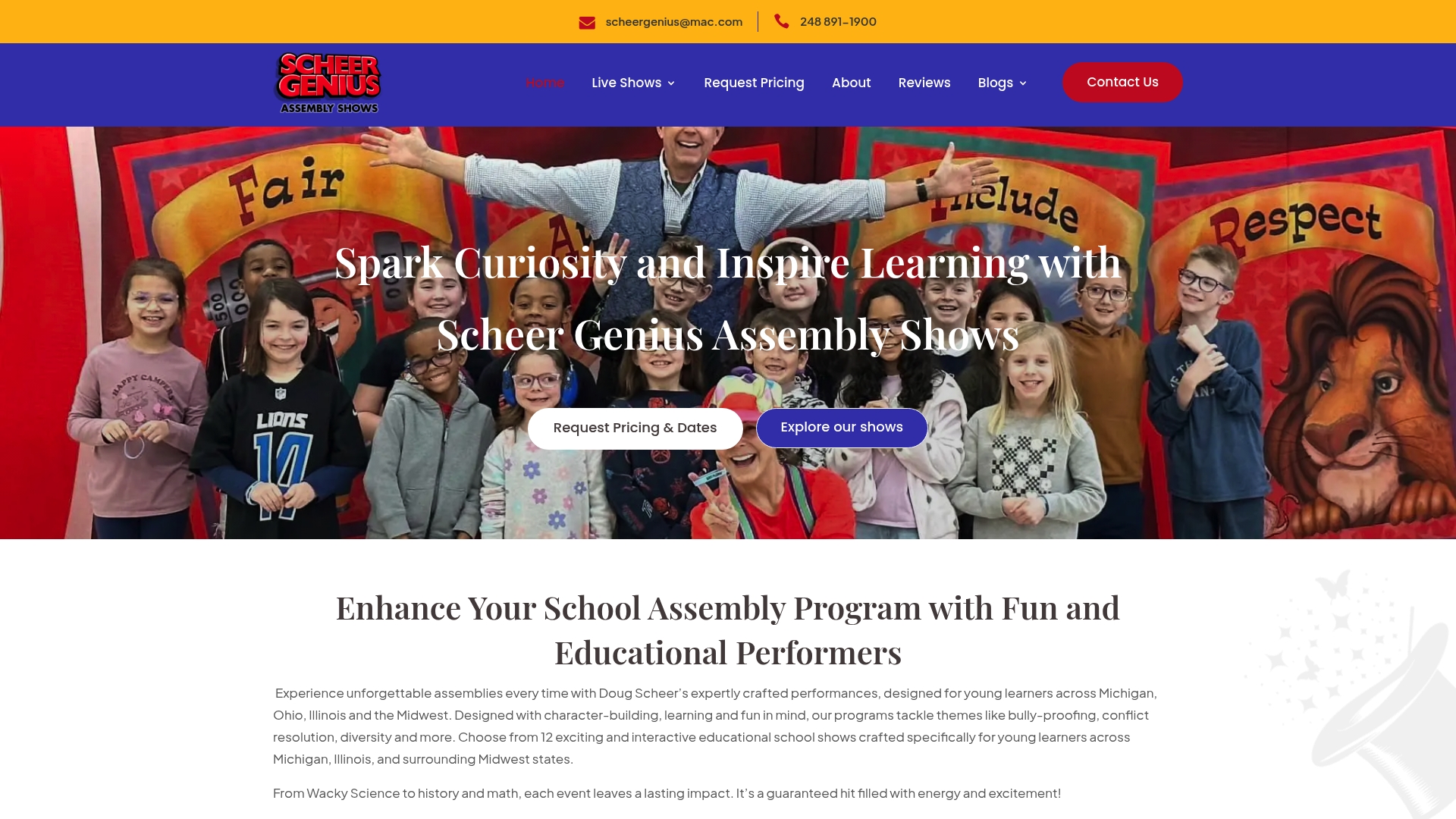
Now is the time to energize your school community and reinforce the skills that matter most. Discover your perfect program with AssemblyShows.com—choose from interactive live or Virtual Shows and bring Doug Scheer’s award-winning educational entertainment to your students.
Take the next step toward a more connected and confident classroom. Book your assembly today and watch students grow together.
Frequently Asked Questions
What are some effective team-building assembly examples I can use in school?
Team-building assembly examples include icebreaker games, collaborative problem-solving challenges, interactive leadership workshops, arts-based activities, STEM projects, conflict resolution assemblies, and school spirit events. Consider implementing at least one of these activities each month to enhance community and collaboration in your school.
How can I foster trust among students during team-building assemblies?
You can foster trust by incorporating activities like the Trust Fall or Blindfold Walk, which encourage reliance and communication. Aim to include trust-building activities in at least 2-3 assemblies throughout the school year to build a strong foundation of mutual respect.
What steps should I take to design a successful collaborative problem-solving challenge?
To design a successful challenge, set clear goals, create balanced teams, and provide structured interaction guidelines. Start with a manageable project and gradually add complexity, allowing students to reflect on their experience after each challenge.
How do I create an engaging arts-based team activity?
To create an engaging arts-based activity, focus on projects like group mural painting or drama improvisation workshops that appeal to various student talents. Plan for at least one arts-based team activity each quarter to encourage creativity and collaboration within your student community.
What key skills do students develop through interactive leadership workshops?
Students develop critical skills such as communication, empathy, adaptability, and leadership through interactive workshops. Incorporate regular leadership workshops, perhaps every semester, to continuously foster these essential skills in your students.
How can conflict resolution assemblies benefit student interactions?
Conflict resolution assemblies teach students essential skills like active listening, emotional intelligence, and empathy. Schedule these assemblies periodically and encourage students to practice these skills in their daily interactions, aiming for noticeable improvement in peer relationships within a few months.
Recommended
- 8 Creative Middle School Assembly Ideas to Engage Students – Scheer Genius Assembly Shows
- What is an Elementary School Assembly? Understanding Its Importance – Scheer Genius Assembly Shows
- Understanding Why Elementary Assemblies Matter for Schools – Scheer Genius Assembly Shows
- The Power of Unconventional School Assemblies | Scheer Genius