
Nearly 80 percent of schools plan to update their assembly themes by 2026, reflecting a rapid shift in what today’s students need most. Modern education goes far beyond textbooks, now emphasizing skills like digital citizenship, creative problem-solving, and emotional intelligence. New interactive approaches are reshaping assemblies, turning them into powerful opportunities for growth and engagement that truly connect with students in a changing world.
Key Takeaways
| Point | Details |
|---|---|
| Prioritization of Competency Development | Educational assemblies in 2026 will emphasize core competencies like critical thinking, creativity, and adaptability beyond traditional academics. |
| Integration of Technology | Digital tools and EdTech will be crucial, with themes reflecting digital citizenship, innovation, and personalized learning experiences. |
| Focus on Social-Emotional Learning | Assemblies will integrate social-emotional learning to foster mental health, empathy, and communication skills among students. |
| Adaptive and Inclusive Themes | Successful themes will be flexible and inclusive, aligning with curriculum goals while catering to diverse learning styles and backgrounds. |
Defining Assembly Themes for 2026
Educational assembly themes in 2026 will reflect significant shifts in learning priorities and student development strategies. According to BizcommunityTrends, educational systems are increasingly prioritizing core competency development that goes beyond traditional academic learning.
The emerging assembly themes will concentrate on cultivating critical skills like critical thinking, creativity, collaboration, and adaptability. Schools will seek assembly programs that demonstrate these qualities through interactive, experiential learning formats.
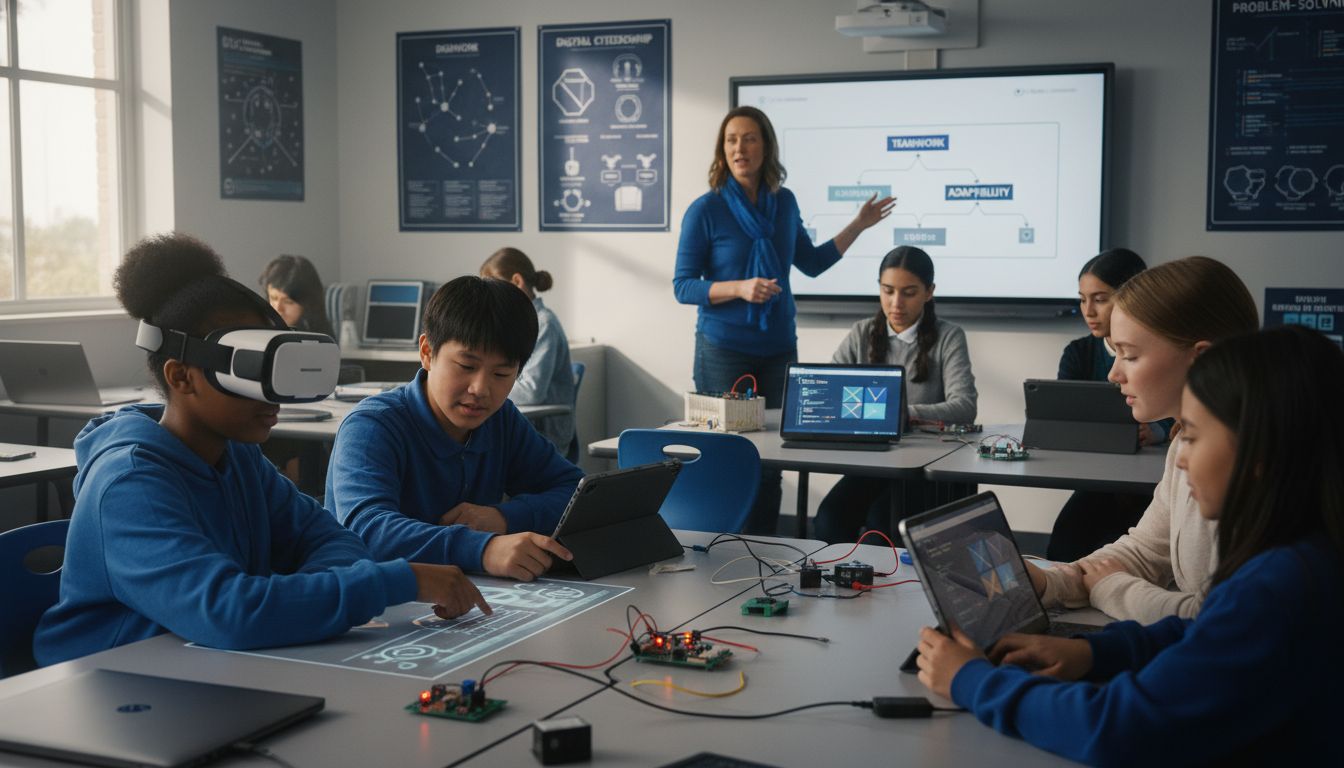 For instance, assembly themes might focus on problem-solving workshops, collaborative challenge presentations, or performances that encourage student engagement and skill-building.
Technology and digital integration will play a crucial role in shaping 2026 assembly themes. RTOResources highlights the booming EdTech market, suggesting that assembly programs will likely incorporate digital elements to create more personalized and flexible learning experiences. Key theme areas might include:
- Digital citizenship and online safety
- Technology innovation showcases
- Interdisciplinary learning demonstrations
- Creative problem-solving presentations
These emerging themes represent a significant departure from traditional assembly formats, emphasizing holistic skill development and interactive learning experiences that prepare students for a rapidly changing world.
For a comprehensive exploration of culturally diverse and inclusive assembly concepts, check out our guide to cultural diversity assemblies.
Emerging Curriculum-Aligned Topics and Trends
Curriculum-aligned assembly themes are evolving rapidly, with innovative approaches transforming traditional educational experiences. Skoodos highlights a critical emerging trend: gamification, which introduces game-like elements such as points, badges, and challenges to make learning more engaging and interactive for students.
High-performing school districts are reimagining curriculum integration through strategic technological approaches. According to Kiddom, districts are now streamlining instructional technology to ensure every lesson, assignment, and assembly connects directly to prioritized learning goals. This means assembly themes must align more precisely with core educational objectives and demonstrate clear learning outcomes.
Emerging curriculum-aligned topics are likely to focus on several key areas:
Here’s a summary of key curriculum-aligned assembly topics and their main focus areas:
| Topic Area | Core Focus | Format Suggestions |
|---|---|---|
| Social-emotional learning | Mental health Empathy Wellness | Workshops Role-play Group discussion |
| Digital citizenship | Online safety Responsible use | Interactive talks Scenario-based activities |
| Global awareness | Cultural competence International perspectives | Guest speakers Multimedia presentations |
| STEM skills | Science & tech Innovation | Hackathons Demonstrations |
| Environmental sustainability | Eco-awareness Conservation | Green initiatives Project showcases |
| Gamification | Engaged learning Motivation | Game-based assemblies Badge challenges |
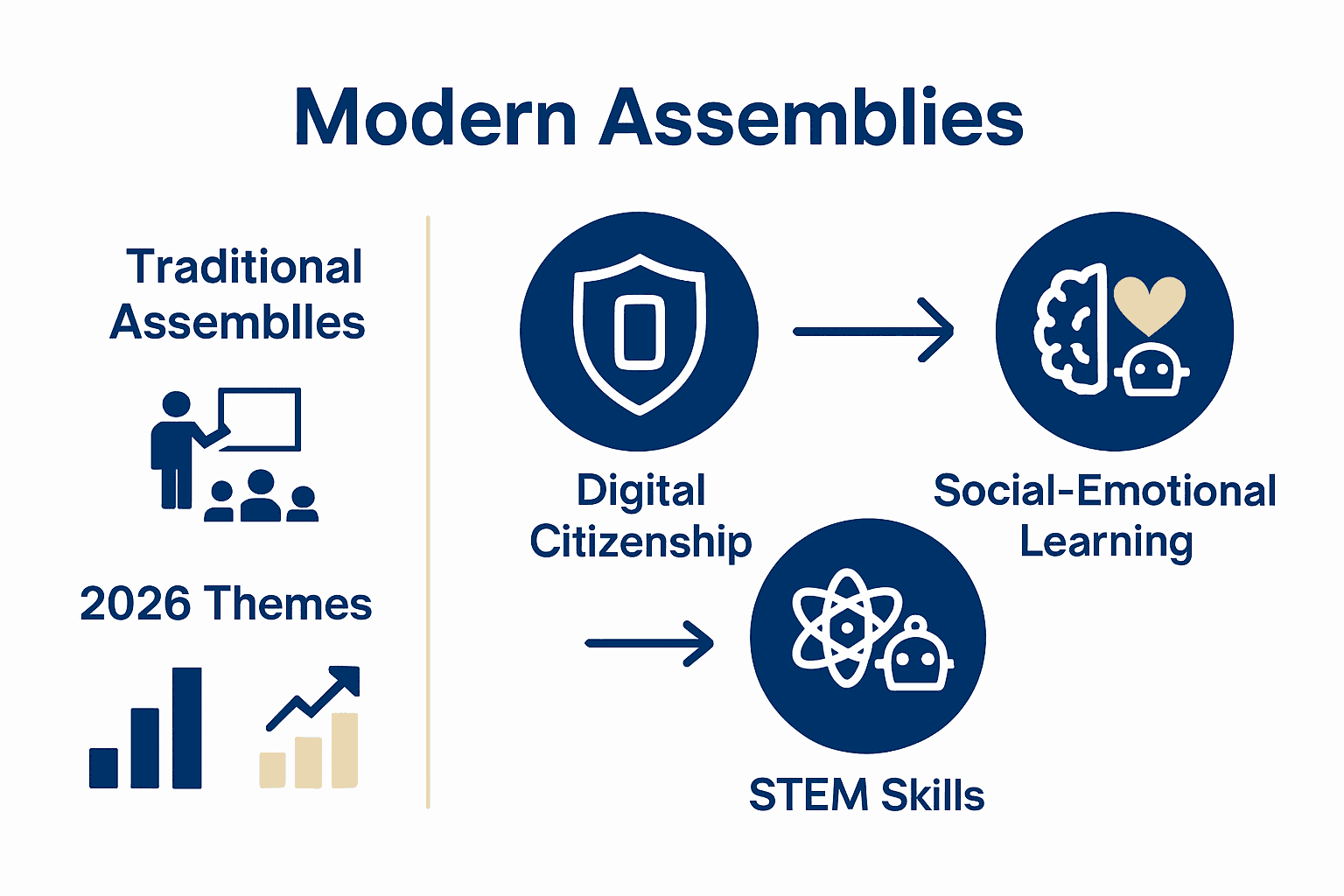
- Social-emotional learning
- Digital citizenship
- Global awareness and cultural competence
- STEM skill development
- Environmental sustainability
- Mental health and wellness
These themes reflect a holistic approach to education that goes beyond traditional academic boundaries.
Assembly programs will need to be dynamic, interactive experiences that not only entertain but also provide meaningful learning opportunities for students.
To explore how curriculum enrichment can transform educational experiences, check out our guide on curriculum enrichment and discover innovative strategies for engaging student learning.
Student Engagement and Interactive Approaches
Student engagement is undergoing a radical transformation, driven by innovative technological approaches that make learning more immersive and interactive. SFX highlights the emergence of Extended Reality (XR), which includes Augmented Reality (AR), Virtual Reality (VR), and Mixed Reality (MR), offering unprecedented immersive learning experiences that dramatically improve student participation and understanding.
LinkedIn Educational Trends emphasizes the growing impact of EdTech tools in creating more dynamic learning environments. Interactive technologies like virtual labs, AI-driven platforms, and smart whiteboards are reshaping how students interact with educational content, making learning more personalized and engaging.
Key interactive approaches for student engagement in 2026 will likely include:
- Gamified learning experiences
- Real-time collaborative platforms
- Personalized learning pathways
- Immersive simulation technologies
- Peer-to-peer interactive learning
- Adaptive assessment tools
These approaches represent a significant shift from traditional passive learning models, focusing instead on creating dynamic, participatory educational experiences that resonate with today’s tech-savvy students.
To dive deeper into maximizing student engagement, explore our guide on boosting student engagement for school success, which offers practical strategies for creating more interactive and compelling learning environments.
Incorporating Social-Emotional Learning Themes
AssignmentGPT reveals that Social-Emotional Learning (SEL) is rapidly becoming a critical component of educational frameworks by 2026. This transformative approach helps students develop essential life skills, enabling them to regulate stress, communicate efficiently, and cultivate empathy toward others in an increasingly complex social landscape.
EduStepUp highlights the growing emphasis on psychological support within educational environments. Schools are now implementing intensive programs designed to enhance the well-being of both students and teachers, including specialized training for educators on strategies to provide psychological support and leveraging technology tools to monitor emotional health.
Key components of effective Social-Emotional Learning themes for 2026 assemblies will likely include:
- Emotional intelligence development
- Stress management techniques
- Conflict resolution skills
- Empathy and compassion building
- Communication and interpersonal skills
- Resilience and mental health awareness
- Self-reflection and personal growth strategies
These themes represent a holistic approach to education that recognizes emotional intelligence as equally important as academic achievement. By integrating SEL into assembly programs, schools can create supportive environments that nurture students’ psychological and social development.
To explore more about implementing transformative learning experiences, check out our guide on assembly shows in teaching social-emotional learning, which offers insights into creating meaningful educational interactions.
Technology, Equity, and Inclusion in Assemblies
LinkedIn reveals that emerging technologies are revolutionizing educational approaches, with artificial intelligence, virtual and augmented reality, and robotics creating unprecedented opportunities for student engagement and learning experiences. These technological innovations are breaking down traditional barriers, making educational content more accessible and inclusive than ever before.
Acadecraft highlights the transformative potential of virtual and augmented reality in creating unique learning experiences. From virtual field trips to interactive simulations, these technologies enable students to explore diverse perspectives and experiences that promote deeper understanding and empathy across different backgrounds and learning styles.
Key strategies for integrating technology, equity, and inclusion in assemblies include:
- Adaptive technologies that support diverse learning needs
- Multilingual and culturally responsive content
- Accessibility features for students with different abilities
- Representation of diverse voices and experiences
- Interactive technologies that promote collaborative learning
- Inclusive storytelling and narrative approaches
- Universal design principles in educational programming
These approaches demonstrate a comprehensive commitment to creating educational experiences that are not just technologically advanced, but also fundamentally equitable and inclusive. By embracing diverse perspectives and innovative technologies, schools can create assembly programs that truly reflect the richness of student experiences.
To explore more about creating inclusive educational experiences, check out our guide to defining diversity assemblies, which offers deep insights into building meaningful, representative educational programs.
Selecting and Adapting Themes for Your Schools
MRCCEdTech reveals a critical post-pandemic shift towards blended learning models, transforming educational approaches from emergency responses to standard pedagogical strategies. This transition highlights the importance of creating flexible, adaptive assembly themes that can seamlessly integrate both in-person and online learning experiences.
EduStepUp emphasizes the growing significance of game-based learning strategies that motivate students and develop crucial skills like teamwork and problem-solving. When selecting assembly themes, schools must consider approaches that not only educate but actively engage students through interactive and dynamic content.
Key considerations for selecting and adapting assembly themes include:
- Alignment with curriculum goals
- Flexibility across learning environments
- Engagement and interactive potential
- Skill development opportunities
- Cultural relevance and inclusivity
- Technology integration capabilities
- Age-appropriate content
- Adaptability to different learning styles
Successful theme selection requires a holistic approach that balances educational objectives with student interests and emerging learning technologies. Schools must remain agile, creating assembly programs that can quickly adapt to changing educational landscapes and student needs.
To dive deeper into creating curriculum-aligned assembly experiences, explore our guide on how our programs align with curriculum and character education, which offers practical insights for educational leaders.
Elevate Your 2026 Assembly Themes with Engaging, Curriculum-Aligned Programs
In a world where assembly themes focus on social-emotional learning, technology integration, and student engagement, finding programs that truly resonate can be a challenge. Educators aim to inspire students with meaningful experiences that foster skills like empathy, digital citizenship, and resilience while keeping them energized and involved. If you want assemblies that go beyond passive presentations and offer interactive, educational entertainment aligned with these rising trends, you are in the right place.
Discover how AssemblyShows.com can meet these evolving needs with a powerful lineup of twelve dynamic programs designed for elementary and middle schools. Whether you choose a traditional live event or a flexible virtual option from our Virtual Shows Archives, each assembly is crafted to spark curiosity and build essential skills. Plus, explore our full range of engaging content through the Assemblies Archives to find the perfect fit for your curriculum goals.
Bring your 2026 assembly themes to life by partnering with a trusted educational entertainer recognized nationwide. Act now to secure your spot for the upcoming school year and provide students with experiences that blend learning and fun seamlessly. Visit AssemblyShows.com to explore programs and book assemblies that align perfectly with your school’s growth and student success objectives.
Frequently Asked Questions
What are the main focuses of assembly themes in 2026?
The main focuses of assembly themes in 2026 include competency development, critical skills such as critical thinking and creativity, digital integration, and social-emotional learning. Schools will aim to create themes that promote interactive and experiential learning.
How will technology shape assembly themes in 2026?
Technology will play a crucial role in shaping assembly themes by incorporating elements like gamification, digital citizenship, and immersive learning experiences using AR and VR. This fosters personalized and engaging learning environments for students.
What is the importance of social-emotional learning in assembly themes?
Social-emotional learning is essential in assembly themes as it helps students develop emotional intelligence, stress management, empathy, and resilience. These skills are vital for students’ psychological well-being and overall development in a complex social landscape.
How can schools select and adapt assembly themes effectively?
Schools can effectively select and adapt assembly themes by ensuring alignment with curriculum goals, maintaining flexibility for various learning environments, and focusing on engagement and skill development. Considering cultural relevance and integrating technology are also key factors.
Recommended
- Complete Guide to Defining Diversity Assemblies – Scheer Genius Assembly Shows
- 8 Fun Elementary School Assembly Ideas for Engaging Students – Scheer Genius Assembly Shows
- 8 Creative Middle School Assembly Ideas to Engage Students – Scheer Genius Assembly Shows
- Role of Curriculum-Based Assemblies: Complete Guide – Scheer Genius Assembly Shows