
Did you know that over 70 percent of schools now use virtual or hybrid assembly shows to reach students wherever they learn? As teachers look for ways to connect with all learners, these interactive formats have become vital tools. Virtual and hybrid assemblies offer flexibility, make learning more accessible, and spark excitement in students who might otherwise miss out on memorable in-person events.
Key Takeaways
| Point | Details |
|---|---|
| Virtual and Hybrid Formats | Virtual shows offer flexibility for learning environments, while hybrid assemblies combine live and virtual elements for greater inclusivity. |
| Engagement Strategies | Interactive digital experiences, such as live polling and real-time Q&A, enhance student participation and make learning more dynamic. |
| Curriculum Alignment | Doug Scheer’s shows align with educational content, providing meaningful learning experiences that capture student interest. |
| Accessibility and Scalability | These innovative formats reduce logistical challenges and maximize reach, allowing all students to participate regardless of location. |
Defining Virtual and Hybrid Assembly Shows
As schools adapt to changing educational landscapes, virtual and hybrid assembly shows have emerged as dynamic solutions for engaging students beyond traditional in-person presentations. According to research, a virtual event is an online gathering where participants interact through web-based platforms, replicating the interactive experience of physical events.
A hybrid assembly takes this concept further by blending live in-person performances with robust virtual components. Virtual Assembly Shows provide schools flexibility, allowing students to participate whether they are in the classroom or learning remotely. This format accommodates diverse learning environments and ensures no student misses out on educational entertainment.
Here’s a comparison of virtual, hybrid, and in-person assembly shows:
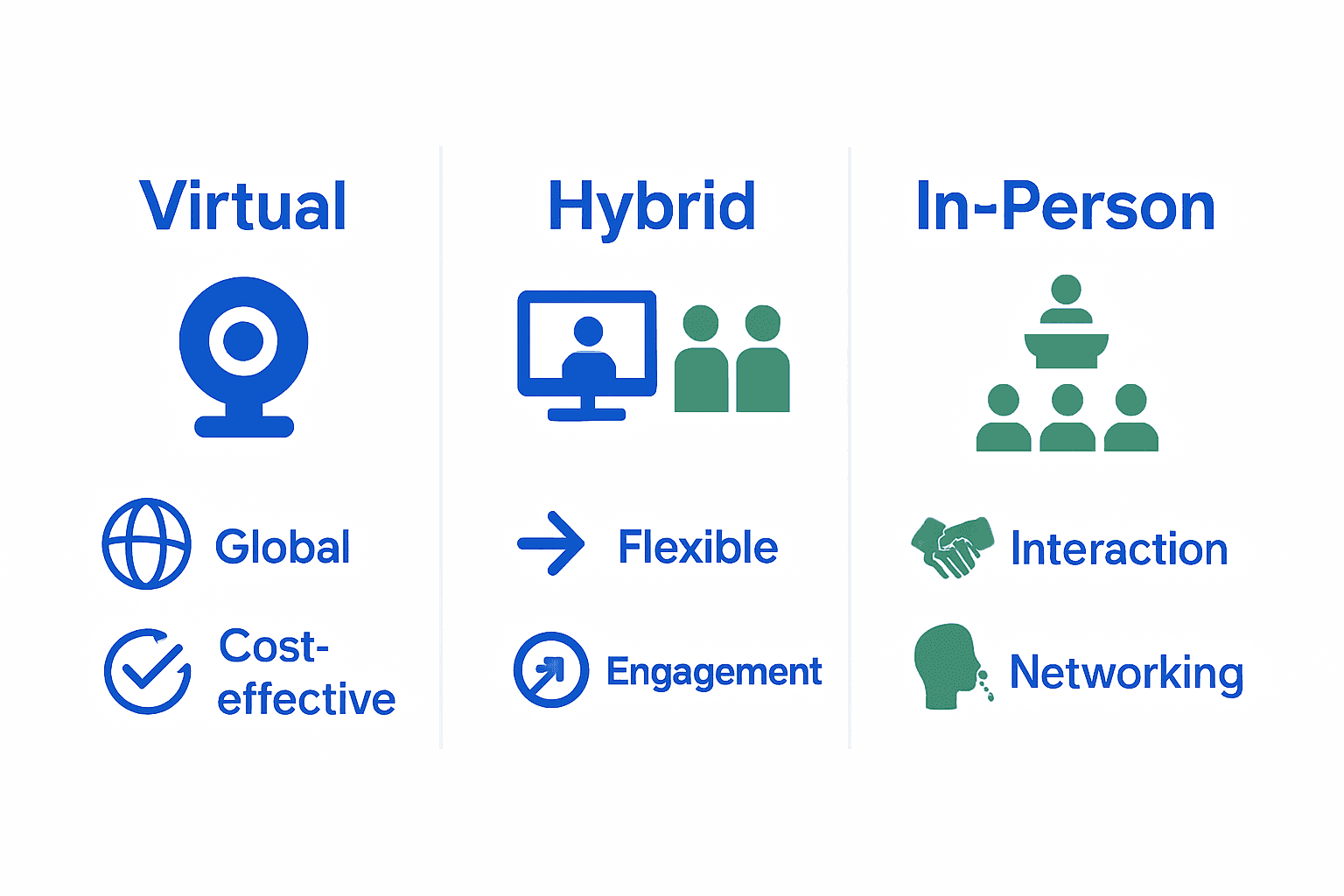
| Feature | Virtual Assembly | Hybrid Assembly | In-Person Assembly |
|---|---|---|---|
| Student Access | Anywhere with internet | On-site & remote, flexible | Only on-site |
| Interactivity Tools | Polls Q&A Digital boards | Live & virtual elements Real-time feedback | Physical engagement |
| Logistical Needs | Minimal, tech setup only | AV support for both channels | Venue, travel required |
| Adaptability | High, for any scenario | Very high, adapts to change | Low |
| Engagement Challenges | Potential distractions | Balances both audience types | Limited to present crowd |
| Key Benefit | Maximum reach | Versatility & inclusivity | Immersive presence |
With Doug Scheer’s assembly shows, schools can expect high-energy, curriculum-aligned performances that translate seamlessly between virtual and in-person formats. These shows maintain the same interactive energy, whether students are watching from classroom screens or sitting together in an auditorium. The key is creating an engaging experience that captures students’ attention and delivers meaningful educational content.
The benefits of virtual and hybrid assemblies extend beyond convenience. They offer unprecedented accessibility, reduce logistical challenges, and provide schools with versatile educational programming that can adapt to changing circumstances. By embracing these innovative presentation formats, schools can continue delivering inspiring, educational experiences to students, no matter where they are learning.
Types of Interactivity in Remote Assemblies
Remote assembly shows have revolutionized educational entertainment by introducing interactive digital experiences that engage students through dynamic multimedia interactions. According to research on interactive media, these experiences go beyond traditional presentations by dynamically responding to user input and delivering content through multiple channels like text, images, animations, and video.
Doug Scheer’s assembly shows leverage multiple interactivity strategies to keep students engaged. Interactive Assembly Tips reveal several key approaches:
- Live polling and real-time Q&A sessions
- Digital challenge segments where students solve problems together
- Interactive video demonstrations
- Virtual hand-raising and participation mechanisms
- Multimedia storytelling with audience decision points
Technology like interactive whiteboards further enhances remote assembly experiences by allowing presenters to create collaborative, responsive learning environments.
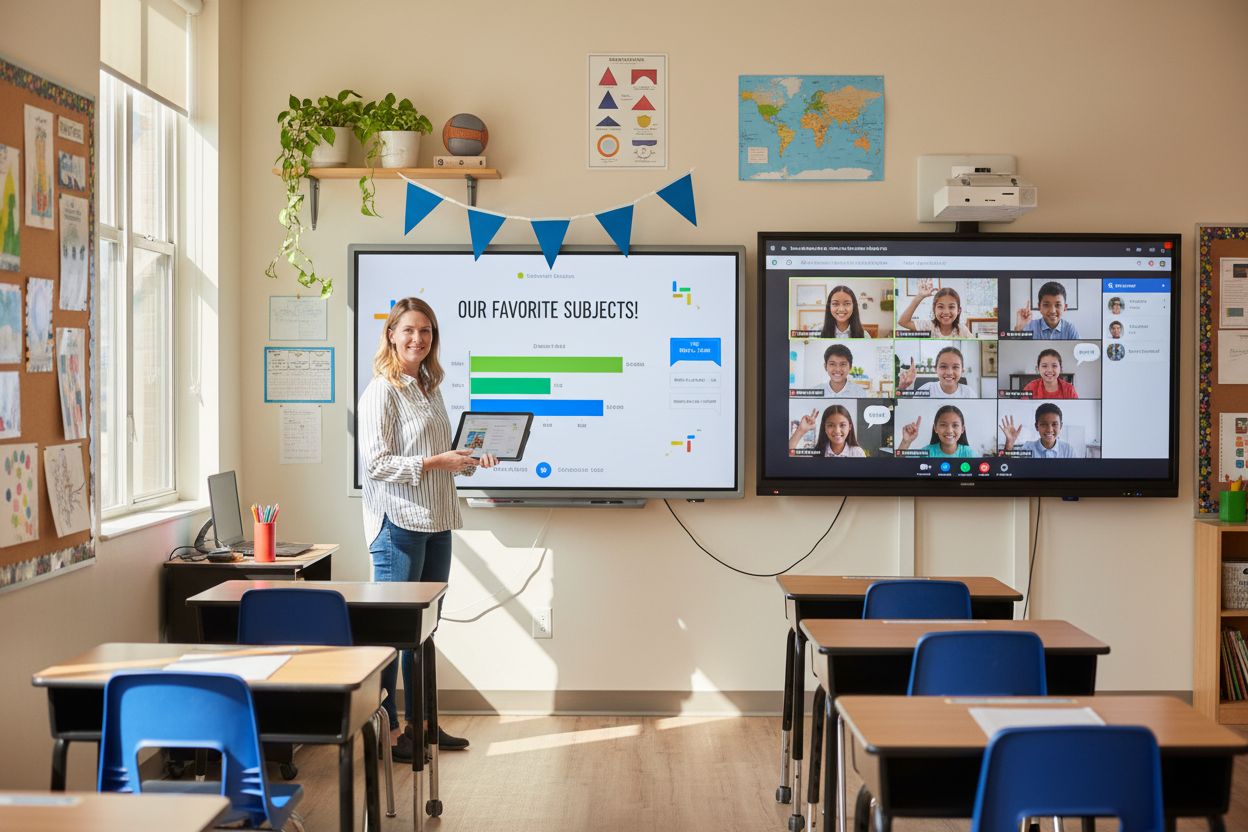 These digital tools support touch-based interactions, digital annotations, and real-time feedback mechanisms that transform passive viewing into active learning.
The goal of interactive remote assemblies is not just entertainment, but meaningful engagement. By incorporating multiple interaction points, these shows ensure students remain attentive, participate actively, and absorb educational content in memorable, stimulating ways. Whether students are learning in classrooms or from home, interactive assemblies bridge the engagement gap and make learning an exciting, collaborative experience.
Key Features of Engaging Online Shows
Engaging online shows have transformed educational entertainment by incorporating dynamic, interactive elements that capture students’ attention and create immersive learning experiences. According to research on virtual events, these shows go beyond traditional presentations by integrating live streaming, interactive sessions, and real-time audience participation.
Tips For Teachers: Better Engage Your Virtual Learners highlight several critical features that make online shows truly compelling:
- High-quality audio and video streaming
- Real-time audience interaction mechanisms
- Multimedia storytelling techniques
- Dynamic visual presentations
- Interactive challenge segments
- Curriculum-aligned content delivery
The key to successful online shows is creating an experience that feels less like a passive viewing and more like an active, collaborative learning environment. Interactive media research suggests that incorporating user participation through digital formats like quizzes, live polls, and feedback mechanisms significantly enhances engagement.
Doug Scheer’s assembly shows excel by blending educational content with entertainment, ensuring that students remain focused and excited throughout the presentation. By strategically designing shows that respond to student input and create multiple touchpoints for interaction, these online experiences transform traditional learning into an dynamic, memorable journey of discovery.
Why Doug Scheer’s Programs Excel in Michigan
Doug Scheer has become a cornerstone of educational entertainment across Michigan, delivering assembly shows that transform traditional learning experiences into dynamic, engaging performances. Michigan Schools Get 75% Off All Scheer Genius Assembly Shows highlight the unique accessibility and value these programs bring to educational institutions throughout the state.
The excellence of Doug’s programs stems from several key distinguishing factors:
- Curriculum-aligned content that supports classroom learning
- High-energy, interactive performances that capture student attention
- Adaptable formats for both in-person and virtual environments
- Age-appropriate content tailored to specific grade levels
- Professional production quality with educational depth
- Engaging storytelling techniques that make learning fun
What truly sets Doug Scheer apart is his commitment to creating meaningful educational experiences. His shows aren’t just performances—they’re carefully crafted learning journeys that spark curiosity, encourage critical thinking, and make complex subjects accessible and exciting for students across Michigan.
By combining entertainment with substantive educational content, Doug Scheer’s assembly shows have earned a reputation as more than just a break from traditional classroom learning. They are transformative experiences that inspire students, support teachers, and demonstrate the incredible potential of interactive, engaging educational programming.
Maximizing Student Participation and Enjoyment
Engaging students in virtual and hybrid assembly shows requires strategic approaches that transform passive viewing into active learning experiences. 6 Ways to Boost Student Engagement for 2025 Success reveal innovative techniques that make educational entertainment truly compelling.
Successful student participation hinges on several key strategies:
- Creating multiple interactive touchpoints
- Designing content that feels personally relevant
- Encouraging real-time digital interactions
- Utilizing dynamic multimedia presentations
- Implementing instant feedback mechanisms
- Making learning feel like an exciting game
According to research on virtual classrooms, real-time interaction is crucial for maintaining student attention. Interactive technologies like digital whiteboards enable presenters to transform traditional presentations into collaborative experiences where students aren’t just watching—they’re actively participating. This approach turns assembly shows from one-way communication into engaging, two-way learning adventures.
The ultimate goal is creating an environment where students lean forward with curiosity, not backward with boredom. By blending entertainment with educational content, carefully designing interactive elements, and maintaining high-energy delivery, assembly shows can become transformative experiences that students eagerly anticipate and enthusiastically engage with.
Transform Your School Assemblies with Dynamic Virtual and Hybrid Solutions
Many schools struggle to find engaging ways to deliver educational content that connects with every student, especially when balancing in-person and remote learning environments. This article highlights the need for assemblies that go beyond traditional formats by embracing interactivity, accessibility, and flexibility to keep students engaged and excited.
Doug Scheer’s proven shows tackle these challenges head-on by offering curriculum-aligned programs designed specifically for virtual and hybrid formats. These innovative assemblies include real-time audience participation, multimedia storytelling, and adaptable delivery methods that fit your school’s unique needs. Explore the full range of Virtual Shows Archives – Scheer Genius Assembly Shows to see how these performances capture student attention with high-energy interaction and meaningful content.
Ready to elevate your school’s assembly experience today with programs crafted for every learning setting Make the switch to interactive education entertainment that delights and inspires your students. Visit AssemblyShows.com now to discover all available options and book a show built to maximize student participation while supporting your curriculum. Don’t wait to bring unforgettable learning experiences to your school community. Learn more through our complete Assemblies Archives – Scheer Genius Assembly Shows and book the perfect program for your needs.
Frequently Asked Questions
What are virtual assembly shows?
Virtual assembly shows are online gatherings where participants engage through web-based platforms, replicating the interactive experience of in-person events.
How do hybrid assembly shows differ from virtual and in-person shows?
Hybrid assembly shows combine live in-person performances with virtual components, allowing students to participate both on-site and remotely, while in-person shows only cater to those present at the venue.
What are the key benefits of using virtual and hybrid assemblies in schools?
The main benefits include increased accessibility, reduced logistical challenges, adaptability to various learning environments, and the ability to engage a wider audience than traditional in-person assemblies.
How can technology enhance student engagement in remote assembly shows?
Technology enhances engagement through interactive features like live polling, real-time Q&A sessions, digital challenge segments, and multimedia storytelling, enabling students to actively participate and make learning more collaborative.