
Getting students to actually participate during school assemblies can feel impossible. Most kids tune out and stare at the floor. Yet assemblies pack huge potential when done right. Research shows clear objectives and interactive tech can double student engagement compared to standard lectures. But the biggest surprise is this. The methods that really work look nothing like those old routines with silent rows and endless speeches.
Table of Contents
- Set Clear Objectives For Engagement
- Incorporate Interactive Technology
- Use Hands-On Activities
- Invite Student Participation
- Leverage Guest Speakers
- Create Collaborative Group Activities
- Gather Feedback For Continuous Improvement
Quick Summary
| Takeaway | Explanation |
|---|---|
| Set clear, measurable objectives | Define specific goals to boost student engagement and align with educational outcomes. |
| Incorporate interactive technology | Use digital tools to enhance participation and knowledge retention in assemblies. |
| Engage students with hands-on activities | Implement experiential learning opportunities to connect abstract ideas to real-life experiences. |
| Encourage diverse student participation | Create safe, inclusive environments for students to express ideas and ask questions. |
| Collect feedback for continuous improvement | Gather insights from students and educators to improve future assemblies effectively. |
1: Set Clear Objectives for Engagement
Engaging students during school assemblies requires strategic planning and purposeful goal setting. Interactive assembly tips begin with defining precise objectives that transform passive listening into active participation. School administrators and teachers must craft clear goals that align with educational outcomes and student interests.
According to Brandeis University, setting objectives provides crucial direction and motivation for group activities. When developing assembly goals, consider the following key areas:
- Academic learning enhancement
- Social skill development
- Curriculum reinforcement
- Student enthusiasm and engagement
Successful interactive assemblies start with understanding your specific audience. Middle school students require different engagement strategies compared to elementary learners. Tailor your objectives to match student age groups, developmental stages, and learning preferences.
The most effective interactive assembly tips involve creating measurable, realistic goals. Break down broader objectives into specific, achievable targets. For instance, instead of a vague goal like “students will learn something new,” design precise learning outcomes such as “students will identify three key historical concepts” or “participants will demonstrate two collaborative problem solving techniques.”
Research from Montana State University demonstrates that clear goal setting directly impacts student engagement and academic achievement. By establishing transparent, meaningful objectives, schools can transform assemblies from routine events into dynamic learning experiences that capture students’ attention and stimulate intellectual curiosity.
2: Incorporate Interactive Technology
Interactive technology transforms traditional school assemblies from passive experiences into dynamic, engaging learning opportunities. Modern educational environments demand innovative approaches that capture students’ attention and enhance knowledge retention through technological integration.
Schools can leverage various technological tools to create immersive assembly experiences. Digital engagement strategies range from simple smartphone polling to sophisticated interactive presentation platforms. These technologies enable real time participation, transforming students from passive observers into active learners.
According to educational research, interactive technology significantly increases student attention and knowledge retention. Consider implementing technology that encourages immediate feedback and participation:
- Live digital polling systems
- Interactive touchscreen displays
- Augmented reality presentations
- Collaborative digital workspaces
- Multimedia response platforms
Successful technology integration requires careful planning and strategic implementation. Educators must select tools that align with learning objectives and match students’ technological comfort levels. Elementary students might engage differently with interactive technology compared to middle school participants.
Technological tools should complement, not replace, human interaction. The goal is to enhance educational experiences, not create digital distractions. Thoughtful technology integration creates memorable, participatory assembly moments that resonate with students.
Practical considerations include ensuring reliable internet connectivity, having backup plans for potential technical issues, and providing clear instructions for student participation. Training presenters and technical support staff becomes crucial in delivering seamless interactive experiences that captivate and educate young learners.
3: Use Hands-On Activities
Transforming school assemblies into interactive learning experiences requires strategic implementation of hands-on activities. By moving beyond traditional lecture formats, educators can create engaging environments that stimulate student curiosity and active participation.
Hands-on activities serve multiple educational purposes, offering students direct engagement with learning concepts. These experiential learning opportunities help students connect abstract ideas with tangible experiences, making complex information more accessible and memorable.
According to the National Math and Science Initiative, hands-on educational approaches significantly enhance student engagement and critical thinking skills. When designing assembly activities, consider incorporating approaches that promote active learning:
- Interactive scientific demonstrations
- Problem solving challenges
- Collaborative group experiments
- Physical movement based learning experiences
- Sensory exploration stations
Effective hands-on activities require careful planning and alignment with educational objectives. Presenters must design experiences that are age appropriate, safe, and directly connected to curriculum goals. Middle school students might require more complex challenges compared to elementary learners.
The key to successful hands-on learning is creating experiences that balance structure with creative exploration. Students should feel guided yet empowered to discover and experiment. Encourage curiosity, welcome unexpected questions, and create environments where learning feels like an exciting adventure.
Consider incorporating materials that students can touch, manipulate, and interact with during assemblies. These tangible learning tools help break down barriers between presenters and participants, transforming traditional presentations into dynamic, memorable educational experiences.
4: Invite Student Participation
Student participation transforms school assemblies from passive listening experiences into dynamic, collaborative learning opportunities. Engaging students directly creates powerful educational moments that increase understanding, motivation, and personal investment in the learning process.
Effective student participation requires thoughtful strategies that make students feel valued and heard. Presenters must create safe, inclusive environments where students feel comfortable contributing and sharing their perspectives.
According to school engagement research, schools that prioritize student involvement see significant improvements in academic performance and school climate. Consider implementing participation strategies that encourage active involvement:
- Volunteer roles during presentations
- Open question and answer segments
- Small group discussion opportunities
- Interactive problem solving challenges
- Student demonstration moments
Successful participation approaches recognize that students have diverse comfort levels with public engagement. Some students thrive with direct, immediate involvement, while others prefer structured, low pressure participation methods. Provide multiple pathways for students to contribute, ensuring everyone can engage meaningfully.
Strategic participation invitations should align with age appropriate communication styles. Middle school students might require different engagement techniques compared to elementary learners. Create scenarios where students feel empowered to share ideas, ask questions, and explore concepts collaboratively.
The ultimate goal of student participation is not just information transfer but creating genuine learning experiences. By valuing student voices, schools can transform assemblies into interactive, memorable events that spark curiosity, critical thinking, and genuine educational enthusiasm.
5: Leverage Guest Speakers
Guest speakers transform school assemblies from standard presentations into extraordinary learning experiences, offering students unique insights and real world perspectives that textbooks cannot capture. By strategically selecting and preparing guest presenters, schools can create memorable educational moments that inspire and engage young learners.
Effective guest speakers bring authenticity, expertise, and dynamic storytelling to educational settings. Their external perspectives help students connect academic concepts with practical applications, bridging classroom learning and professional experiences.
According to Stanford University, successful guest speaker engagements require careful preparation and alignment with educational objectives. Schools should consider inviting professionals who can:
- Share compelling personal narratives
- Demonstrate career pathway insights
- Provide hands on professional demonstrations
- Challenge students intellectual curiosity
- Offer unique subject matter expertise
Selecting the right guest speaker demands thoughtful consideration. Presenters should possess strong communication skills, understand age appropriate content delivery, and connect meaningfully with student audiences. Middle school participants require different engagement strategies compared to elementary students.
Preparing students beforehand maximizes the learning potential of guest speaker assemblies. Provide context about the speaker, share background information, and encourage students to prepare thoughtful questions. This preparation transforms passive listening into active, anticipatory learning.
Guest speakers represent powerful educational tools that extend learning beyond traditional classroom boundaries. By introducing students to diverse professional experiences, perspectives, and expertise, schools create inspirational moments that can spark lifelong curiosity and potential career interests.
6: Create Collaborative Group Activities
Collaborative group activities transform school assemblies from passive experiences into dynamic learning environments where students actively engage, communicate, and problem solve together. These interactive sessions develop critical social and academic skills beyond traditional instruction methods.
Strategic group activities require careful design that promotes meaningful interaction and shared learning experiences. Educators must create frameworks that encourage equal participation, mutual respect, and constructive teamwork.
According to Cornell University’s Center for Teaching Innovation, collaborative learning helps students develop essential skills including:
- Higher level thinking capabilities
- Advanced communication strategies
- Self management techniques
- Leadership development
- Social interaction skills
Successful collaborative activities demand thoughtful planning and clear objectives. Presenters should establish ground rules, define specific roles, and provide structured guidance to ensure productive group interactions. Middle school students require different collaborative approaches compared to elementary learners.
Effective group activities balance structure with creative exploration. Students should feel supported yet empowered to discover solutions independently. Design challenges that require multiple perspectives, encouraging students to learn from each other’s diverse strengths and experiences.
The ultimate goal of collaborative group activities extends beyond completing tasks. These interactions help students develop crucial interpersonal skills, learn to negotiate different viewpoints, and understand the value of teamwork. By creating environments that promote collective problem solving, schools prepare students for future academic and professional challenges.
7: Gather Feedback for Continuous Improvement
Continuous improvement represents the cornerstone of exceptional educational experiences, transforming school assemblies from static events into dynamic, responsive learning opportunities. By systematically collecting and analyzing feedback, schools can refine their approaches and create increasingly engaging presentations.
Effective feedback mechanisms require strategic design and multiple input channels. Schools must develop comprehensive strategies that capture perspectives from students, teachers, administrators, and potentially parents to gain holistic insights into assembly effectiveness.
According to the Community Tool Box, successful feedback processes help organizations assess progress and identify areas needing improvement. Consider implementing feedback collection methods such as:
- Anonymous digital surveys
- Real time audience response systems
- Post assembly reflection questionnaires
- Small group discussion sessions
- Structured interview protocols
Feedback analysis requires both quantitative and qualitative examination. Numerical ratings provide statistical insights, while narrative comments reveal nuanced student experiences. Middle school participants might offer different perspectives compared to elementary students, necessitating age appropriate evaluation approaches.
The goal of gathering feedback extends beyond simple data collection. Schools should create transparent communication channels where students feel genuinely heard and see tangible improvements resulting from their input. This approach transforms feedback from a passive reporting mechanism into an active collaboration tool.
Continuous improvement is an iterative process. Each assembly becomes an opportunity to learn, adapt, and enhance educational experiences. By embracing a growth mindset and remaining open to constructive suggestions, schools can create increasingly engaging, impactful assembly programs that inspire and educate students.
Below is a comprehensive table summarizing the seven essential interactive assembly tips for schools, outlining the key strategies, main actions, and core benefits addressed throughout the article.
| Tip/Strategy | Main Actions | Key Benefits |
|---|---|---|
| Set Clear Objectives for Engagement | Define specific, measurable goals aligned with learning outcomes and student interests | Boosts focus, motivation, and engagement |
| Incorporate Interactive Technology | Utilize digital polling, touchscreens, AR presentations, and multimedia platforms | Enhances participation and knowledge retention |
| Use Hands-On Activities | Design experiential, age-appropriate tasks (demonstrations, challenges, movement, sensory activities) | Increases curiosity, accessibility, and critical thinking |
| Invite Student Participation | Facilitate volunteer roles, Q&A segments, group discussions, and low-pressure participation options | Fosters inclusive, collaborative, and motivated learning |
| Leverage Guest Speakers | Select engaging presenters with real-world expertise, prepare students with context and questions | Provides authentic, inspirational, and practical perspectives |
| Create Collaborative Group Activities | Structure team challenges with clear roles and guidance to promote equal and constructive teamwork | Develops communication, leadership, and social skills |
| Gather Feedback for Continuous Improvement | Use surveys, real-time polls, discussions, and interviews to collect diverse feedback and assess effectiveness | Enables ongoing improvement and more engaging future assemblies |
Ready to Make Your Next Assembly Unforgettable?
Are you searching for ways to truly engage students during school assemblies and overcome the challenge of passive audiences? This article covers goals like boosting participation, creating interactive learning, and making every assembly memorable. Many schools struggle to convert traditional assemblies into dynamic experiences where students collaborate, ask questions, and remember what they learn. If you want to bring hands-on activities, interactive technology, and expert guest speakers into your assembly, you need a partner who specializes in turning educational goals into reality.
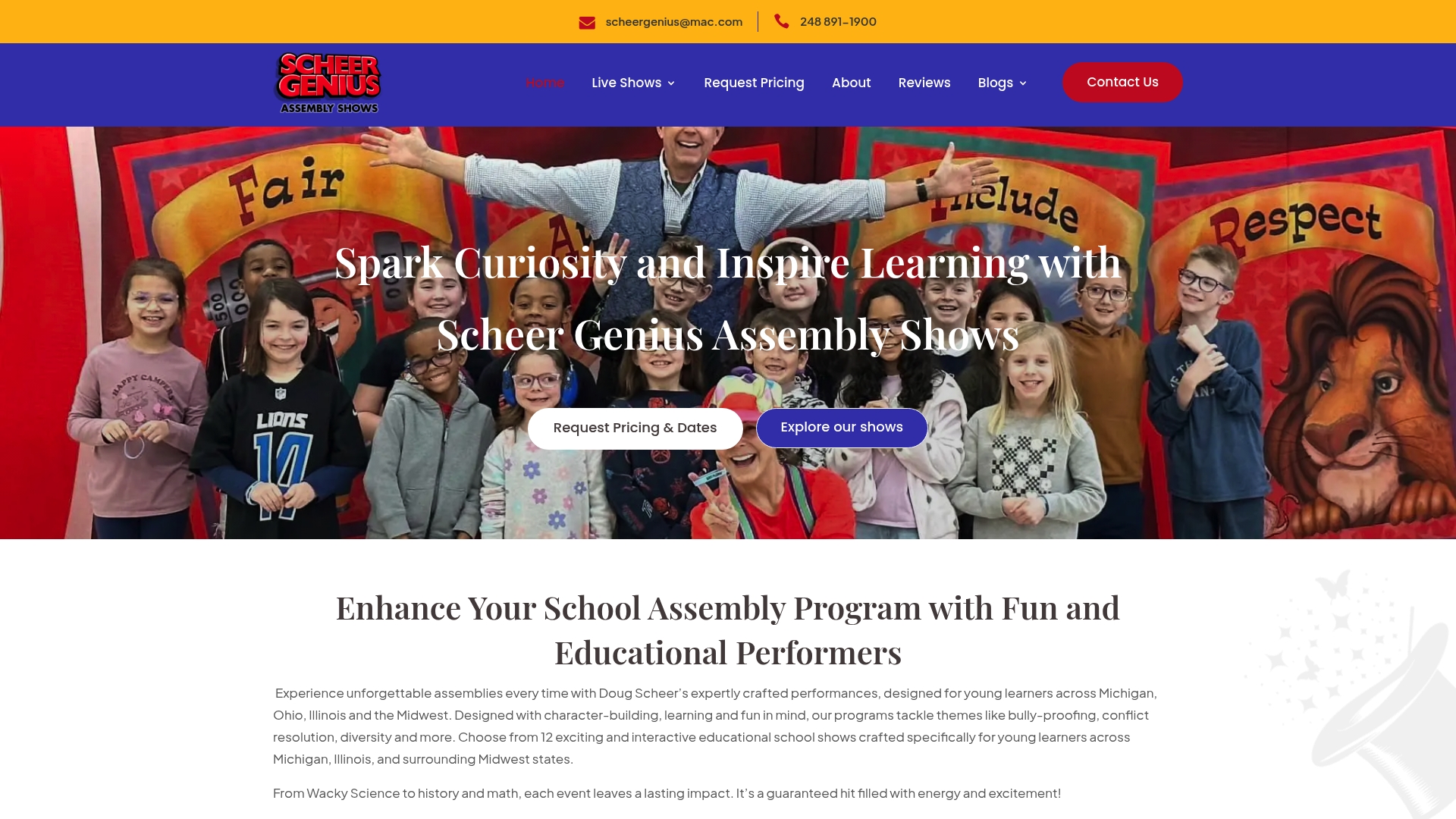
Bring curriculum-aligned fun to your school with AssemblyShows.com. Led by renowned performer Doug Scheer, our programs transform your biggest assembly challenges into inspired moments that spark curiosity and teamwork. We offer both live and virtual options across Michigan, Ohio, and beyond, so you can create engaging, interactive assemblies that connect learning with real excitement. Discover how our dynamic show options can help you apply every tip from this article. Visit https://assemblyshows.com now to secure your preferred dates and give your students an unforgettable interactive learning experience.
Frequently Asked Questions
What are some effective ways to engage students during school assemblies?
Engaging students can be achieved by setting clear objectives, incorporating interactive technology, using hands-on activities, inviting student participation, leveraging guest speakers, creating collaborative group activities, and gathering feedback for continuous improvement.
How can technology enhance school assemblies?
Technology can transform school assemblies by facilitating real-time participation through digital polling, interactive displays, augmented reality presentations, and multimedia response platforms, making the experience more engaging and memorable for students.
Why is student participation important in school assemblies?
Student participation is crucial as it transforms assemblies from passive listening experiences into dynamic learning opportunities. Engaging students in discussions and activities fosters understanding, motivation, and personal investment in the learning process.
How can feedback improve future school assemblies?
Gathering feedback from students, teachers, and administrators allows schools to assess the effectiveness of their assemblies and identify areas for improvement. This data-driven approach leads to continuous enhancement of assembly experiences, making them more relevant and engaging.