
Learning in school often brings to mind rows of desks and endless lectures, but that old picture is fading fast. New research shows students absorb and remember more when learning is fun and emotionally engaging. Turns out, laughter, games, and hands-on activities are not just a break from routine. They are the secret tools that flip school from a chore into something kids genuinely look forward to.
Table of Contents
- What Is Fun In Learning?
- Why Fun Matters In Education
- How Fun Enhances Learning Effectiveness
- Key Concepts Supporting Fun In Learning
- Real-World Applications Of Fun In Educational Settings
Quick Summary
| Takeaway | Explanation |
|---|---|
| Fun learning boosts student motivation. | Integrating enjoyable elements makes learning feel like an exciting challenge. This leads to increased student engagement. |
| Emotional engagement enhances cognitive processing. | Positive emotions during learning activities improve memory retention and attention, allowing deeper understanding of material. |
| Interactive methods create dynamic learning environments. | Incorporating games, storytelling, and collaboration transforms passive learning into active participation, promoting engagement and enjoyment. |
| Autonomy fosters intrinsic motivation. | Allowing students to choose learning experiences builds genuine interest and reduces performance anxiety, supporting a positive educational environment. |
| Game-based strategies enhance educational effectiveness. | Gamification in learning creates powerful opportunities for engagement, bringing excitement to complex subjects and improving academic performance. |
What is Fun in Learning?
Fun in learning represents an innovative educational approach that transforms traditional classroom experiences by integrating enjoyable, engaging methods into academic instruction. At its core, this concept recognizes that learning does not have to be a monotonous process but can be an exciting journey of discovery and exploration.
Defining Fun Learning Experiences
Fun learning goes beyond simple entertainment. According to research from Frontiers in Education, it involves creating educational environments that stimulate curiosity, reduce stress, and enhance student alertness. The key characteristics of fun learning include:
- Active participation from students
- Interactive and dynamic learning methods
- Elements of play and exploration
- Emotional engagement with the subject matter
How Fun Transforms Educational Engagement
When learning becomes enjoyable, students experience profound cognitive and emotional benefits. Motivation increases dramatically when educational content feels like an exciting challenge rather than a tedious requirement. Teachers who incorporate fun elements can help students develop a more positive attitude toward learning, making complex subjects more approachable.
Learn more about creating engaging educational experiences with our guide on interactive school assemblies, which demonstrate how entertainment can be a powerful learning tool.
Why Fun Matters in Education
Education is not just about transferring information but about inspiring curiosity and creating meaningful learning experiences. Fun plays a critical role in transforming traditional educational models by making learning more engaging, memorable, and personally relevant for students.
Psychological Benefits of Enjoyable Learning
Research from the United Nations Children’s Fund highlights that enjoyable learning experiences provide profound psychological advantages. When students experience positive emotions during educational activities, they develop:
Below is a table summarizing the key psychological and cognitive benefits of enjoyable, fun-based learning experiences as discussed in the article.
| Benefit | Description |
|---|---|
| Enhanced Intrinsic Motivation | Students are naturally motivated to engage with learning when activities are enjoyable. |
| Reduced Academic Stress | Positive learning environments lower anxiety and reduce fear of failure. |
| Increased Emotional Resilience | Fun learning builds students’ emotional coping skills and willingness to persist. |
| Improved Memory Retention | Emotional engagement strengthens memory and helps students retain material over time. |
| Greater Willingness to Take Risks | Enjoyable activities encourage students to attempt new challenges without fear. |
| Expanded Attention Span | Fun and engagement help sustain student attention throughout learning tasks. |
| Deeper Understanding | Positive associations enable more meaningful connections with academic content. |
- Enhanced intrinsic motivation
- Reduced academic stress
- Increased emotional resilience
- Greater willingness to take intellectual risks
Cognitive Impact of Fun Learning Strategies
Fun learning strategies go beyond momentary enjoyment. Emotional engagement directly influences cognitive processing, enabling students to absorb and retain information more effectively.
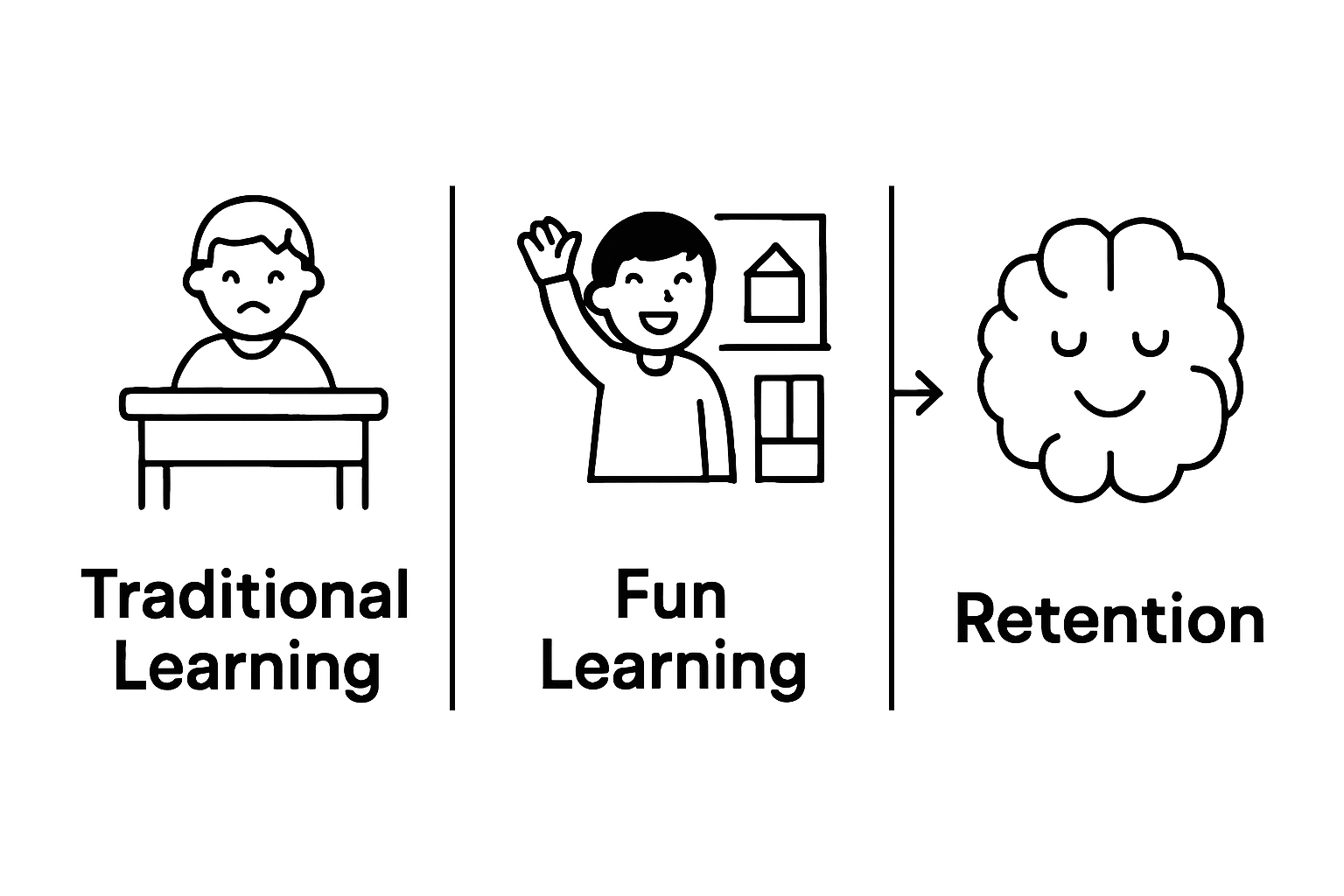 By creating positive associations with academic content, educators can help students develop deeper understanding and long term knowledge retention.
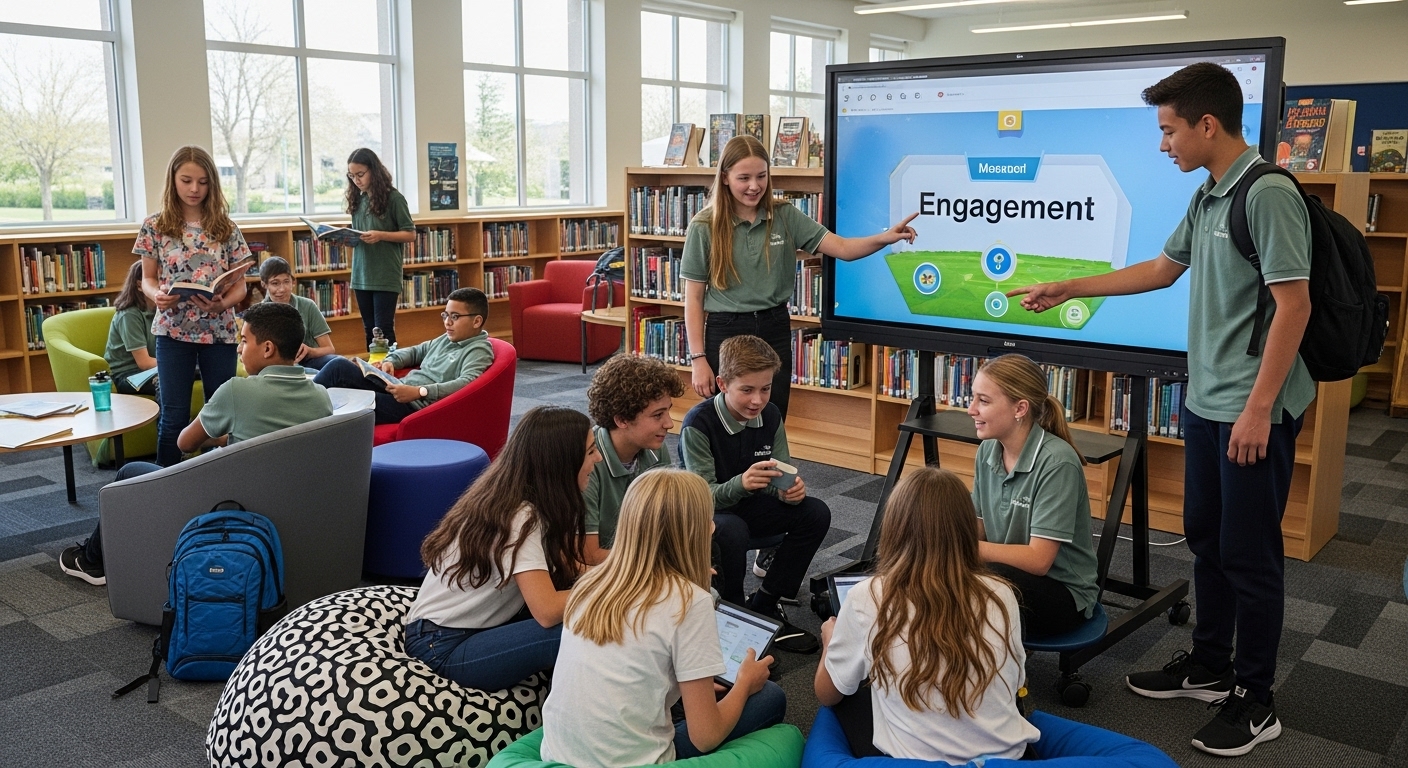
Discover innovative approaches to educational entertainment with our comprehensive guide on engaging school assembly ideas, which demonstrate how entertainment can transform learning experiences.
How Fun Enhances Learning Effectiveness
Learning effectiveness goes beyond traditional lecture methods, transforming educational experiences through engaging, enjoyable approaches that capture students’ attention and stimulate deeper cognitive processing. Fun serves as a powerful catalyst for enhanced academic performance and student engagement.
Neurological Foundations of Enjoyable Learning
Research from Frontiers in Education reveals that fun learning experiences trigger specific neurological responses that optimize knowledge retention. When students experience enjoyment during educational activities, their brains release neurotransmitters like dopamine and serotonin, which:
- Improve memory consolidation
- Increase attention span
- Reduce cognitive stress
- Enhance information processing
Practical Strategies for Implementing Fun Learning
Effective learning happens when students are emotionally invested in the educational process.
By integrating interactive, playful elements, educators can create dynamic learning environments that transform passive reception into active participation.
The following table highlights core strategies that make learning fun and turn passive instruction into active engagement, as described in the article.
| Strategy | Example Activities | Purpose |
|---|---|---|
| Educational Games | Quizzes, board games, digital apps | Increase engagement and reinforce knowledge through play |
| Collaborative Projects | Group research, building models | Foster teamwork, creativity, and hands-on learning |
| Storytelling Techniques | Narratives, role-play, character stories | Make complex concepts relatable and memorable |
| Experiential Learning Approaches | Simulations, field trips, experiments | Deepen understanding through real-world application and exploration |
| Gamified Classroom Challenges | Points, badges, competitions | Motivate students and provide immediate feedback in a playful environment |
| Interactive Digital Platforms | Online simulations, learning games | Encourage active participation and cater to different learning styles |
Explore innovative methods for creating engaging educational experiences with our comprehensive school assembly programs, which demonstrate how entertainment can be a powerful tool for learning and development.
Key Concepts Supporting Fun in Learning
Understanding fun in learning requires exploring the foundational principles that transform educational experiences from passive information transfer to dynamic, engaging interactions. These key concepts provide a comprehensive framework for integrating enjoyment into academic environments.
Psychological Principles of Engagement
Research from Frontiers in Psychology reveals that learning effectiveness is deeply connected to psychological engagement. Intrinsic motivation emerges when students find genuine interest and pleasure in the learning process. The core psychological principles supporting fun learning include:
- Creating emotional connections to subject matter
- Providing autonomy and choice in learning experiences
- Developing a growth mindset through positive educational interactions
- Reducing performance anxiety and fear of failure
Cognitive Learning Theory Applications
Cognitive learning theories demonstrate that fun is not merely a distraction but a critical mechanism for knowledge absorption. When learning becomes enjoyable, students activate multiple cognitive pathways, enabling deeper information processing, enhanced memory retention, and more complex problem solving skills.
Discover innovative approaches to making learning exciting with our engaging educational programs designed to make learning fun, which illustrate how entertainment can be a powerful educational tool.
Real-World Applications of Fun in Educational Settings
Transforming educational experiences requires moving beyond theoretical concepts to practical implementation. Real-world applications of fun in learning demonstrate how innovative approaches can revolutionize traditional teaching methods and create engaging academic environments.
Interactive Learning Environments
According to research from the Brookings Institution, game-based learning strategies offer powerful opportunities for student engagement. Practical implementations of fun learning include:
- Gamified classroom challenges
- Project-based collaborative experiences
- Simulation and role-playing activities
- Interactive digital learning platforms
Transformative Educational Strategies
Successful fun learning applications extend across multiple disciplines, demonstrating versatility in educational settings. By integrating enjoyable elements, educators can create dynamic learning experiences that capture students’ imagination and promote deeper understanding. These strategies work by converting complex academic concepts into accessible, memorable interactions that students genuinely enjoy.
Explore cutting-edge approaches to educational entertainment with our innovative school assembly programs, which showcase how engaging experiences can transform traditional learning models.
Bring the Joy of Learning to Your School Community
Are your students missing out on the excitement and deeper engagement that come from truly fun learning experiences? The article “Understanding the Importance of Fun in Learning” shows how boredom and lack of connection can hold back curiosity, retention, and enthusiasm. Many educators struggle to motivate students or make lasting academic impact when classroom learning feels stale. AssemblyShows.com tackles these challenges with curriculum-aligned school assembly programs that ignite curiosity and help your teachers create active, interactive learning environments. Our performances use play, humor, and participation to reduce stress and build strong emotional connections to academic content.
You do not have to settle for traditional lectures that students quickly forget. Choose from twelve dynamic assemblies —available live or virtually—to watch students light up with engagement and discover the power of joyful, memorable learning. Give your school the chance to experience why thousands of educators trust Doug Scheer’s programs to make education unforgettable. Explore AssemblyShows.com and see how our fun, energetic educational programs can transform your next school day. Book now and let your students experience the real benefits of fun in learning.
Frequently Asked Questions
What is fun learning?
Fun learning is an educational approach that integrates enjoyable and engaging methods into instruction, transforming traditional classroom experiences into exciting journeys of discovery.
Why is fun important in education?
Fun is important in education because it enhances student engagement, motivation, and memory retention. Engaging and enjoyable learning experiences inspire curiosity and create meaningful connections with the subject matter.
How does fun learning affect student motivation?
Fun learning can significantly increase student motivation by making educational content feel like an exciting challenge rather than a tedious requirement, promoting a more positive attitude towards learning.
What practical strategies can educators use to implement fun learning?
Educators can implement fun learning by incorporating interactive elements like educational games, collaborative projects, storytelling techniques, and experiential learning approaches, transforming passive learning into active participation.
Recommended
- Understanding Diversity and Inclusion Assemblies in Schools
- Are School Assembly Shows Truly Beneficial?
- Maybe A “Just for Fun” Assembly Show Is The Right Choice
- 8 Fun Elementary School Assembly Ideas for Engaging Students
- Discover the Importance of Laughter for a Fulfilling Life
- Understanding Why Summarize Educational Videos Matters