
Did you know that students in diverse schools can achieve higher academic success and develop greater empathy? Cultural diversity assemblies offer students real-world opportunities to expand their horizons and see the value in every background. When students experience new traditions through music, art, and stories, these moments help build social skills and break down barriers. Schools that invest in these programs help students grow into open-minded, confident citizens ready for a connected world.
Key Takeaways
| Point | Details |
|---|---|
| Cultural diversity assemblies are transformative educational experiences | They help students appreciate cultural differences and develop critical social skills for an interconnected world. |
| Diverse educational settings enhance academic and personal growth | Participation in these assemblies leads to improved academic performance, reduced prejudice, and increased empathy. |
| Effective implementation strategies are crucial for success | Schools must focus on comprehensive planning, active community involvement, and student engagement to create meaningful experiences. |
| Avoid common pitfalls to maximize impact | Schools should prioritize genuine cultural representation and ensure ongoing engagement beyond the initial assembly. |
Table of Contents
- Understanding Cultural Diversity Assemblies
- Types And Variations In School Settings
- Educational Benefits And Student Impact
- Implementation Strategies And Best Practices
- Common Mistakes And How To Avoid Them
Understanding Cultural Diversity Assemblies
Cultural diversity assemblies represent powerful educational experiences designed to help students explore, understand, and appreciate differences across cultures, backgrounds, and perspectives. These carefully curated programs go far beyond simple entertainment, serving as transformative learning opportunities that build critical social skills and foster mutual respect.
According to research from EAB, diversity initiatives in K-12 schools can yield remarkable academic and interpersonal benefits. Specifically, these programs can lead to:
- Improved academic grades and student engagement
- Reduced prejudice among students
- Enhanced leadership and civic participation skills
- Greater cross-cultural understanding and empathy
Cultural awareness isn’t just an abstract concept—it’s a practical skill students need to thrive in an increasingly interconnected world. Research by Drexel University emphasizes that culturally responsive instruction helps students develop essential life skills like open-mindedness, confidence, and the ability to navigate diverse environments.
By integrating cultural diversity assemblies into school experiences, educators create immersive, engaging opportunities for students to learn about different cultures, traditions, and perspectives.
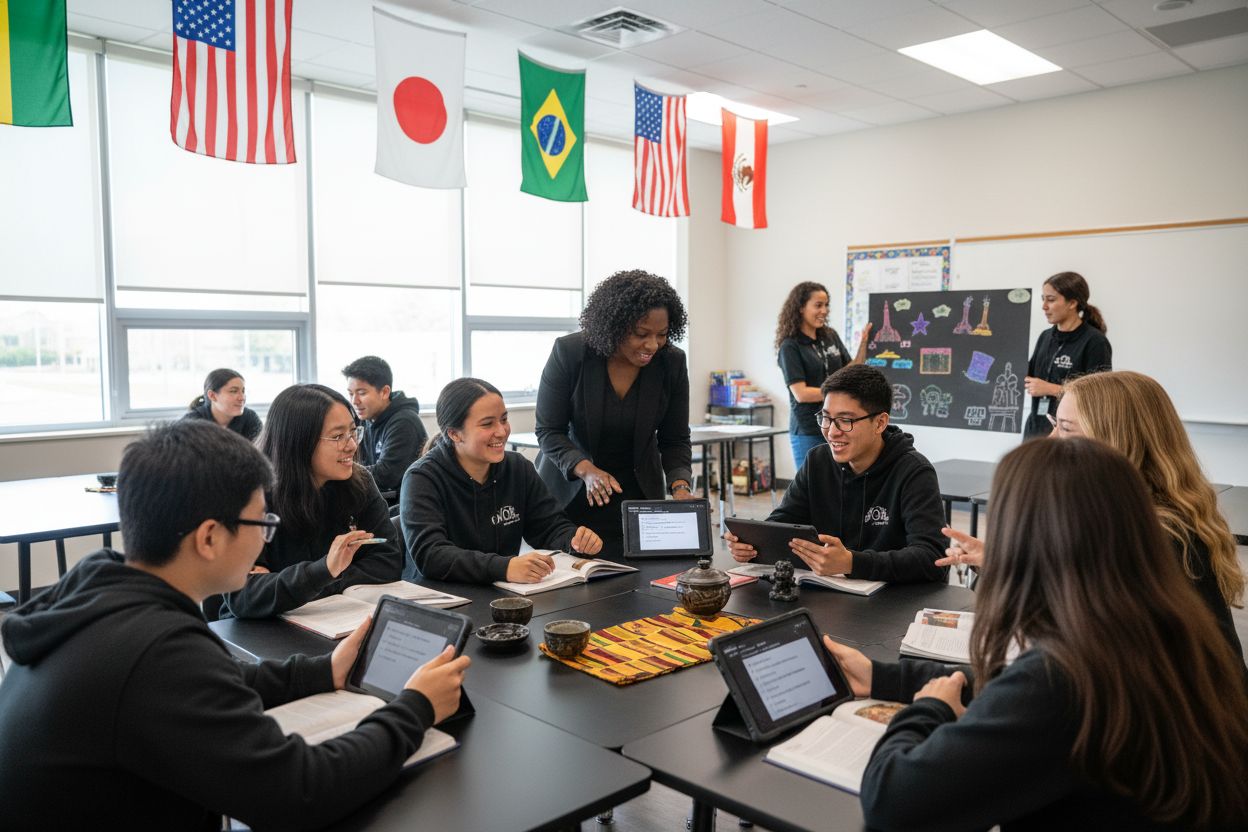 These programs break down barriers, challenge stereotypes, and create meaningful dialogue that extends far beyond the assembly hall.
Types and Variations in School Settings
Cultural diversity assemblies come in numerous engaging formats, each designed to provide students with immersive, interactive learning experiences. According to research from GigSalad, schools can leverage multiple creative approaches to showcase cultural richness and promote understanding.
Key Assembly Formats
Different cultural diversity assembly types offer unique opportunities for student engagement:
Here’s a comparison of key cultural diversity assembly formats:
| Assembly Format | Main Features | Student Engagement Style |
|---|---|---|
| Multicultural Music Shows | Live performances Global traditions | Auditory Visual Interactive |
| Dance Festivals | Traditional dance exhibitions | Physical Participatory |
| International Fashion Shows | Display of cultural attire | Visual Cultural immersion |
| Storytelling Sessions | Myths Legends Oral histories | Narrative Interactive |
- Multicultural Music Shows: Live performances featuring musical traditions from various global cultures
- Dance Festivals: Interactive exhibitions highlighting traditional dance styles
- International Fashion Shows: Displays of traditional clothing and cultural attire
- Storytelling Sessions: Narrative experiences that share cultural myths, legends, and oral histories
Research highlights that interactive storytelling and live artistic performances are particularly effective in fostering cultural empathy.
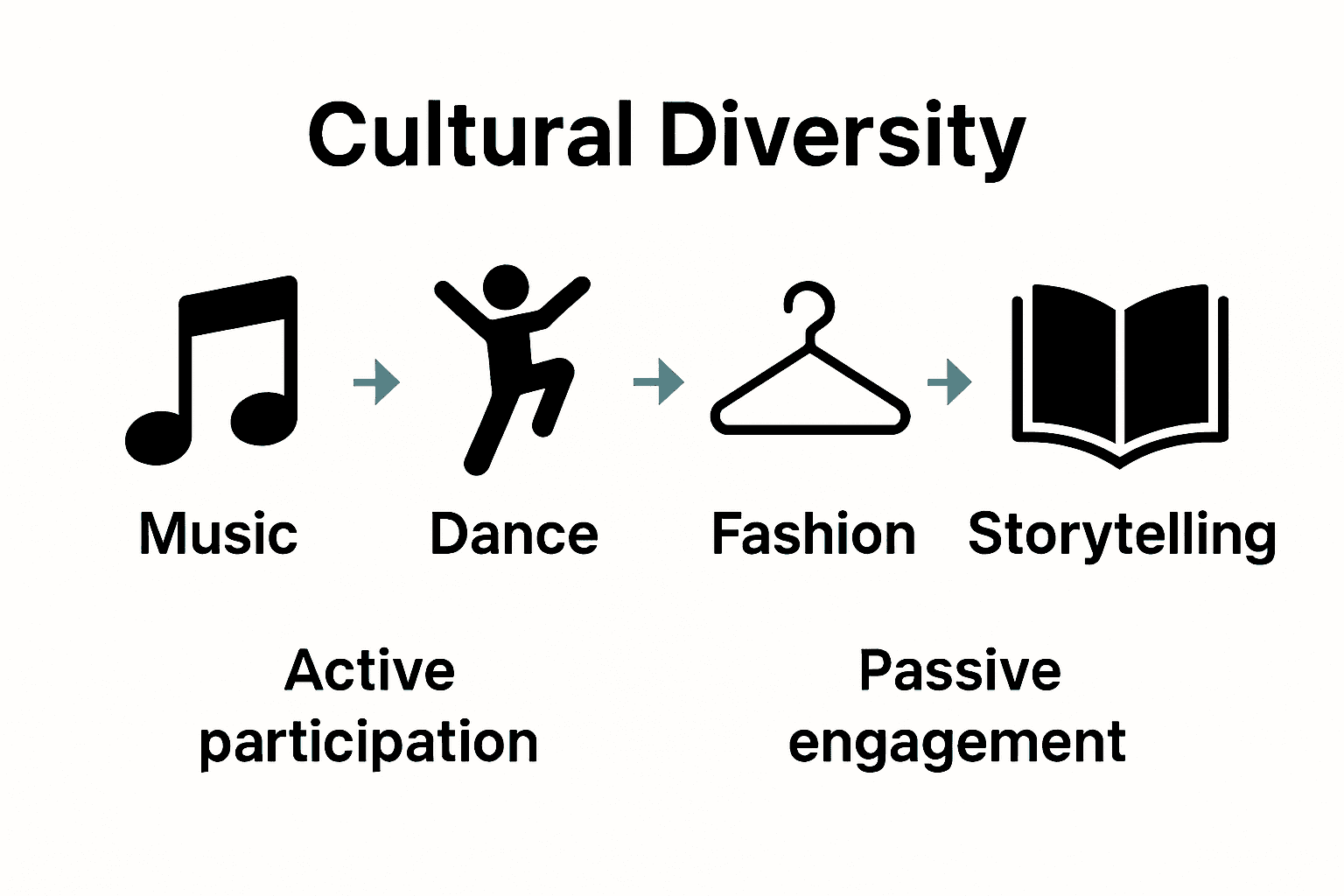 These formats move beyond passive learning, creating experiential opportunities where students can actively connect with different cultural narratives.
The most successful cultural diversity assemblies transform abstract concepts into tangible, memorable experiences. By combining visual, auditory, and interactive elements, schools can create powerful learning moments that challenge stereotypes, spark curiosity, and celebrate the beautiful complexity of human diversity. Through these carefully designed programs, students learn not just about different cultures, but develop genuine appreciation and respect for global perspectives.
Educational Benefits and Student Impact
Cultural diversity assemblies are far more than momentary educational experiences—they are transformative opportunities that shape students’ social, academic, and personal development. Understanding why educational assemblies matter reveals the profound impact these programs can have on young learners.
Long-Term Student Outcomes
According to research from The Century Foundation, diverse educational settings can produce remarkable benefits for students, including:
- Reduced racial bias and prejudice
- Enhanced cross-group friendship formation
- Increased academic confidence
- Improved leadership skills
- Better social interaction capabilities
Academic and Personal Growth emerge as critical outcomes of these diversity-focused experiences. By exposing students to different cultural perspectives, schools help them develop critical thinking skills, emotional intelligence, and a more nuanced understanding of the world around them.
Beyond immediate educational impacts, these assemblies contribute to long-term personal development. Students who participate in culturally diverse learning environments are more likely to develop adaptability, empathy, and communication skills that will serve them throughout their personal and professional lives. The lessons learned during these assemblies extend far beyond the classroom, preparing students to become thoughtful, engaged global citizens who can navigate an increasingly interconnected world with understanding and respect.
Implementation Strategies and Best Practices
Cultural diversity assemblies require strategic planning and thoughtful execution to maximize their educational impact. Understanding curriculum enrichment can help schools design more meaningful diversity programs that resonate with students.
Key Implementation Approaches
According to the National Association of Secondary School Principals (NASSP), effective cultural diversity initiatives should focus on several critical strategies:
- Comprehensive teacher and leader preparation
- Professional development focused on cultural responsiveness
- Data-informed equity strategies
- Active family and community engagement
- Formation of diverse leadership teams
Creating Meaningful Experiences
Professional teaching resources recommend several practical approaches to make cultural diversity assemblies more inclusive:
- Integrate cultural perspectives into everyday curriculum
- Promote active student voice and participation
- Develop cross-classroom collaborative projects
- Involve students in planning cultural events
Student engagement is the cornerstone of successful diversity assemblies. By creating participatory experiences that go beyond passive observation, schools can transform these programs from simple presentations into powerful learning opportunities. The goal is not just exposure to different cultures, but active learning that encourages empathy, understanding, and genuine cross-cultural appreciation.
Common Mistakes and How to Avoid Them
Cultural diversity assemblies can easily become ineffective or even counterproductive when not carefully designed. Understanding the importance of fun in learning can help schools create more meaningful and engaging diversity experiences.
Pitfalls to Recognize
Research from IELTS education resources highlights several critical mistakes schools often make:
- Superficial Representation: Creating assemblies that unintentionally reinforce cultural stereotypes
- Tokenism: Treating diversity as a checkbox rather than a genuine learning opportunity
- Disconnected Experiences: Hosting assemblies that feel detached from students’ daily lives
- Lack of Follow-up: Failing to create sustained engagement beyond the initial event
Strategies for Meaningful Diversity Programming
To avoid these common pitfalls, schools should:
- Design interactive, student-led programs
- Connect assemblies directly to ongoing curriculum
- Include comprehensive follow-up activities
- Engage local community representatives
- Ensure programs go beyond surface-level cultural demonstrations
Meaningful cultural engagement requires more than a one-time event. The most successful diversity assemblies are those that create genuine connections, challenge existing perspectives, and provide students with deep, nuanced understanding of different cultural experiences. By treating these programs as part of a comprehensive learning journey, schools can transform potentially superficial presentations into powerful educational moments that truly expand students’ worldviews.
Bring the Transformative Power of Cultural Diversity Assemblies to Your School
Are you struggling to create meaningful cultural diversity experiences that go beyond surface-level presentations? This article highlights how many schools face challenges like superficial representation, low student engagement, and disconnected learning around diversity. Authentic assemblies can bridge these gaps by providing interactive experiences that promote real understanding and empathy. If you want to make a measurable impact with assemblies that are engaging and curriculum-aligned, your next step matters.
Explore our range of interactive assembly programs designed to foster true cultural appreciation and lasting student growth.
Now is the time to transform your school’s approach to diversity. Discover how Doug Scheer and AssemblyShows.com deliver engaging, educational fun that resonates with elementary and middle school audiences. Choose from dynamic live and virtual assembly options that fit your community’s needs. Take action and visit AssemblyShows.com to book a program that moves your students from passive listening to active cultural empathy.
Frequently Asked Questions
What are cultural diversity assemblies?
Cultural diversity assemblies are educational events designed to help students explore and appreciate cultural differences, promoting mutual respect and understanding among diverse backgrounds.
What are the main benefits of cultural diversity assemblies for students?
These assemblies can lead to improved academic performance, reduced prejudice, enhanced leadership skills, and greater cross-cultural understanding among students.
How can schools ensure cultural diversity assemblies are effective?
Schools can design engaging, interactive experiences that connect directly to the curriculum, involve students in planning, and include follow-up activities to sustain engagement and learning.
What common mistakes should schools avoid when organizing cultural diversity assemblies?
Common pitfalls include superficial representation of cultures, tokenism, disconnected experiences from students’ lives, and lack of follow-up, which can all undermine the educational impact of the assemblies.
Recommended
- Understanding Diversity and Inclusion Assemblies in Schools – Scheer Genius Assembly Shows
- Books That Celebrate Diversity – Scheer Genius Assembly Shows
- 8 Secrets to teaching students of culturally diverse backgrounds – Scheer Genius Assembly Shows
- Understanding Why Host Educational Assemblies in Schools – Scheer Genius Assembly Shows