
School assemblies are meant to inspire and connect, but most students end up checking the clock or losing interest halfway through. Surprisingly, when schools use detailed observation forms, surveys, and student focus groups, they can pinpoint exactly where attention drops. In one approach, schools tracked percentages for eye contact, volunteering, and distraction, revealing that simple tweaks based on real-time feedback increased engagement rates by over 30 percent. The real breakthrough comes when schools ditch guesswork and let students themselves shape the experience.
Table of Contents
- Step 1: Assess Current Engagement Levels
- Step 2: Identify Student Interests And Preferences
- Step 3: Develop Interactive And Inclusive Assembly Plans
- Step 4: Implement Dynamic Presentation Techniques
- Step 5: Gather Feedback And Evaluate Effectiveness
Quick Summary
| Key Point | Explanation |
|---|---|
| 1. Assess current engagement levels | Conduct an assessment to understand baseline student engagement during assemblies for targeted improvements. |
| 2. Gather student interests and preferences | Use surveys and focus groups to discover topics and formats that students find engaging and memorable. |
| 3. Develop interactive assembly plans | Design assemblies to include various sensory inputs and participation methods to keep students actively involved. |
| 4. Implement dynamic presentation techniques | Utilize engaging delivery methods, storytelling, and technology to make learning enjoyable and memorable. |
| 5. Gather feedback for continuous improvement | Regularly collect and analyze feedback from students and staff to evolve assembly experiences based on their insights. |
Step 1: Assess Current Engagement Levels
Effective student engagement starts with understanding your current baseline. Before implementing any new strategies, school administrators and teachers must conduct a comprehensive assessment of existing engagement levels during school assemblies. This critical first step provides the foundation for targeted improvements and helps identify specific areas where student participation can be enhanced.
Quantitative Measurement Techniques
Begin by collecting concrete data through multiple observation methods. Classroom teachers and administrative staff should systematically track student behaviors during previous assemblies. Look for specific indicators such as attentiveness, participation rates, body language, and level of interaction. Create a standardized observation form that allows consistent tracking across different events. Key metrics should include the percentage of students making eye contact, asking questions, volunteering responses, and maintaining focused attention.
Survey instruments provide another valuable data collection approach. Design age-appropriate questionnaires that capture student perspectives about past assembly experiences. Ask specific questions about what they found engaging, what felt boring, and what would make future presentations more interesting. These insights directly from students offer unfiltered feedback about their perception of assembly experiences. Our guide on student engagement checklists can help you develop comprehensive evaluation tools.
Qualitative Assessment Strategies
Beyond numerical data, qualitative observations reveal deeper engagement nuances. Video recordings of past assemblies allow administrators to review student interactions multiple times. Watch for subtle engagement signals like sustained interest, spontaneous reactions, and group dynamics. Pay attention to moments when students seem most and least engaged. These observations help pinpoint exactly where presentations might need modification.
Consider forming a student advisory panel to provide direct feedback. Select representatives from different grade levels who can offer candid insights about assembly experiences. Their perspectives can uncover engagement barriers that adults might overlook. Document their suggestions and compare them against your quantitative data to develop a comprehensive engagement improvement strategy.
Successful assessment requires combining multiple evaluation techniques. By gathering both numerical data and qualitative insights, schools can create a robust understanding of current student engagement levels during assemblies. This comprehensive approach ensures that future improvements are data-driven and precisely targeted to student needs.
Step 2: Identify Student Interests and Preferences
Understanding what truly captivates students is fundamental to designing engaging assemblies. This step moves beyond generic approaches and delves into discovering the unique interests and learning preferences of your specific student population. By creating targeted engagement strategies, schools can transform assemblies from passive experiences into dynamic, interactive learning opportunities.
Direct Student Input Strategies
Gather comprehensive student perspectives through carefully designed research methods. Anonymous surveys work exceptionally well for collecting honest feedback. Create age-appropriate questionnaires that explore students’ entertainment preferences, learning styles, and topics that spark genuine curiosity. Ask about their favorite types of presentations, what makes an assembly memorable, and what topics they find most exciting. Encourage detailed written responses that provide nuanced insights beyond simple multiple-choice answers.
Focus groups represent another powerful technique for understanding student engagement. Select representative student groups from different grade levels and backgrounds. Facilitate structured discussions that explore their assembly experiences. Probe deeper than surface-level responses by asking provocative questions about what makes an educational presentation truly compelling. Our strategies for student engagement can help guide these exploration techniques.
Multifaceted Research Approach
Combine direct student input with observational research to create a comprehensive understanding. Collaborate with classroom teachers who interact with students daily. They can provide valuable insights into student interests, learning patterns, and engagement triggers. Analyze recent classroom projects, student-selected research topics, and extracurricular activities to identify broader thematic interests.
Consider conducting periodic student interest inventories that map evolving preferences. Modern students have diverse learning styles and rapidly changing interests. What engaged students five years ago might feel outdated today. Track generational trends by maintaining ongoing communication channels with students. Implement digital suggestion boxes, periodic focus groups, and interactive feedback mechanisms that allow continuous insight gathering.
Successful student interest identification requires a dynamic, multi-method approach. By combining direct surveys, focus group discussions, teacher observations, and continuous feedback mechanisms, schools can develop a nuanced understanding of student engagement preferences.
Below is a comparison table outlining different student input strategies covered in this section and the unique insights each approach provides.
| Input Method | Description | Unique Insights Provided |
|---|---|---|
| Anonymous Surveys | Age-appropriate questionnaires for students about their interests and memorable assemblies | Honest, broad, diverse preferences |
| Focus Groups | Structured discussions with representative student groups | Nuanced, in-depth engagement cues |
| Teacher Observations | Insights from classroom teachers about interests and engagement patterns | Patterns noticed in daily interplay |
| Student Interest Inventories | Periodic mapping of shifting preferences and learning styles | Changing trends and generational shifts |
| Digital Suggestion Boxes | Interactive digital feedback channels for students | Real-time, continuous suggestions |
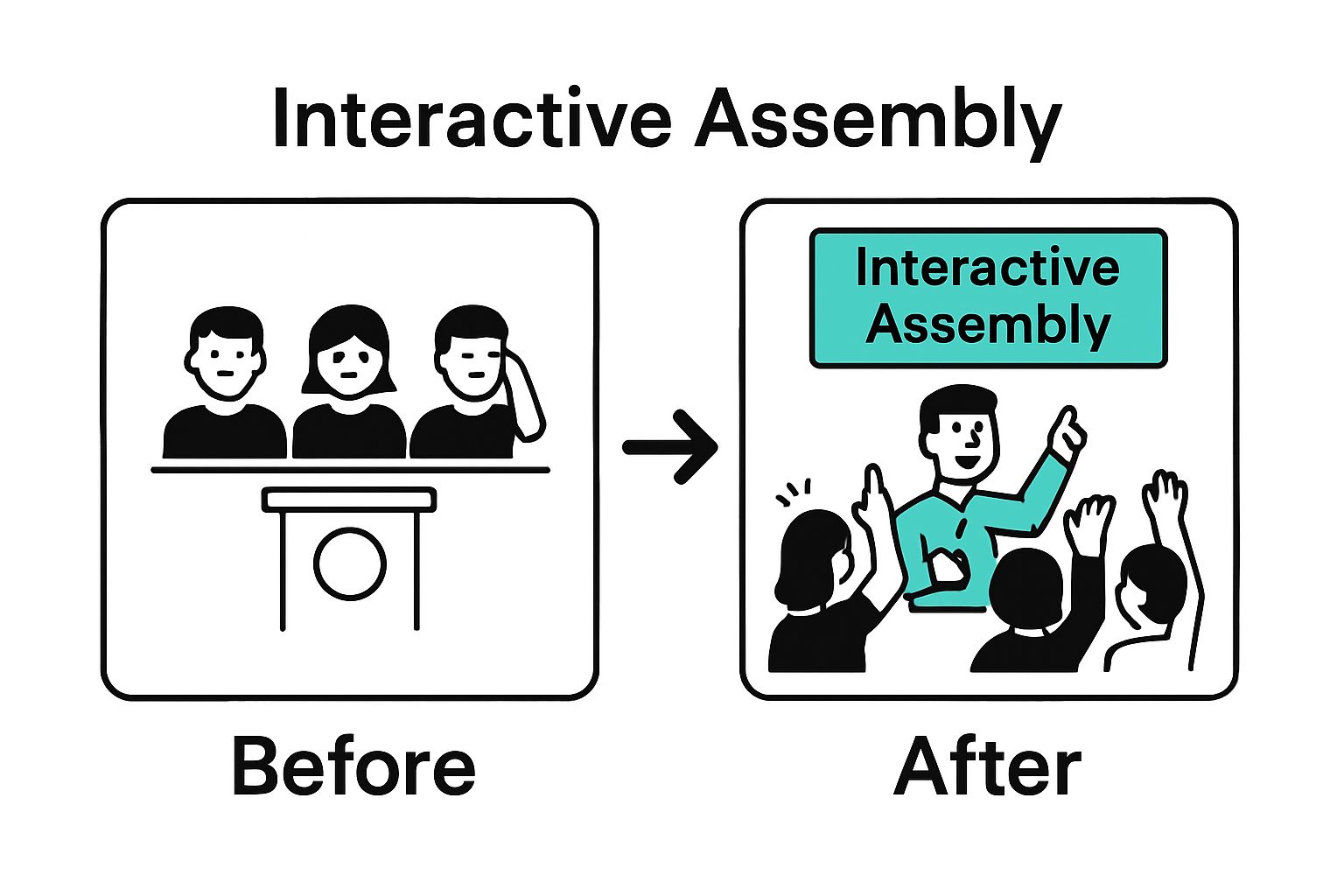
Step 3: Develop Interactive and Inclusive Assembly Plans
Creating assembly experiences that genuinely connect with students requires a strategic, thoughtful approach that prioritizes interaction and inclusivity. This step transforms traditional one-way presentations into dynamic, participatory learning opportunities that resonate with diverse student populations.
Designing Multisensory Engagement
Interactive assemblies demand carefully crafted experiences that appeal to different learning styles and engagement preferences. Incorporate multiple sensory input methods to ensure maximum participation. Visual learners benefit from dynamic multimedia presentations, while kinesthetic learners require physical movement and hands-on components. Design presentation segments that alternate between listening, watching, and participating. Integrate live demonstrations, student volunteer opportunities, and real-time problem-solving challenges that transform passive observation into active learning.
Our guide on interactive assembly techniques recommends creating modular presentation structures that allow spontaneous student involvement. Plan specific moments where students can ask questions, share personal experiences, or contribute directly to the presentation narrative. These interactive windows break traditional lecture formats and signal to students that their perspectives are valued.
Culturally Responsive Planning
True inclusivity goes beyond surface-level representation. Develop assembly content that reflects the diverse backgrounds, experiences, and perspectives within your student community. Research on inclusive educational practices emphasizes the importance of creating environments where every student feels seen and respected. Carefully review presentation materials to ensure they represent multiple cultural viewpoints, avoid stereotypical representations, and highlight diverse achievements and experiences.
Consult with student representatives and staff members from various backgrounds during the planning process. Their insights can help identify potential blind spots and ensure assembly content feels authentic and meaningful. Consider rotating presenters and themes to provide varied perspectives throughout the academic year. Implement feedback mechanisms that allow students to share their thoughts on assembly experiences, demonstrating a commitment to continuous improvement and genuine inclusivity.
Successful interactive and inclusive assembly planning requires intentional design, cultural sensitivity, and a genuine commitment to student engagement. By creating flexible, multisensory experiences that welcome diverse participation, schools can transform assemblies from mandatory events into anticipated, enriching educational moments.
Step 4: Implement Dynamic Presentation Techniques
Transforming assembly presentations from passive lectures to engaging experiences requires mastering dynamic presentation techniques that capture and maintain student attention. This step focuses on creating high-energy, interactive delivery methods that make learning feel more like entertainment than instruction.
Performance and Interaction Strategies
Effective presenters understand that delivery matters as much as content. Develop a presentation style that combines theatrical energy with educational substance. Use dramatic vocal variations, strategic movement across the stage, and unexpected visual or auditory elements that surprise and delight students. Incorporate storytelling techniques that turn complex information into memorable narratives. Our creative assembly ideas guide recommends using unexpected humor, dramatic pauses, and interactive storytelling to maintain student engagement.
Integrate physical and verbal audience participation throughout the presentation. Design specific moments where students can contribute directly to the narrative. This might include volunteer demonstrations, group problem-solving challenges, or interactive polls that require students to physically respond. Research on student engagement techniques highlights the importance of movement and active participation in maintaining student attention.
Technology and Multimedia Integration
Modern students are accustomed to rapid, multi-sensory information delivery. Leverage technology to create immersive presentation experiences. Utilize high-quality multimedia elements like dynamic video clips, interactive digital displays, and real-time audience response systems. Integrate smartphone-friendly interaction methods that allow students to participate using their own devices. This approach not only increases engagement but also meets students in their technological comfort zone.
Practice and rehearse presentation techniques to ensure smooth, natural delivery. Record practice sessions and review them critically. Pay attention to pacing, energy levels, and moments of potential student disengagement. Develop a flexible presentation approach that allows for real-time adjustments based on audience response. Skilled presenters can read the room and modify their approach instantaneously to maintain student interest.
This table summarizes key dynamic presentation techniques mentioned in the article, showing the specific method, its purpose, and the expected impact on student engagement.
| Technique | Purpose | Expected Engagement Impact |
|---|---|---|
| Storytelling | Turn complex information into memorable narratives | Increased attention and recall |
| Dramatic Vocal Variation | Capture and hold audience interest | Sustained focus |
| Interactive Polls/Demos | Direct student involvement in the experience | Active participation |
| Humor and Dramatic Pauses | Surprise and delight students for emotional connectivity | Emotional engagement |
| Multimedia Integration | Use of videos and digital displays to vary sensory input | Multi-sensory stimulation |
| Real-Time Technology Use | Smartphone or audience-response systems for live interaction | Engagement through familiar tech |
| Physical Movement | Encourage participation through movement and hands-on activities | Higher energy and attention |
Successful dynamic presentation techniques combine theatrical performance, interactive design, and technological integration.
By transforming assemblies from passive information delivery to immersive, participatory experiences, schools can create memorable learning moments that students genuinely enjoy and remember.
Step 5: Gather Feedback and Evaluate Effectiveness
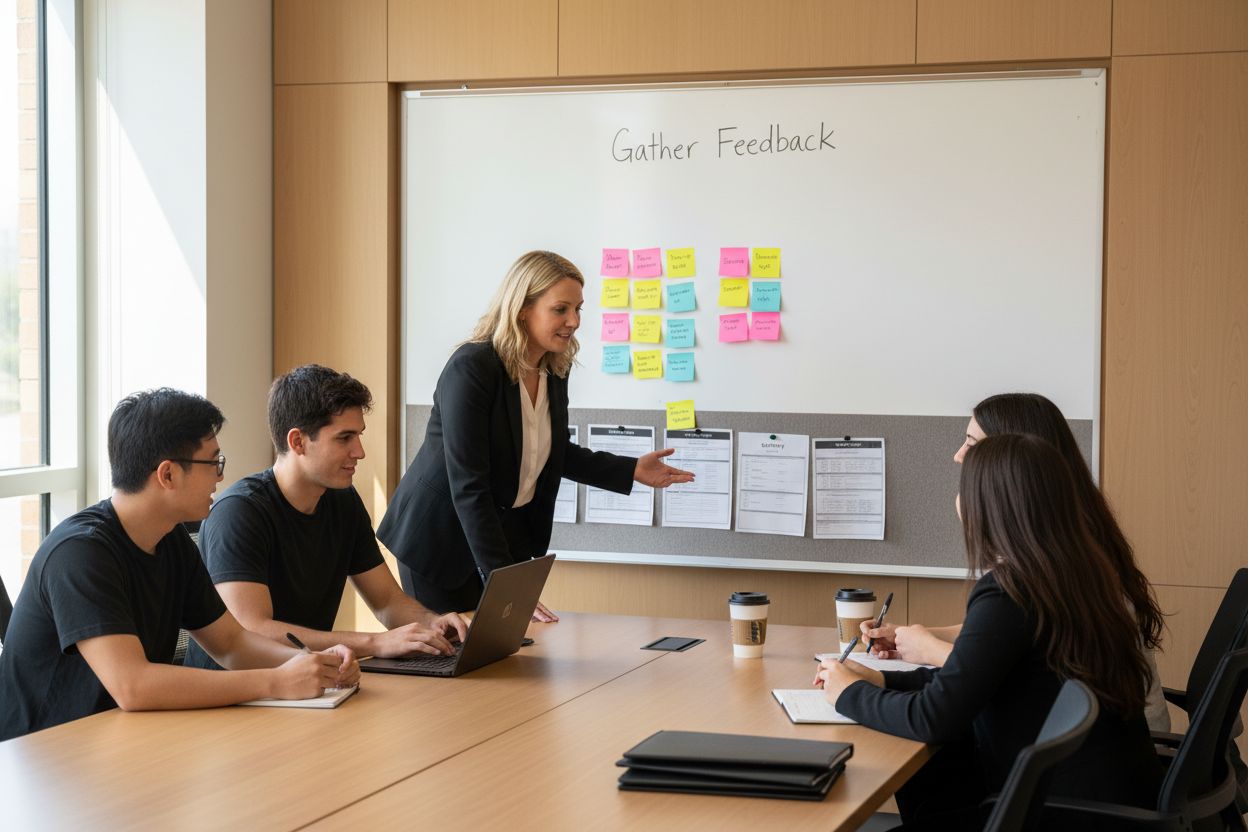
Continuous improvement requires systematic feedback collection and rigorous performance evaluation. This critical step transforms assembly experiences from static events into adaptive, evolving learning opportunities that respond directly to student and staff insights.
Comprehensive Feedback Collection
Design multilayered feedback mechanisms that capture nuanced perspectives from different stakeholders. Create targeted surveys for students, teachers, and administrators that go beyond simple satisfaction ratings. Develop questionnaires with open-ended questions that encourage detailed, constructive responses. Implement digital survey tools that allow anonymous submissions, ensuring participants feel comfortable providing honest feedback. Quantitative metrics should measure engagement levels, while qualitative responses reveal deeper insights into assembly effectiveness.
Our student engagement checklists recommend establishing a structured feedback framework that tracks multiple performance indicators. Consider creating focus groups with student representatives from different grade levels and backgrounds. These small group discussions can uncover insights that traditional surveys might miss. Schedule debriefing sessions immediately after assemblies, capturing impressions while experiences are still fresh in participants’ minds.
Data Analysis and Continuous Improvement
Collecting feedback represents only the first phase of evaluation. The real value emerges through systematic data analysis and strategic implementation of insights. Develop a standardized rubric for analyzing feedback that considers multiple dimensions of assembly performance. Look for patterns in student responses, identifying consistent themes or recurring suggestions. Pay special attention to demographic variations that might indicate different engagement preferences across student groups.
Research on educational engagement emphasizes the importance of transforming feedback into actionable improvement strategies. Create a collaborative review process that involves administrators, teachers, and student representatives. Schedule quarterly meetings to review assembly performance data, discuss emerging trends, and develop targeted enhancement strategies. Implement a transparent tracking system that demonstrates how student feedback directly influences future assembly design.
Successful feedback evaluation is an ongoing, dynamic process. By creating robust collection mechanisms, performing thorough data analysis, and demonstrating a genuine commitment to continuous improvement, schools can develop assembly experiences that consistently evolve to meet students’ changing educational and engagement needs.
Ready to Transform Your Student Assemblies?
Are you struggling to move beyond passive presentations and truly boost student engagement during assemblies? If you want assembly experiences filled with student interaction, energy, and lasting educational value, your next step is here. Explore our Assemblies Archives to see how schools across your region elevate participation and excitement with expert strategies tailored to your goals.
Doug Scheer and the team at AssemblyShows.com blend curriculum-aligned learning with dynamic performance, meeting every point detailed in your engagement strategy. Choose from live and virtual assemblies that spark curiosity and motivate every learner. Discover how your next school assembly can be the most interactive, inclusive, and effective event your students have ever experienced. Reserve your date today for maximum impact this school year.
Frequently Asked Questions
How can I assess current engagement levels in school assemblies?
To assess current engagement levels, collect quantitative data by observing student behaviors during past assemblies. Track indicators like attentiveness and participation, using a standardized observation form to analyze these metrics over several events.
What strategies can I use to identify student interests for assemblies?
Gather student interests by conducting anonymous surveys or focus groups that explore their preferences and engagement triggers. Create a mix of open-ended and specific questions to gain deeper insights on topics that captivate your students.
How can I design inclusive assembly plans that engage all students?
Develop inclusive assembly plans by ensuring that content reflects the diverse backgrounds of your student population. Involve student representatives in the planning process to help identify different perspectives and ensure that assembly materials resonate with all students.
What dynamic presentation techniques can boost student engagement during assemblies?
Implement dynamic presentation techniques such as storytelling, audience participation, and multimedia elements to capture attention. Incorporate interactive moments where students can ask questions or share experiences, making the presentation feel like an engaging conversation rather than a lecture.
How should I gather feedback after an assembly to evaluate effectiveness?
Collect feedback by creating structured surveys that include both quantitative metrics and open-ended qualitative insights. Use this information to identify themes and areas for improvement, and analyze the data to implement changes for future assemblies.
What steps should I take to continuously improve assembly engagement?
Establish a routine feedback mechanism and analyze the collected data regularly to inform your assembly planning. Schedule quarterly reviews to discuss student feedback and adapt future assemblies based on recurring insights, aiming for an improvement of at least 20% in engagement levels over the following events.
Recommended
- 7 Essential Interactive Assembly Tips for Schools – Scheer Genius Assembly Shows
- Understanding Why Host Educational Assemblies in Schools – Scheer Genius Assembly Shows
- 8 Creative Middle School Assembly Ideas to Engage Students – Scheer Genius Assembly Shows
- Understanding Why Elementary Assemblies Matter for Schools – Scheer Genius Assembly Shows