
Did you know that schools with active diversity programs report up to 60 percent higher student engagement? As classrooms grow more culturally rich each year, students need spaces where every background and voice is respected. Diversity assemblies give schools a way to help kids understand and appreciate each other while tackling tough issues like bias and inclusion. These unique gatherings help students connect and grow as a community.
Key Takeaways
| Point | Details |
|---|---|
| Strategic Importance | Diversity assemblies are essential for cultivating understanding, respect, and inclusion among diverse student populations. |
| Types of Assemblies | Key types include Cultural Heritage, Social Identity and Equity, and Identity Awareness assemblies, each serving unique educational purposes. |
| Benefits | They enhance cultural competence, empathy, and critical thinking while validating student identities and promoting positive school culture. |
| Legal Considerations | Schools must navigate legal requirements to ensure inclusion, representation, and student safety during diversity assembly planning and execution. |
Defining Diversity Assemblies in Schools
Diversity assemblies represent strategic educational experiences designed to promote understanding, respect, and inclusion among students from varied backgrounds. According to New York City Department of Education, these programs aim to create learning environments that authentically reflect the rich tapestry of cultural identities, racial backgrounds, and socioeconomic experiences within schools.
These specialized assemblies go beyond traditional school gatherings by intentionally addressing complex topics like cultural awareness, racial understanding, and social equity. They serve multiple critical purposes:
- Introducing students to diverse perspectives
- Challenging stereotypes and prejudices
- Developing empathy and cross-cultural communication skills
- Creating safe spaces for meaningful dialogue
Key Components of effective diversity assemblies typically include interactive presentations, storytelling, multimedia experiences, and opportunities for student reflection. The goal is not just passive learning, but active engagement that encourages students to recognize and celebrate differences while understanding our shared human experiences.
Successful diversity assemblies require thoughtful planning and a commitment to creating inclusive environments. Understanding Diversity and Inclusion Assemblies in Schools suggests that schools should approach these programs with sensitivity, ensuring content is age-appropriate, engaging, and designed to foster genuine understanding among students from all backgrounds.
Major Types of Diversity Assemblies
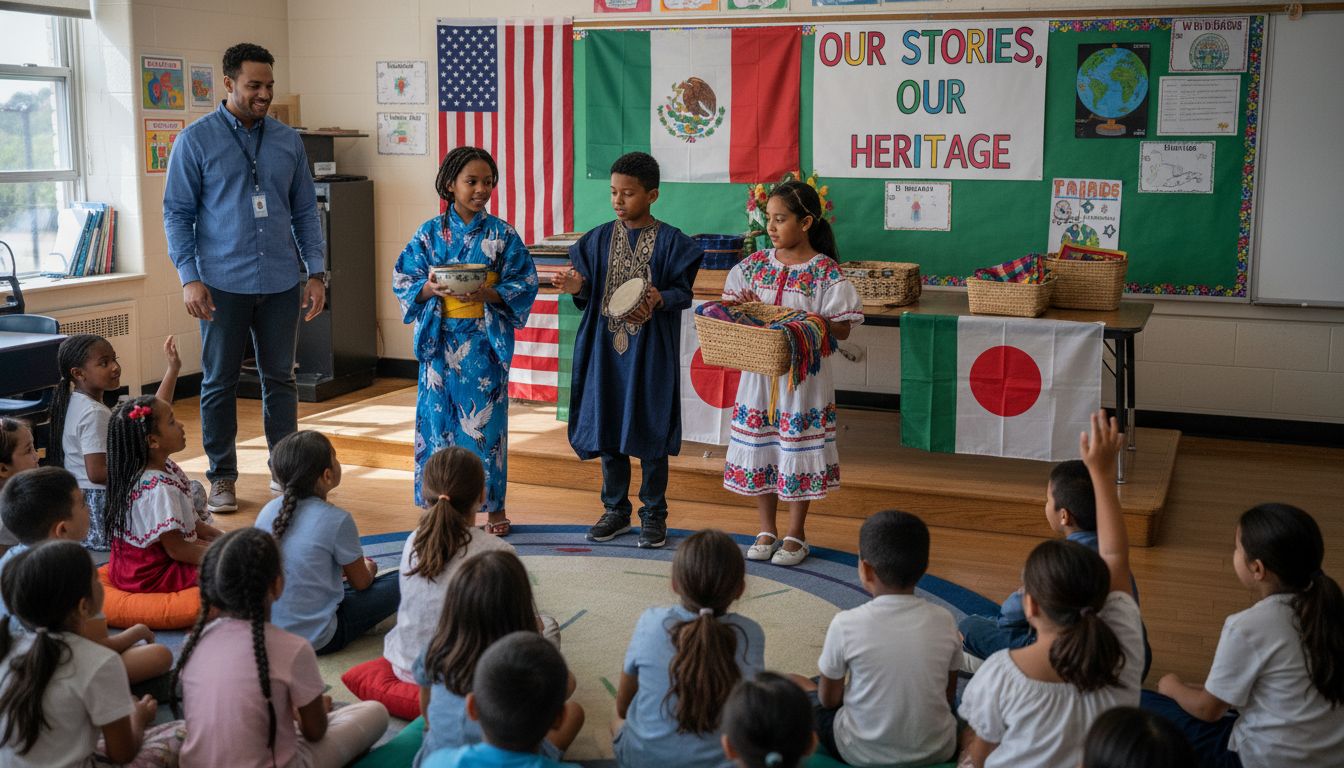
Cultural Heritage Assemblies represent one of the most foundational approaches to diversity programming in schools. According to ASCD, schools can organize assemblies that celebrate various cultural heritages, creating spaces for students to learn about and appreciate different backgrounds and traditions. These events often feature presentations, performances, and storytelling that highlight unique cultural experiences.
Another critical type of diversity assembly focuses on Social Identity and Equity. New York City Department of Education emphasizes that these assemblies may concentrate on topics such as racial background, cultural identity, and socioeconomic status to reflect the multifaceted nature of student populations. These assemblies typically include:
- Exploring historical struggles for equality
- Discussing contemporary social justice issues
- Promoting empathy and understanding across different groups
- Challenging systemic biases and stereotypes
Some schools also implement Identity Awareness Assemblies that provide dedicated platforms for marginalized or underrepresented student groups to share their experiences. These powerful sessions help build mutual respect and create environments where every student feels valued and heard. Understanding Diversity Sets Children Up for Social Success suggests that such assemblies play a crucial role in developing students’ social and emotional intelligence.
Specialized diversity assemblies can also include themed programs like Multicultural Celebration Days, Historical Recognition Events, and Inclusive Leadership Workshops. The primary goal remains consistent: creating educational experiences that promote understanding, respect, and genuine connection across different student backgrounds.
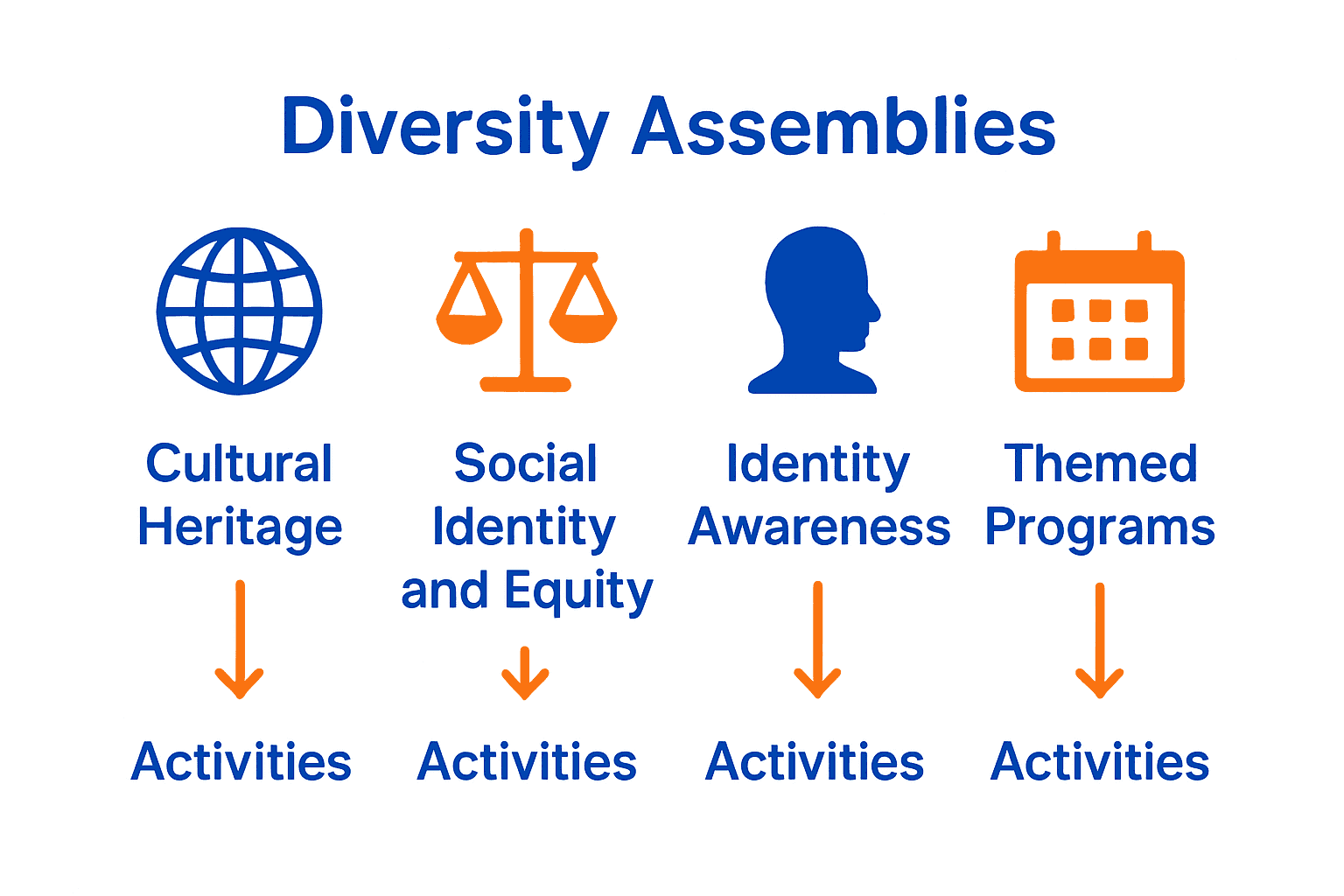
Here’s a summary of the major types of diversity assemblies:
| Assembly Type | Main Focus | Typical Activities |
|---|---|---|
| Cultural Heritage Assemblies | Celebrating diverse backgrounds & traditions | Performances Storytelling Presentations |
| Social Identity and Equity | Social justice & equity issues | Historical discussions Equity workshops |
| Identity Awareness Assemblies | Highlighting marginalized voices | Personal stories Panel discussions |
| Themed Programs | Special events & skill-building | Multicultural days Leadership workshops |
Core Benefits and Educational Impact
Identity Validation emerges as a fundamental benefit of diversity assemblies. According to ASCD, these programs can profoundly validate students’ identities, fostering respect for all groups and contributing to a positive school culture. By creating environments where every student feels seen and acknowledged, schools transform these assemblies into powerful platforms for emotional and social growth.
The educational impact of diversity assemblies extends far beyond momentary awareness. These programs cultivate critical skills that prepare students for an increasingly interconnected global society:
- Developing cultural competence
- Enhancing empathy and emotional intelligence
- Breaking down social barriers
- Promoting critical thinking about complex social issues
Moreover, diversity assemblies serve as transformative experiences that challenge existing prejudices and stereotypes. By exposing students to different perspectives, these programs help dismantle unconscious biases and create pathways for genuine understanding. Understanding Why Host Educational Assemblies in Schools suggests that such experiences are crucial in developing well-rounded, socially aware students who can navigate diverse environments with respect and curiosity.
Perhaps most importantly, diversity assemblies contribute to building inclusive school communities where differences are not just tolerated, but celebrated. They provide structured opportunities for students to learn about themselves and others, ultimately preparing them to become compassionate, informed citizens who can contribute positively to a multicultural society.
Legal and Policy Considerations for Schools
Diversity assemblies operate within a complex legal landscape that requires careful navigation. According to U.S. Department of Justice, schools must proactively develop strategies that promote diversity while maintaining legal compliance. This involves creating programs that celebrate differences without inadvertently creating new forms of discrimination.
Key legal considerations for implementing diversity assemblies include:
- Ensuring equal representation and participation
- Avoiding discriminatory language or practices
- Protecting student privacy and individual rights
- Maintaining neutrality in discussing sensitive topics
- Providing opt-out alternatives when necessary
Policy Framework plays a crucial role in guiding these initiatives. New York City Department of Education emphasizes the importance of developing comprehensive diversity and inclusion policies that provide clear guidelines for creating inclusive environments. These policies serve as roadmaps for schools to implement meaningful diversity assemblies that respect legal boundaries while fostering understanding.
How to Ensure Student Safety highlights that legal considerations extend beyond content to include practical implementation. Schools must develop robust protocols that protect student well-being, ensure meaningful engagement, and create safe spaces for dialogue about complex social issues. This approach requires ongoing training, careful planning, and a commitment to creating inclusive educational experiences that respect both individual rights and collective understanding.
Best Practices for Planning Effective Assemblies
Planning diversity assemblies requires a strategic and thoughtful approach. According to ASCD, effective diversity assemblies must ensure representation of various racial and ethnic groups, fostering an inclusive school culture. This means going beyond surface-level representation to create meaningful, engaging experiences that genuinely promote understanding.
Key planning considerations include:
- Conducting pre-assembly student and staff surveys
- Selecting diverse presenters and content creators
- Developing age-appropriate, nuanced content
- Creating interactive engagement opportunities
- Preparing follow-up resources and discussion guides
Comprehensive Preparation is critical for successful diversity assemblies. Schools must invest time in careful content development, ensuring that presentations are both informative and sensitive. 7 Essential Interactive Assembly Tips for Schools emphasizes the importance of creating dynamic, participatory experiences that encourage active learning and meaningful dialogue.
Ultimately, successful diversity assemblies transform from mere events into powerful learning opportunities. This requires ongoing commitment, continuous feedback, and a willingness to adapt. School leaders must approach these assemblies as part of a broader strategy of cultural competence and mutual understanding, recognizing that true inclusion is an evolving, collaborative process that extends far beyond a single presentation.
Elevate Your School’s Inclusion Efforts with Engaging Diversity Assemblies
Promoting genuine understanding and respect among students is a challenge every school faces today. As the article highlights, thoughtfully planned diversity assemblies are essential for validating identities, breaking down social barriers, and fostering empathy. If your goal is to create an inclusive space where every voice is heard and cultural competence thrives, turning to professional educational assemblies can make a real difference.
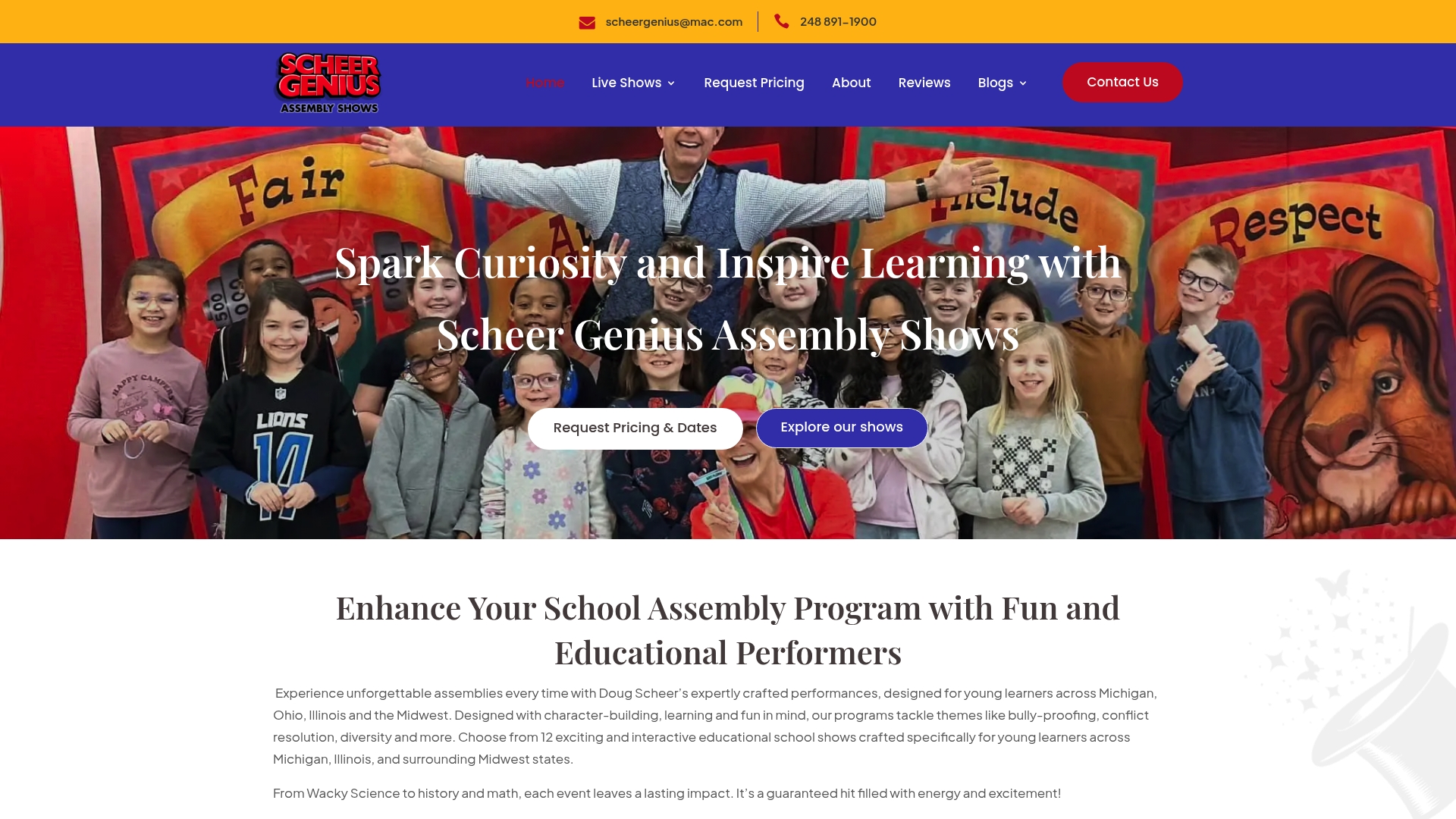
Discover how AssemblyShows.com helps schools across the Midwest bring these vital lessons to life through high-energy, interactive programs designed to engage and inspire. Explore our wide selection of carefully crafted assemblies that align with your diversity and inclusion goals. Whether live or virtual, each experience is led by veteran performer Doug Scheer, blending curriculum-rich content with fun to create memorable moments. Visit AssemblyShows.com now and take the first step toward transforming your school community through impactful diversity assemblies. Act today to secure your spot for this school year and empower your students to embrace respect and understanding.
Frequently Asked Questions
What are diversity assemblies in schools?
Diversity assemblies are educational experiences designed to promote understanding, respect, and inclusion among students from varied backgrounds. They aim to create authentic learning environments reflecting diverse cultural identities, racial backgrounds, and socioeconomic experiences.
What are the main types of diversity assemblies?
The major types of diversity assemblies include Cultural Heritage Assemblies, Social Identity and Equity Assemblies, Identity Awareness Assemblies, and themed programs like Multicultural Celebration Days and Inclusive Leadership Workshops, each focusing on different aspects of diversity and inclusion.
What are the key benefits of diversity assemblies for students?
Diversity assemblies provide significant benefits such as identity validation, development of cultural competence, enhancement of empathy and emotional intelligence, and breaking down social barriers, all of which prepare students for an interconnected global society.
How can schools plan effective diversity assemblies?
Effective planning involves conducting pre-assembly surveys, selecting diverse presenters, creating engaging and age-appropriate content, and providing interactive opportunities for engagement. Comprehensive preparation is essential to ensure meaningful and educational experiences.