
Student engagement is the heart of any successful classroom, and yet many teachers find themselves puzzled by the disconnect between participation and actual learning. Most educators assume that quiet students are simply disinterested, but nonverbal cues often reveal more about engagement than verbal responses. What really drives a meaningful learning environment is spotting these hidden signals and using them to transform the way students connect with their education.
Table of Contents
- Step 1: Assess Current Engagement Levels
- Step 2: Identify Key Engagement Strategies
- Step 3: Implement Interactive Learning Activities
- Step 4: Monitor Student Feedback Regularly
- Step 5: Adjust Approaches Based On Feedback
Quick Summary
| Key Point | Explanation |
|---|---|
| 1. Assess current engagement levels thoroughly | Monitor student interactions and behaviors to understand participation and motivation patterns in the classroom. |
| 2. Tailor strategies to diverse learning styles | Develop flexible engagement techniques that cater to individual student needs and preferences for effective learning. |
| 3. Implement interactive learning activities | Design active, hands-on experiences that engage students and promote critical thinking through collaborative efforts. |
| 4. Regularly monitor and respond to feedback | Create safe spaces for students to express their thoughts while adapting teaching methods based on their suggestions. |
| 5. Adjust approaches based on collected insights | Use feedback to make ongoing improvements in educational strategies, ensuring a responsive and student-centered learning environment. |
Step 1: Assess Current Engagement Levels
Assessing current student engagement levels is a critical foundational step in transforming classroom dynamics and learning outcomes. This initial diagnostic phase provides educators with invaluable insights into existing student motivation, participation, and interaction patterns. By conducting a comprehensive evaluation, schools can develop targeted strategies that address specific engagement challenges.
The assessment process begins with multiple observation techniques that go beyond traditional metrics. Teachers should start by carefully monitoring classroom interactions, paying close attention to student body language, verbal participation, and overall attentiveness during lessons. Nonverbal cues often reveal more about engagement than verbal responses. Look for signs like sustained eye contact, active note taking, spontaneous questions, and genuine curiosity demonstrated through facial expressions and physical positioning.
Several strategic tools can support this assessment. Explore our guide on student engagement checklists to understand comprehensive evaluation methods. Recommended assessment strategies include:
- Conducting anonymous student surveys that probe learning preferences
- Implementing short periodic feedback sessions
- Using digital tracking tools that measure interaction and participation rates
- Analyzing assignment completion rates and quality of student work
Successful engagement assessment requires a holistic approach that considers individual student differences. Recognize that engagement manifests differently across learning styles, personalities, and academic backgrounds. Some students might demonstrate engagement through quiet reflection, while others show enthusiasm through active discussion. Avoid assuming low participation automatically indicates disinterest.
Documenting your findings systematically is crucial. Create a detailed baseline report capturing current engagement metrics, including participation rates, motivation levels, and identified barriers. This documentation will serve as a reference point for measuring future improvements and tailoring intervention strategies.
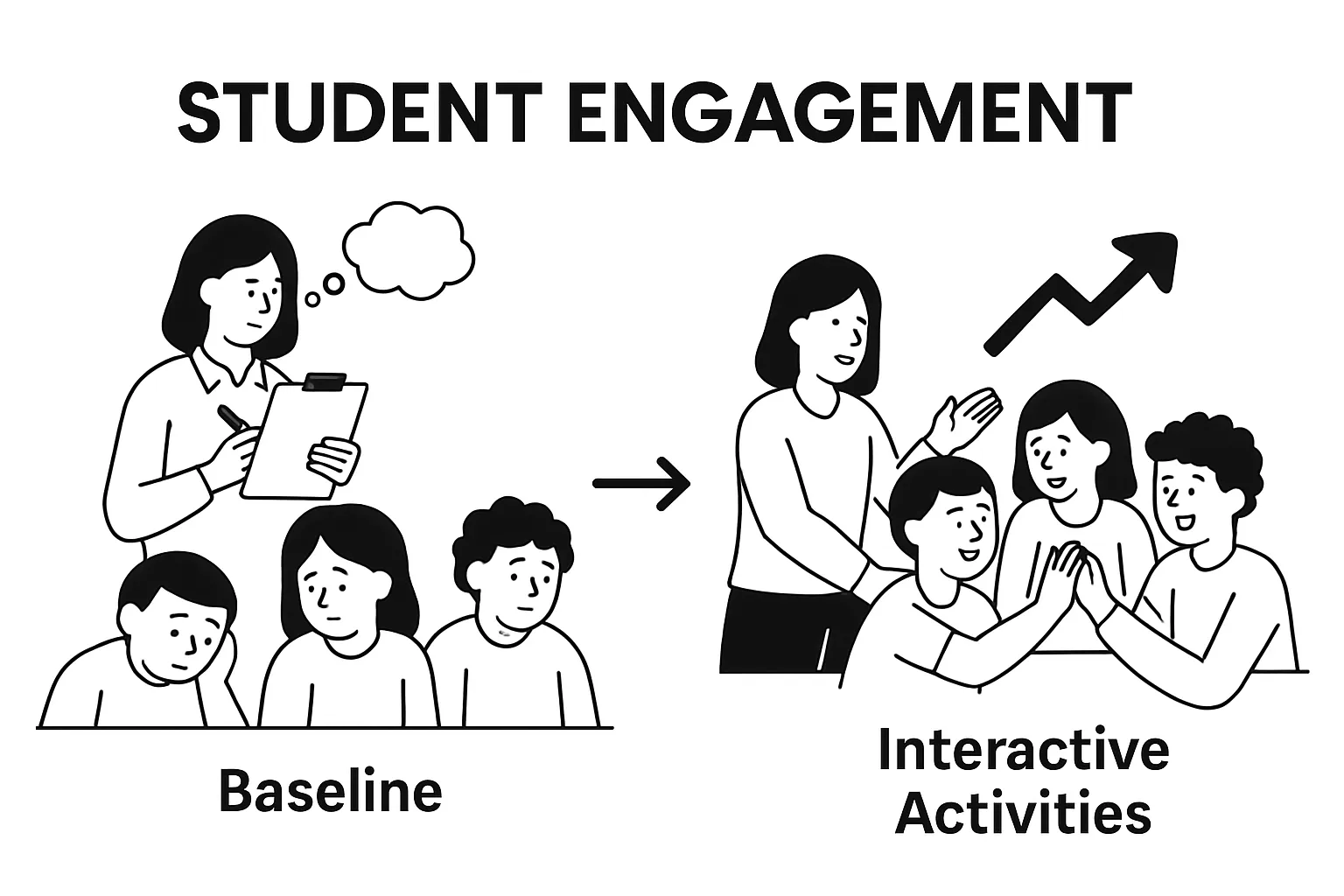 Regularly update this assessment to track progress and adjust approaches as student dynamics evolve.
Verification of a successful assessment includes having a clear, comprehensive understanding of your classroom’s current engagement landscape, with specific insights into individual and collective student interaction patterns. The goal is not perfection but continuous improvement and personalized learning support.
Step 2: Identify Key Engagement Strategies
Identifying key engagement strategies transforms the foundational assessment into actionable classroom improvements. This critical step requires educators to translate diagnostic insights into targeted interventions that resonate with diverse student learning styles and motivational needs. The goal is creating a dynamic learning environment that naturally draws students into active participation.
Successful strategy development begins with understanding individual student profiles generated during the initial assessment. Each classroom presents a unique ecosystem of learners with varied interests, cognitive abilities, and emotional responses to learning. Educators must craft flexible approaches that accommodate these differences while maintaining consistent educational objectives.
Research from educational psychology experts confirms that multisensory engagement techniques significantly enhance student motivation. Interactive learning strategies should incorporate visual, auditory, and kinesthetic elements that appeal to different learning preferences. This might involve integrating technology, hands on projects, collaborative group work, and personalized learning pathways.
Key engagement strategies to consider include:
- Implementing project based learning modules
- Utilizing digital interactive tools and platforms
- Creating student led discussion opportunities
- Developing personalized learning tracks
Teachers must remain adaptable and willing to experiment with different approaches. What works brilliantly in one classroom might require subtle modifications in another. Continuous observation and willingness to adjust strategies are crucial. Pay attention to student energy levels, curiosity, and voluntary participation as indicators of strategy effectiveness.
Technology can be a powerful ally in engagement strategy development.
Digital platforms offering real time feedback, interactive learning modules, and gamification elements can transform traditional learning experiences. However, technology should complement rather than replace meaningful human interaction and personalized instruction.
Verification of successful strategy identification involves observable increases in student participation, improved classroom dynamics, and enhanced motivation. Look for signs like increased voluntary question asking, more enthusiastic group collaboration, and students demonstrating genuine curiosity about learning materials. The ultimate measure of success is not just compliance but intrinsic motivation and intellectual excitement.
Step 3: Implement Interactive Learning Activities
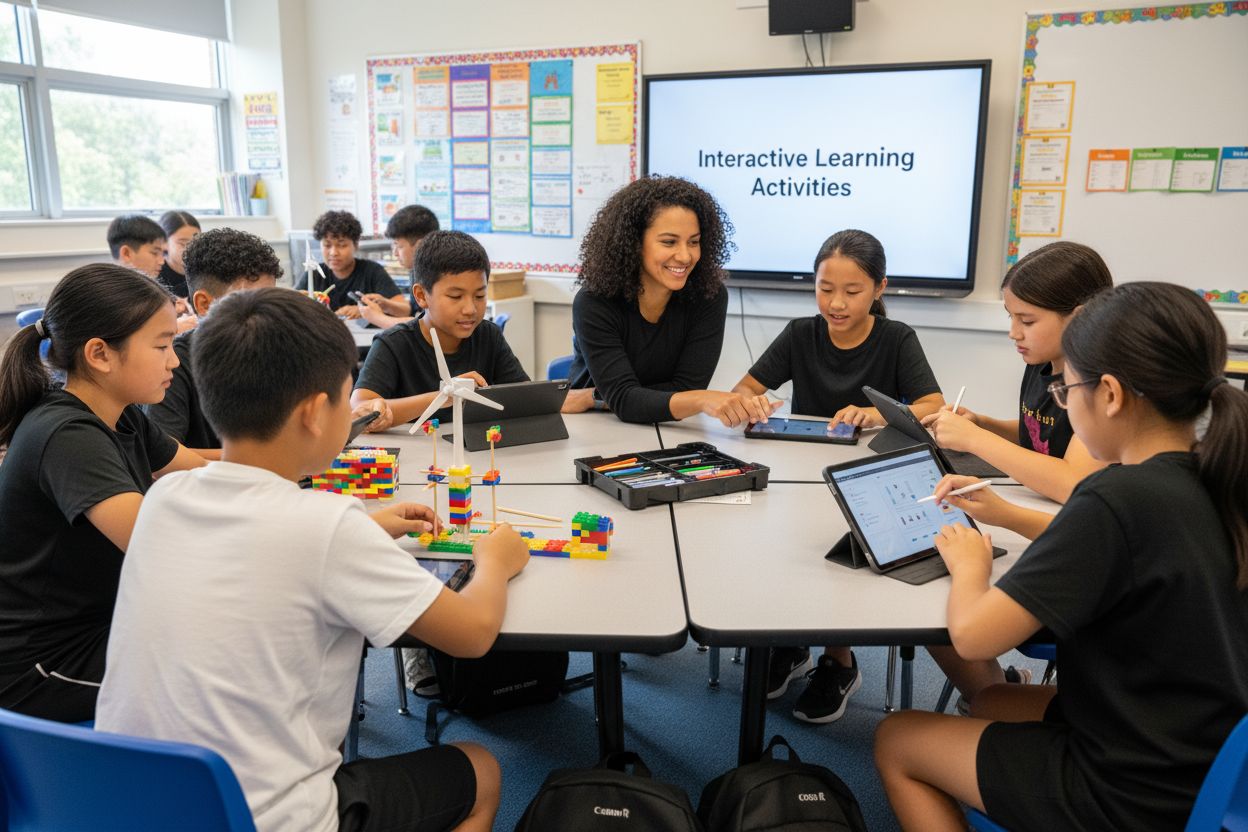
Implementing interactive learning activities transforms traditional classroom instruction into dynamic, engaging experiences that capture student imagination and promote deep understanding. This step moves beyond passive learning by creating environments where students become active participants in their educational journey. The core objective is to design experiences that make learning feel less like work and more like an exciting exploration.
Learn more about hands-on learning approaches that can revolutionize classroom engagement. Interactive activities should challenge students to think critically, collaborate effectively, and connect academic concepts to real world scenarios. This means moving away from repetitive lectures and worksheets toward experiences that stimulate curiosity and encourage independent thinking.
Successful implementation requires thoughtful activity design that balances structure with creative freedom. Teachers should create learning experiences that allow students to discover knowledge through active participation. This might involve scenario based learning, problem solving challenges, interactive simulations, or collaborative project development. The key is providing frameworks that guide learning while giving students autonomy to explore and experiment.
Potential interactive learning activities include:
- Classroom debate sessions on complex topics
- Group problem solving challenges
- Role playing historical or scientific scenarios
- Digital simulation exercises
- Peer teaching and knowledge sharing workshops
Technology can significantly enhance interactive learning when used strategically. Digital platforms offering interactive modules, collaborative tools, and gamified learning experiences can make educational content more engaging. However, technology should complement human interaction, not replace meaningful personal connections between students and educators.
Differentiated approaches are crucial. Recognize that students have unique learning styles and preferences. Some might thrive in group settings, while others prefer individual exploration. Offering multiple engagement pathways ensures that every student can find a comfortable and stimulating learning approach.
Verification of successful interactive learning implementation involves observing increased student participation, enhanced critical thinking skills, and genuine enthusiasm for learning. Look for signs like students voluntarily extending discussions, asking insightful questions, and demonstrating deeper comprehension of complex concepts. The ultimate measure is not just participation but the visible spark of intellectual curiosity that transforms learning from a mandatory task to an exciting personal journey.
Below is a comparison table summarizing the various interactive learning activities discussed in the guide and their primary engagement benefits.
| Activity Type | Description | Engagement Benefit |
|---|---|---|
| Classroom debates | Structured arguments on complex topics | Enhances critical thinking, speaking skills |
| Group challenges | Team-based problem solving tasks | Promotes collaboration and teamwork |
| Role-play scenarios | Simulations of real-world or historical events | Builds empathy, context understanding |
| Digital simulations | Technology-driven interactive exercises | Increases curiosity, tech skills |
| Peer teaching | Students lead sessions or share expertise | Fosters leadership and confidence |
Step 4: Monitor Student Feedback Regularly
Monitoring student feedback is a critical component of continuous engagement improvement that transforms educational strategies from static approaches to dynamic, responsive learning experiences. This step moves beyond one dimensional assessment by creating ongoing communication channels that allow students to share their authentic learning experiences, challenges, and suggestions.
Effective feedback monitoring requires creating safe, non threatening environments where students feel genuinely heard and respected. Teachers must develop multiple feedback collection methods that accommodate different student communication preferences and comfort levels. Some students might feel more comfortable providing written feedback, while others prefer face to face conversations or anonymous digital surveys.
Explore our strategies for boosting student engagement that emphasize communication and active listening. The most successful feedback systems integrate both structured and informal feedback mechanisms. Structured approaches might include periodic formal surveys, while informal methods could involve spontaneous classroom discussions, reflective journaling, or digital feedback platforms.
Key feedback monitoring techniques include:
- Implementing anonymous digital survey tools
- Conducting regular classroom reflection circles
- Using digital platforms for continuous feedback
- Creating suggestion boxes physical or digital
- Scheduling individual student check in sessions
Technology offers powerful tools for streamlining feedback collection and analysis. Digital platforms can provide real time insights, aggregate student responses, and help identify emerging patterns or concerns quickly. However, technology should complement rather than replace genuine human connection and empathetic listening.
Teachers must approach feedback with an open mindset, understanding that critique is an opportunity for growth. Defensiveness or dismissal can quickly erode student trust and engagement. When students share concerns or suggestions, acknowledge their perspectives, demonstrate that their input is valued, and articulate specific ways their feedback might influence future learning experiences.
The most effective feedback monitoring goes beyond collection to meaningful action. Students should see tangible evidence that their input drives educational improvements. This might involve adjusting teaching methods, modifying classroom activities, or addressing specific learning challenges raised during feedback sessions.
Verification of successful feedback monitoring includes observing increased student participation in feedback processes, witnessing more candid and constructive student communication, and demonstrating institutional responsiveness to student insights. The ultimate goal is creating a collaborative learning environment where students feel empowered, heard, and actively engaged in their educational journey.
Step 5: Adjust Approaches Based on Feedback
Adjusting educational approaches based on student feedback represents the most dynamic and responsive phase of engagement strategy development. This step transforms collected insights into meaningful action, demonstrating to students that their perspectives genuinely influence learning experiences. The goal is creating a responsive educational environment that continuously evolves to meet student needs.
Learn more about the importance of adaptable learning environments that prioritize student experience. Successful approach adjustment requires educators to develop a flexible mindset that views feedback not as criticism but as valuable information for improvement. This means being willing to experiment, make incremental changes, and understand that educational strategies are not fixed but dynamic processes.
Effective adjustment begins with careful analysis of feedback data. Educators should look beyond surface level comments to identify underlying patterns, recurring themes, and systemic challenges. This might involve categorizing feedback, identifying common concerns, and prioritizing changes that will have the most significant impact on student engagement and learning outcomes.
Key considerations for approach adjustment include:
- Identifying high impact areas for modification
- Developing targeted intervention strategies
- Creating pilot programs to test new approaches
- Establishing clear metrics for evaluating changes
- Maintaining open communication channels
Technology can be a powerful ally in this process, offering data analysis tools that help educators quickly identify trends and measure the effectiveness of implemented changes. Digital platforms can track student engagement metrics, providing real time insights into the impact of modifications. However, technology should complement thoughtful human analysis and decision making.
Teachers must approach adjustment with patience and strategic thinking. Not every piece of feedback requires an immediate overhaul, and some changes might need time to show their full impact. The most successful educators view approach adjustment as an ongoing conversation rather than a one time fix. This means maintaining flexibility, being transparent about changes, and continually soliciting student input.
Implementing changes should be a collaborative process that involves students in the transformation. When introducing new strategies, explain the connection between student feedback and the modifications. This approach validates student input and reinforces the idea that their perspectives are genuinely valued.
Verification of successful approach adjustment involves observing increased student engagement, improved learning outcomes, and more positive classroom dynamics. Look for signs like increased student participation, more enthusiastic learning attitudes, and a sense of collective ownership in the educational process. The ultimate measure of success is creating an educational environment that feels responsive, dynamic, and genuinely student centered.
Here is a checklist table to help verify successful completion of each step in boosting student engagement.
| Step | Verification Criteria | What to Look For |
|---|---|---|
| Assess Engagement | Comprehensive understanding of engagement patterns is documented | Clear report on participation, motivation, barriers |
| Identify Strategies | Observable increase in motivation and participation | More voluntary discussion, collaboration, and curiosity |
| Implement Interactive Activities | Active participation and deeper comprehension | Increased discussion, insightful questions, enthusiasm |
| Monitor Feedback | Students provide candid, constructive input | Higher feedback participation, open communication |
| Adjust Approaches | Engagement and learning outcomes improve | Positive attitudes, increased participation, ownership |
Bring Engagement to Life with Interactive Assemblies
Are you looking for proven ways to boost student participation and excitement after trying classroom strategies from our guide? If you face low energy, passive learning, or inconsistent student motivation, you are not alone. Every educator wants to see curiosity and genuine involvement grow. Real change happens when you combine strong classroom methods with unforgettable experiences. Discover how our live and virtual assembly programs give students a reason to participate, using hands-on learning and interactive fun to spark true engagement. Our assemblies are designed to reinforce classroom lessons and make learning memorable.
Choose a step that gets results. Visit AssemblyShows.com to explore our lineup of award-winning programs for every grade level. See how real schools have transformed their culture by checking our customer reviews. Book your show today to give your students an experience that builds confidence, encourages participation, and leaves them excited to learn.
Frequently Asked Questions
How can I assess current student engagement levels in my classroom?
Assess current student engagement levels by monitoring classroom interactions, observing body language, and tracking verbal participation, attentiveness, and nonverbal cues. Utilize tools like anonymous surveys, feedback sessions, and digital tracking to gather comprehensive insights on student motivation and participation.
What are some effective strategies to enhance student engagement?
Effective strategies to enhance student engagement include implementing project-based learning, using digital interactive tools, creating student-led discussions, and developing personalized learning tracks that accommodate various learning styles.
How can I create interactive learning activities that boost engagement?
To create interactive learning activities, design experiences that encourage critical thinking and collaboration. Incorporate hands-on projects, classroom debates, role-playing scenarios, and digital simulations to stimulate curiosity and allow students to actively participate in their learning process.
What is the importance of monitoring student feedback for engagement?
Monitoring student feedback is crucial for fostering continuous improvement in engagement strategies. It establishes open communication and allows educators to make informed adjustments to teaching methods, ensuring that students feel heard and valued in their educational experiences.
Recommended
- Understanding Student Engagement Checklists for Schools – Scheer Genius Assembly Shows
- 6 Ways to Boost Student Engagement for 2025 Success – Scheer Genius Assembly Shows
- Understanding What is Curriculum Enrichment – Scheer Genius Assembly Shows
- Understanding the Importance of Fun in Learning – Scheer Genius Assembly Shows