
Nearly 60 percent of school assembly programs rely on the same scripted content for every audience. When assemblies feel generic, students quickly lose interest, missing out on the chance to connect with meaningful lessons. School leaders and educators face real pressure to make each event count, yet cookie-cutter shows rarely deliver. Understanding what sets truly engaging assemblies apart can help schools create richer learning experiences that inspire students to learn, participate, and grow.
Key Takeaways
| Point | Details |
|---|---|
| Standardization Limits Engagement | Cookie-cutter assembly shows offer a one-size-fits-all experience that often fails to meet the diverse needs of students and schools. |
| Customization Enhances Learning | Tailored programs that align with specific curricula and engage students more interactively lead to better educational outcomes. |
| Recognize Warning Signs | Identifying red flags, such as minimal interaction and lack of curriculum alignment, is crucial in evaluating assembly program quality. |
| Strategic Selection is Key | Thoughtful assessment of assembly programs based on curriculum relevance and engagement strategies can transform educational experiences for students. |
Defining Cookie-Cutter Assembly Shows in Schools
A cookie-cutter assembly show represents a standardized, generic educational performance designed to deliver information across multiple school settings with minimal customization. Unlike tailored educational experiences, these assemblies follow a one-size-fits-all approach that attempts to address broad learning objectives without considering individual school contexts or student demographics.
According to theeducationmagazine, generic school assembly programs can potentially fail to engage diverse student populations effectively. The core challenge with cookie-cutter approaches lies in their inability to adapt to the unique learning environments and specific educational needs of different schools. These shows often present information through a uniform template, assuming that what works for one school will work universally.
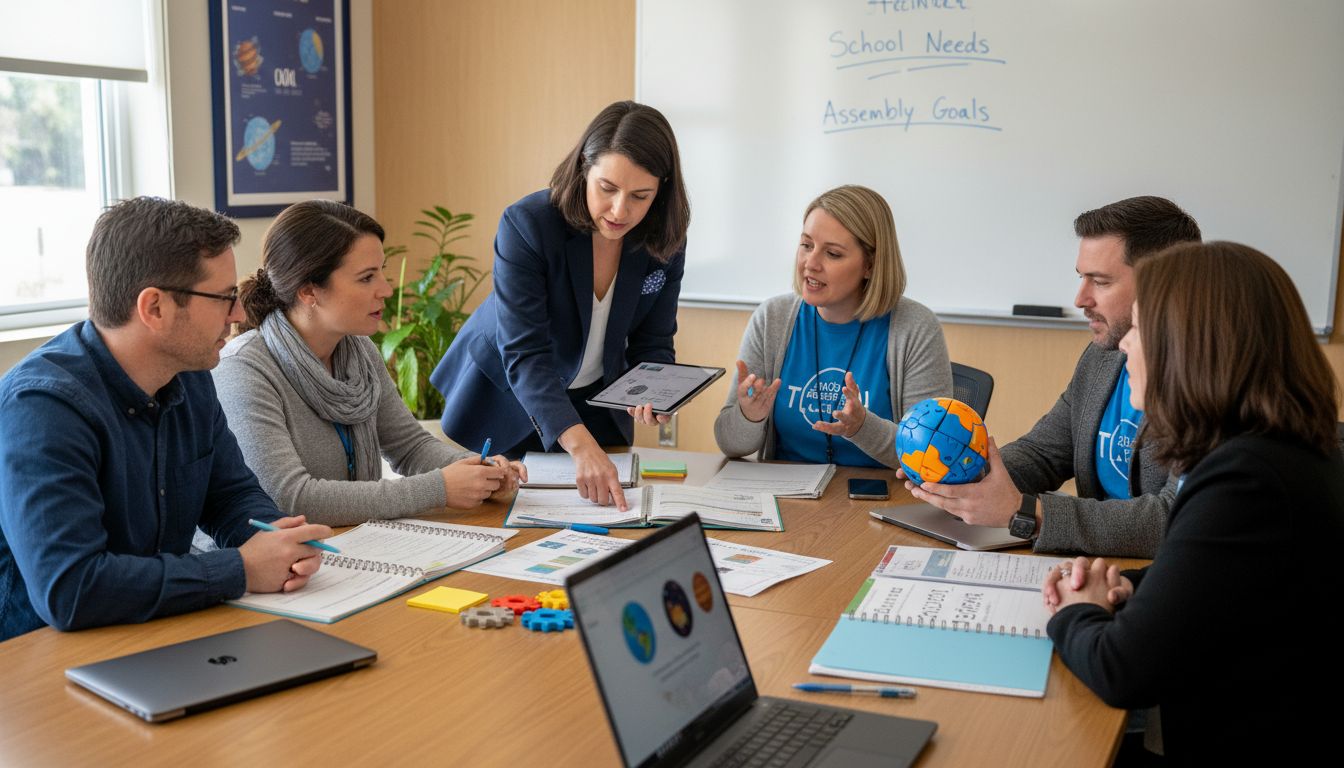
Key characteristics of cookie-cutter assembly shows typically include:
- Rigid presentation structures
- Minimal interactive elements
- Limited curriculum alignment
- Generic content delivery
- Lack of personalization for specific school communities
While instructure emphasizes the importance of moving beyond standardized approaches, cookie-cutter assembly shows represent a persistent challenge in educational entertainment. School administrators must critically evaluate these programs to ensure they genuinely contribute to student learning and engagement, rather than simply checking a box for educational programming.
The most effective assembly shows recognize that education is not about uniform delivery, but about creating meaningful, adaptable experiences that spark curiosity and connect with students’ unique learning contexts.
Key Differences: Generic vs. Customized Programs
The fundamental distinction between generic and customized assembly programs lies in their approach to educational engagement and student learning. Generic programs adopt a broad, standardized methodology, while customized programs are meticulously designed to address specific educational objectives and unique school environments.
Instructure highlights the critical importance of moving beyond one-size-fits-all educational strategies, emphasizing that truly effective learning experiences must be tailored to individual student needs and institutional contexts. This principle becomes especially pronounced when examining school assembly programs, where engagement and educational impact are paramount.
Key differences between generic and customized programs include:
- Content Relevance: Customized programs align directly with specific curriculum goals
- Student Engagement: Tailored shows create more interactive and meaningful experiences
- Learning Outcomes: Personalized approaches demonstrate measurably better educational results
- Adaptability: Customized programs can quickly adjust to unique school demographics
- Curriculum Integration: Targeted shows seamlessly connect with existing educational frameworks
According to theeducationmagazine, the most successful educational assembly programs recognize that diversity in learning styles and student backgrounds requires a nuanced, flexible approach. School administrators who invest in customized programs demonstrate a commitment to meaningful educational experiences that transcend traditional, generic presentation models.
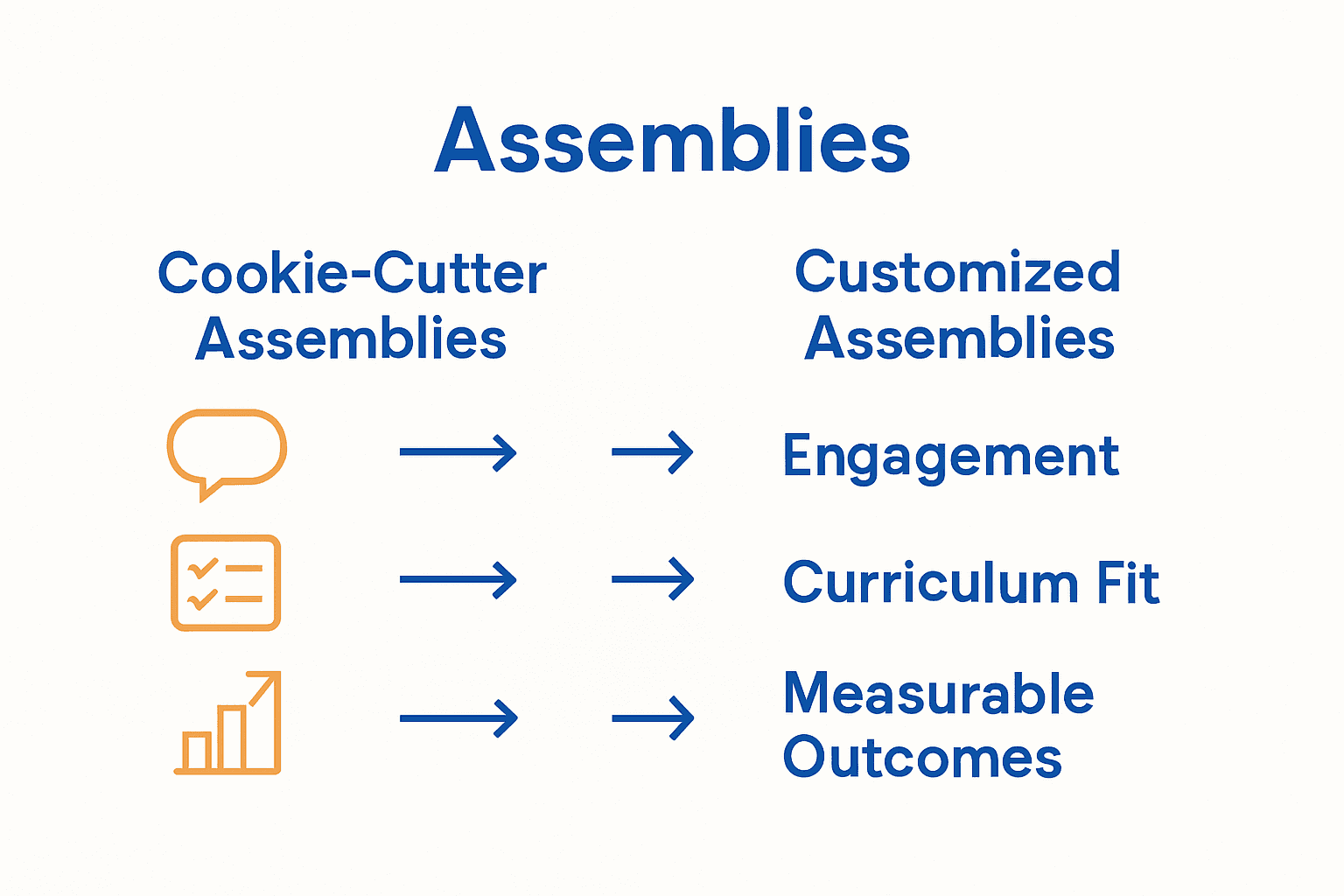
Ultimately, the choice between generic and customized assembly shows represents more than a programming decision—it reflects a school’s fundamental philosophy about student learning, engagement, and educational excellence.
Warning Signs of Cookie-Cutter Assemblies
Recognizing cookie-cutter assembly warning signs is crucial for school administrators committed to delivering meaningful educational experiences. These generic programs often masquerade as legitimate educational content while failing to provide substantive learning opportunities for students.
theeducationmagazine identifies several critical warning signs that indicate an assembly program lacks depth and genuine educational value. These red flags signal that an assembly might be more about filling time than inspiring genuine student learning and engagement.
Key warning signs of cookie-cutter assemblies include:
- Minimal Student Interaction: Presentations that feel like passive lectures
- Lack of Curriculum Alignment: Shows disconnected from current learning objectives
- Generic Messaging: Content that seems broadly applicable but meaningfully connects to nothing
- Repetitive Presentation Styles: Identical delivery across multiple school settings
- No Measurable Learning Outcomes: Absence of clear educational goals or assessment methods
School leaders should critically evaluate assembly programs, looking beyond surface-level entertainment to ensure genuine educational value. An effective assembly doesn’t just occupy student attention—it sparks curiosity, challenges thinking, and creates meaningful connections to broader learning concepts.
Ultimately, identifying and avoiding cookie-cutter assemblies requires a proactive approach. By maintaining high standards and demanding programs that truly engage and educate, schools can transform assembly time from a mundane requirement into a powerful learning opportunity.
Evaluating Program Quality and Educational Impact
Evaluating the educational quality of school assembly programs requires a comprehensive, multi-dimensional approach that goes beyond surface-level assessments. School administrators must develop a strategic framework that critically examines both the immediate engagement and long-term learning outcomes of educational presentations.
Education highlights five essential conditions for conducting meaningful program evaluations, emphasizing the critical importance of establishing clear objectives, developing a robust program logic, selecting appropriate assessment methods, establishing baseline data, and maintaining openness to research findings.
Key evaluation metrics for assembly program quality include:
- Student Engagement Levels: Measuring active participation and attention
- Curriculum Alignment: Assessing direct connections to learning objectives
- Knowledge Retention: Tracking short-term and long-term understanding
- Behavioral Impact: Observing changes in student perspectives or actions
- Teacher and Administrator Feedback: Collecting professional insights
Files recommends utilizing multiple data sources to comprehensively understand program effectiveness, including participant reactions, learning outcomes, organizational changes, and broader student achievement metrics. This approach ensures a holistic evaluation that captures the nuanced impact of educational assembly programs.
Successful program assessment is not about finding fault, but about continuous improvement. By implementing rigorous, thoughtful evaluation strategies, schools can transform assembly experiences from generic presentations into powerful, targeted learning opportunities that genuinely support student growth and educational objectives.
Effective Strategies to Choose Engaging Assemblies
Selecting engaging school assemblies requires a strategic approach that goes beyond surface-level entertainment. School administrators must thoughtfully evaluate potential programs to ensure they deliver meaningful educational experiences that capture student attention and support learning objectives.
theeducationmagazine recommends a comprehensive strategy for maximizing assembly impact, emphasizing the critical importance of setting clear objectives, understanding the specific audience, and involving multiple educational stakeholders in the selection process.
Key strategies for choosing engaging assemblies include:
- Curriculum Alignment: Ensure direct connections to current learning standards
- Interactive Elements: Prioritize programs with high student participation
- Age-Appropriate Content: Match presentation style to student developmental levels
- Diverse Learning Approaches: Select programs that address multiple learning modalities
- Measurable Outcomes: Choose assemblies with clear educational goals
By carefully assessing potential assembly programs through how to boost student engagement assemblies effectively, school leaders can transform these events from passive experiences into dynamic learning opportunities. The most successful assemblies are those that challenge students, spark curiosity, and create memorable educational moments that extend beyond the immediate presentation.
Ultimately, selecting engaging assemblies is an art and a science. It requires a nuanced understanding of student needs, educational objectives, and the unique dynamics of each school community. Administrators who approach this process with intentionality and creativity can turn assembly time into a powerful tool for inspiration and learning.
Move Beyond Cookie-Cutter Assembly Shows with Tailored Educational Experiences
Many schools struggle with generic assembly programs that fail to truly engage students or connect with specific curriculum goals. This article highlights the pitfalls of cookie-cutter assembly shows and the importance of customized, interactive presentations that inspire meaningful learning and spark curiosity. If you are seeking to break free from one-size-fits-all assemblies and provide your students with dynamic, curriculum-aligned programs, there is a better way.
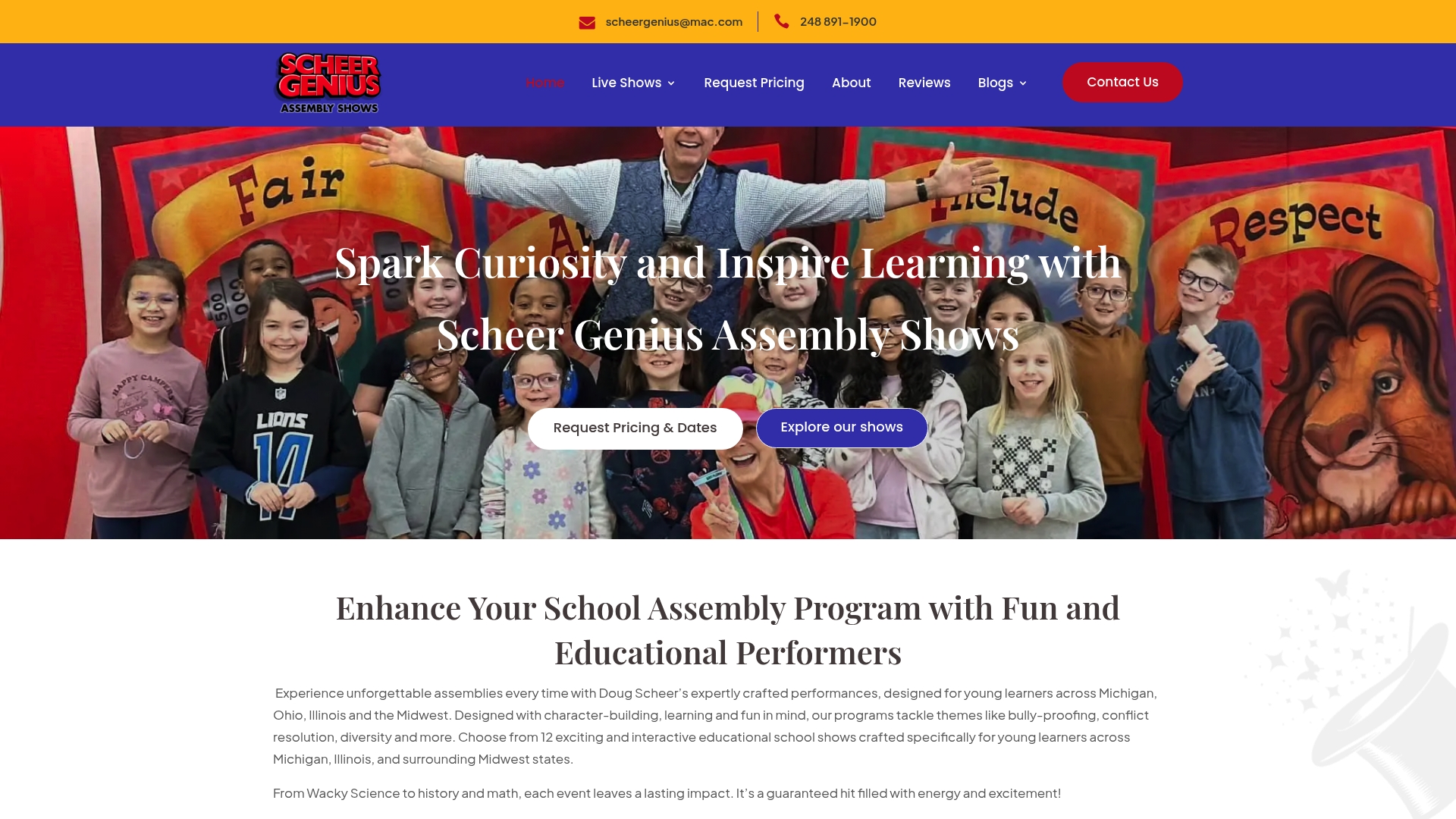
Explore how AssemblyShows.com offers twelve unique assembly programs designed by veteran performer Doug Scheer. Each show focuses on engaging students with high-energy entertainment combined with strong educational value tailored to elementary and middle schools in the Midwest. Check out what makes our performances stand out by reading Reviews Archives – Scheer Genius Assembly Shows and learn about the talent behind the magic at School Assembly Performers Archives – Scheer Genius Assembly Shows. Don’t settle for plain and predictable assemblies when you can book memorable, curriculum-aligned shows today. Visit AssemblyShows.com now to discover how to transform your school assemblies into powerful learning experiences.
Frequently Asked Questions
What are cookie-cutter assembly shows?
Cookie-cutter assembly shows are standardized educational performances that are designed to deliver information across multiple school settings with minimal customization, often failing to engage diverse student populations effectively.
How do cookie-cutter assemblies differ from customized programs?
The key difference lies in their approach; cookie-cutter assemblies follow a one-size-fits-all methodology, while customized programs are tailored to address specific educational objectives and unique school environments.
What are the warning signs of cookie-cutter assembly shows?
Warning signs include minimal student interaction, lack of curriculum alignment, generic messaging, repetitive presentation styles, and no measurable learning outcomes, indicating a lack of genuine educational value.
How can schools evaluate the quality of assembly programs?
Schools can evaluate program quality by assessing student engagement levels, curriculum alignment, knowledge retention, behavioral impact, and collecting feedback from teachers and administrators to ensure meaningful educational experiences.