
Choosing the best assembly show for your school sounds simple, and yet student engagement can drop by 40 percent if the program isn’t matched to audience needs. Many think it’s enough to book any fun assembly and call it a win. But data shows the real impact depends on digging much deeper. The shows that leave students buzzing with excitement are picked with a laser focus on your specific learning goals and what makes your students unique.
Table of Contents
- Step 1: Identify Your Audience And Objectives
- Step 2: Research Potential Assembly Shows
- Step 3: Evaluate Show Quality And Suitability
- Step 4: Secure Funding And Logistics
- Step 5: Confirm Booking And Communicate Details
- Step 6: Gather Feedback And Analyze Success
Quick Summary
| Key Point | Explanation |
|---|---|
| 1. Identify audience and objectives | Understand specific learning needs and goals to tailor assembly programs effectively. |
| 2. Conduct thorough research | Evaluate assembly shows based on curriculum alignment, engagement, and quality before selection. |
| 3. Evaluate show quality carefully | Assess performer credentials and educational value to ensure a meaningful experience for students. |
| 4. Secure funding and manage logistics | Explore diverse funding sources and prepare venue requirements to facilitate a successful assembly. |
| 5. Gather feedback post-performance | Use structured feedback to analyze effectiveness and inform future assembly selections. |
Step 1: Identify Your Audience and Objectives
Successful assembly show selection begins with a crystal clear understanding of your specific school audience and educational goals. School administrators and teachers must strategically evaluate their student population’s unique learning needs and developmental stages before choosing an appropriate assembly program. This initial step serves as the critical foundation for creating an impactful educational experience.
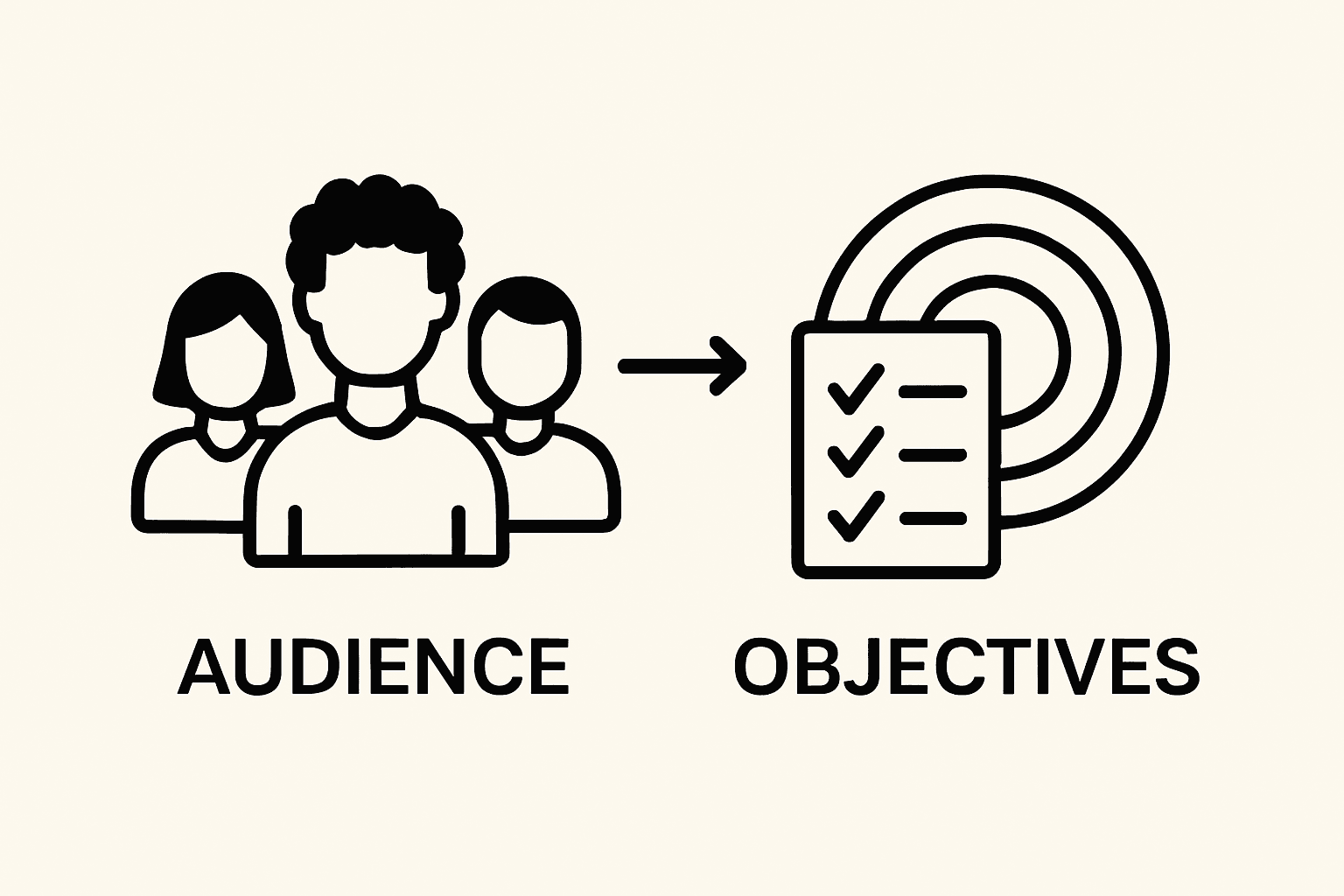
Understanding your audience means considering multiple dimensions beyond simple age groupings. Elementary students require different engagement approaches compared to middle school learners. Factors like attention span, comprehension levels, and interest ranges dramatically influence the effectiveness of an assembly show. For instance, younger students might need more interactive and visually stimulating presentations, while older students can appreciate more nuanced, intellectually challenging content.
Beyond demographic considerations, administrators should articulate precise learning objectives. According to research from the National Institutes of Health, clear educational outcomes significantly enhance program effectiveness. Ask specific questions that define your goals: Are you seeking to supplement curriculum in science, promote social emotional learning, encourage character development, or spark creative thinking?
To successfully complete this step, school leaders should develop a comprehensive profile of their target audience. This profile should include:
- Age ranges and grade levels
- Academic skill levels
- Specific curriculum alignment needs
- Behavioral and engagement characteristics
- Potential learning gaps or areas requiring enrichment
By meticulously mapping out these parameters, schools can narrow their assembly show selection to programs that will resonate most powerfully with their specific student population. The goal is not just entertainment but meaningful, targeted educational engagement that supports broader learning objectives.
Step 2: Research Potential Assembly Shows
Researching potential assembly shows transforms your initial audience assessment into actionable program selections. The research phase requires systematic exploration of educational entertainment options that align precisely with your school’s specific learning objectives. This step moves beyond preliminary planning and directly into discovering programs that can genuinely engage and educate your students.
Begin your research by leveraging multiple information channels. Professional educational networks, recommendations from fellow administrators, online educational performance directories, and specialized assembly show providers offer valuable insights. Look for programs with demonstrable track records of engaging students while delivering substantive educational content. Pay close attention to performer credentials, program complexity, interactive elements, and curriculum alignment potential.
Careful evaluation demands a comprehensive review strategy.
Examine program descriptions meticulously, watching performance preview videos when available. Learn more about scheduling assembly shows to understand the logistical considerations that might impact your selection. Some critical aspects to assess include presenter qualifications, program adaptability across grade levels, technical requirements, and potential student learning outcomes.
To streamline your research process, develop a structured assessment framework. Create a comparative matrix that allows side by side evaluation of potential assembly shows. Your evaluation criteria should include:
- Alignment with curriculum standards
- Age appropriateness
- Educational content depth
- Performance quality
- Interactive engagement potential
- Cost considerations
Successful research culminates in a shortlist of 3-5 assembly shows that comprehensively meet your school’s unique educational requirements. Remember that thorough research prevents disappointing performances and ensures maximum educational value for your investment. The goal is not just finding an entertaining program but discovering a transformative learning experience that resonates with your students.
Step 3: Evaluate Show Quality and Suitability
Quality assessment represents the critical checkpoint in selecting the right assembly show for your school. This step transforms your research into a strategic selection process, requiring meticulous examination of potential programs beyond surface level attractions. The goal is to ensure that the selected show delivers genuine educational value while maintaining engaging performance standards.
The evaluation process demands a comprehensive approach that goes beyond promotional materials. Experienced school administrators understand that a compelling performance requires more than flashy marketing. Explore the best ways to evaluate an assembly show to understand the nuanced considerations that separate exceptional educational experiences from mediocre presentations. Critically examine the performer’s background, educational credentials, and demonstrated ability to connect with students across different age groups.
Practical evaluation involves multiple assessment dimensions. Request comprehensive performance materials including detailed program descriptions, performer credentials, student engagement strategies, and curriculum alignment documentation. Watch performance videos carefully, paying attention to presenter energy, student interaction techniques, and the clarity of educational messaging. Consider reaching out to references from other schools who have previously hosted the performer to gain unfiltered insights into the program’s actual classroom impact.
To systematically evaluate potential assembly shows, develop a structured assessment framework that captures critical selection criteria:
- Educational content accuracy and depth
- Presenter professional qualifications
- Student engagement techniques
- Program adaptability across grade levels
- Technical production quality
- Alignment with specific learning objectives
Successful evaluation culminates in selecting an assembly show that not only entertains but transforms learning experiences. The ideal program will spark curiosity, reinforce academic concepts, and create memorable educational moments that extend far beyond the performance itself. Trust your professional judgment, prioritize educational substance, and choose a show that will genuinely inspire your students.
Step 4: Secure Funding and Logistics
Transforming assembly show aspirations into reality requires strategic financial planning and meticulous logistical coordination. This critical step bridges the gap between program selection and actual implementation, demanding careful attention to budgetary constraints and practical performance requirements. School administrators must navigate complex financial landscapes while ensuring smooth operational execution.
Funding strategies demand creative and collaborative approaches. Explore multiple potential funding sources beyond traditional school budgets. Parent Teacher Organizations, educational grants, curriculum enrichment funds, and collaborative departmental budgets can provide supplemental financial support. Discover strategies for standing out when booking school shows to maximize your investment and demonstrate program value to potential financial sponsors.
Logistical preparation extends far beyond simple monetary considerations. Detailed venue assessment becomes paramount. Carefully evaluate performance space requirements, including stage dimensions, audio visual capabilities, electrical needs, and student seating arrangements. Communicate explicitly with performers about technical specifications, ensuring they can deliver a seamless educational experience tailored to your school’s unique physical environment.
Successful funding and logistics management requires comprehensive planning across multiple dimensions:
- Precise budget allocation
- Comprehensive venue technical requirements
- Performance scheduling coordination
- Backup funding contingency plans
- Clear communication channels with performers
- Necessary administrative approvals
Financial documentation represents another crucial element of this process. Develop clear contracts that outline performance expectations, total costs, cancellation policies, and specific logistical requirements. Request detailed invoices and maintain transparent financial records to facilitate smooth reimbursement and future program planning. The goal transcends mere transactional interactions transforming assembly show procurement into a strategic educational investment that delivers measurable student learning outcomes.
Step 5: Confirm Booking and Communicate Details
Booking confirmation represents the pivotal moment where careful planning transforms into actionable educational programming. This step demands precision communication, thorough documentation, and strategic coordination among all stakeholders. School administrators must navigate complex logistical requirements while ensuring crystal clear expectations for the upcoming assembly show.
Initiate the confirmation process by drafting a comprehensive written agreement that meticulously outlines every performance detail. Get insights into booking school assemblies to understand the nuanced communication strategies that prevent potential misunderstandings. The agreement should include specific performance parameters such as exact date, precise time slot, venue specifications, technical requirements, performer arrival and setup windows, and comprehensive payment terms.
Effective communication extends beyond initial booking documentation. Create a detailed internal communication plan that keeps all school stakeholders informed about the upcoming assembly show. Notify teachers about the performance content, schedule potential pre or post performance classroom activities, and ensure administrative staff understand logistical preparations. Transparent communication prevents last minute confusion and maximizes the educational potential of the assembly program.
The following table provides an at-a-glance checklist of essential actions required to confirm your booking and successfully prepare for an upcoming assembly show.
| Booking & Preparation Task | Key Details to Confirm |
|---|---|
| Performance Contract | Signed by both parties |
| Performance Date and Time | Accurately scheduled and confirmed |
| Technical & Venue Requirements | Clearly outlined and reviewed with performer |
| Payment Schedule | Agreed upon, including method and deadlines |
| Performer Contact Information | Updated and distributed to staff |
| Backup Communication Channels | Established for last-minute changes |
To guarantee a smooth booking process, systematically verify and document critical information:
- Performance contract signed by both parties
- Confirmed performance date and time
- Detailed technical and venue requirements
- Payment schedule and method
- Performer contact information
- Backup communication channels
Successful booking confirmation transforms an abstract concept into a concrete educational experience. Maintain open communication channels with the performer, be responsive to any clarifying questions, and demonstrate professional flexibility.
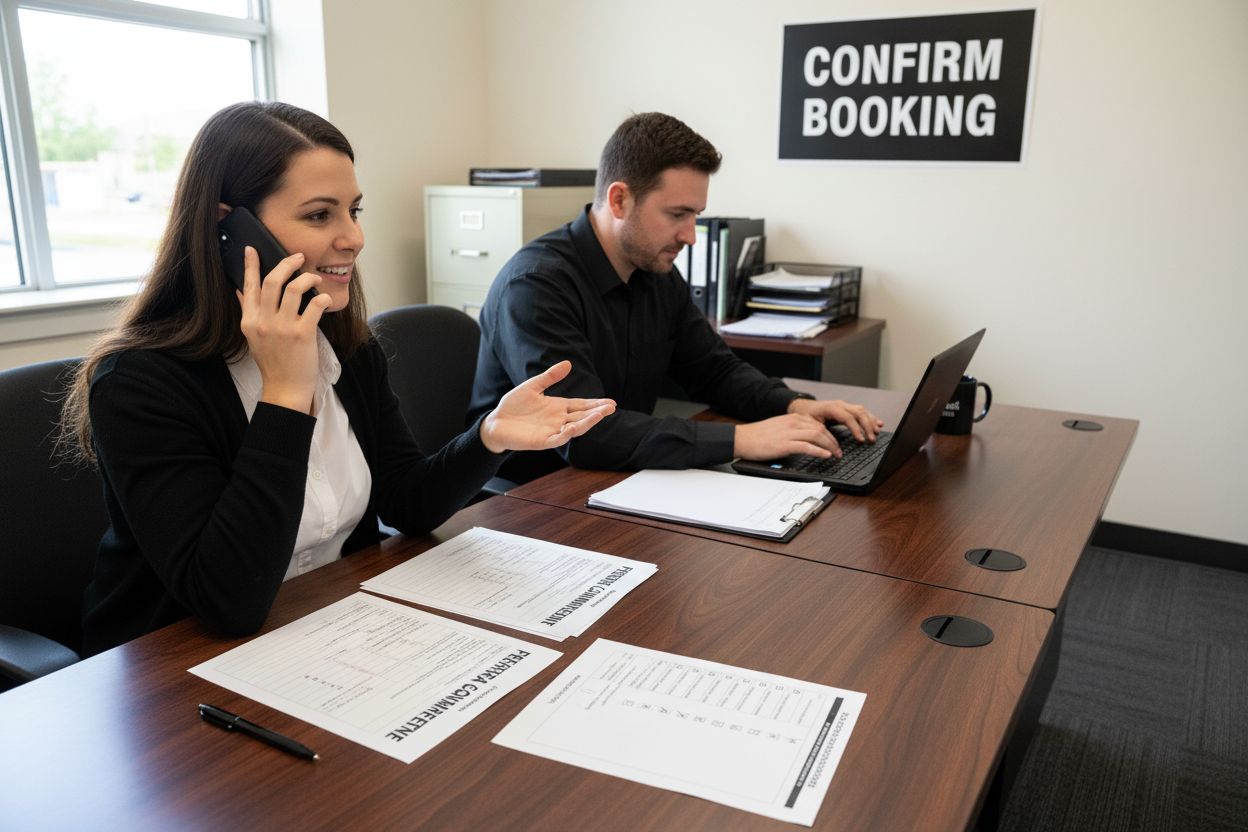 The final goal transcends mere transactional interactions creating a collaborative partnership that delivers meaningful learning opportunities for students.
Step 6: Gather Feedback and Analyze Success
Comprehensive performance evaluation transforms assembly shows from isolated events into strategic educational investments. This critical final step ensures continuous improvement and provides tangible evidence of the program’s educational impact. School administrators must implement systematic feedback collection and analysis methods that go beyond superficial observations.
Develop a multifaceted feedback mechanism that captures perspectives from diverse stakeholders. Design targeted surveys for students, teachers, and administrators that explore both qualitative and quantitative dimensions of the assembly show experience. Learn more about the future of positive assembly shows to understand emerging evaluation strategies that capture meaningful educational outcomes. Construct questions that probe learning retention, engagement levels, and potential curriculum connections.
Effective analysis requires more than simple data collection. Create a structured framework for interpreting feedback, looking beyond surface level reactions to understand deeper educational implications. Examine student comprehension, assess presenter effectiveness, and evaluate how well the assembly show aligned with predetermined learning objectives. Compare current performance against previous educational programming to identify incremental improvements and potential future enhancements.
Comprehensive feedback gathering should incorporate multiple assessment methods:
- Immediate post performance student surveys
- Teacher reflection reports
- Administrative performance evaluations
- Quantitative engagement metrics
- Curriculum alignment assessments
- Long term learning impact tracking
Successful feedback analysis transforms each assembly show into a learning opportunity for future programming. Document insights meticulously, share findings with relevant stakeholders, and use data driven observations to refine future selection processes. The ultimate goal transcends single performance evaluation creating a dynamic, responsive approach to educational entertainment that continuously adapts to student learning needs.
Bring Your Assembly Selection to Life with Unforgettable Educational Shows
After learning about audience assessment, show evaluation, and feedback strategies in our practical guide, you may still feel the pressure of finding a program that delivers both true curriculum value and student excitement. Many schools struggle to locate engaging assembly shows that fit their educational objectives while captivating diverse learners. It can be overwhelming and time-consuming to sift through options, especially when you want meaningful results and memorable experiences.
Explore behind the scenes with our expert team and discover why so many schools return for inspiring shows year after year in our Behind the Scenes Archives.
Ready to take the next step toward a seamless, impactful program? Visit AssemblyShows.com and browse our dynamic programs, available both in person and online. Secure your school’s preferred date now and let Doug Scheer and the Scheer Genius team deliver an assembly experience that your students and staff will talk about long after the final applause. For virtual options, explore our Virtual Shows Archives and see how easy it is to connect with top-tier educational entertainment today.
Frequently Asked Questions
What are the key factors to consider when selecting an assembly show for schools?
When selecting an assembly show, key factors include understanding your audience’s age range and developmental needs, aligning the program with specific educational objectives, and evaluating the engagement level of the performance. It is essential to create a comprehensive profile of your student population.
How can schools effectively research potential assembly shows?
Schools can effectively research assembly shows by leveraging professional educational networks, seeking recommendations from fellow administrators, and reviewing online educational directories. It’s important to assess performer credentials, program interactivity, and alignment with curriculum standards.
What criteria should be used to evaluate the quality of an assembly show?
To evaluate assembly shows, administrators should consider educational content accuracy, presenter qualifications, student engagement techniques, program adaptability, and technical production quality. Watching performance videos and seeking feedback from other schools can also provide valuable insights.
What logistical considerations are important for organizing an assembly show?
Logistical considerations include evaluating venue requirements such as stage dimensions and seating arrangements, confirming performance schedules, and establishing clear communication channels with performers. Schools should also plan for budget allocations and potential backup funding sources.
Recommended
- So You’re in Charge of Booking School Assemblies for your elementary school ….Now What? – Scheer Genius Assembly Shows
- 7 Essential Interactive Assembly Tips for Schools – Scheer Genius Assembly Shows
- Plan Now For Back-To-School Assembly Shows – Scheer Genius Assembly Shows
- Think Positive: The Future Of Assembly Shows – Scheer Genius
- 7 Essential Tips for Choosing a Projector for Classroom Use – Projector Display
- Key Elements to Consider in Your Next Exhibition Stand Design – PromoSigns.co.uk