
Arts assembly programs are making a real impact in schools, introducing students to creative experiences that textbooks just cannot offer. Some schools see participation in arts assemblies lead to a 15 percent increase in student engagement in class. Most people expect these programs to be just a break from the usual routine. Actually, they are becoming the secret ingredient for sparking curiosity, building cultural awareness, and inspiring students to see new possibilities in themselves and the world.
Table of Contents
- Overview Of Arts Assembly Programs
- Interactive Workshops With Local Artists
- Student Showcase: Talent And Creativity
- Themed Assemblies: Celebrating Cultural Arts
- Collaboration With Community Arts Organizations
- Incorporating Technology In Arts Programs
- Arts Integration Across Curriculum Subjects
- Planning For Success: Tips For Implementation
Quick Summary
| Takeaway | Explanation |
|---|---|
| Arts assemblies enhance learning experiences. | They provide creative engagement through performances, expanding students’ cultural awareness and artistic understanding. |
| Local artist workshops foster creativity. | Direct interaction with artists inspires students and enhances their confidence while exploring various artistic fields. |
| Student showcases build confidence and skills. | These platforms allow students to publicly present their work, enhancing self-esteem and community connection. |
| Cultural arts assemblies promote diversity. | They expose students to global artistic traditions, cultivating empathy and a respect for different cultures. |
| Technology expands creative possibilities in art. | Integrating digital tools in arts education enhances student engagement and fosters innovative artistic expression. |
1: Overview of Arts Assembly Programs
Arts assembly programs are powerful educational experiences that bring creativity, cultural awareness, and interactive learning directly into school environments. These dynamic programs go beyond traditional classroom instruction, offering students unique opportunities to engage with various art forms through live performances, demonstrations, and participatory activities.
Understanding elementary assemblies reveals that arts assemblies serve multiple critical educational objectives. They not only entertain but also inspire students by exposing them to diverse artistic expressions and cultural perspectives.
Key characteristics of effective arts assembly programs include:
- Curriculum alignment with academic standards
- Age appropriate content and interactive elements
- Professional artistic presentation
- Opportunities for student participation
- Meaningful educational takeaways
These programs can cover an impressive range of artistic disciplines, such as musical performance, theater, dance, visual arts demonstrations, and multicultural artistic traditions. By bringing professional artists and performers directly into schools, arts assembly programs create memorable learning experiences that can spark student curiosity and potential lifelong artistic interests.
The goal is not just entertainment, but to provide transformative educational moments that expand students’ understanding of artistic expression, cultural diversity, and creative potential. Through carefully designed performances and interactive segments, arts assembly programs can help students develop critical thinking skills, emotional intelligence, and appreciation for creative arts.
Schools benefit from these programs by offering students experiences that complement traditional academic learning, providing enriching content that goes beyond standard curriculum boundaries.
2: Interactive Workshops with Local Artists
Bringing local artists into schools through interactive workshops represents a powerful strategy for enriching students’ arts education and connecting classroom learning with real world creative experiences. Research from Americans for the Arts demonstrates that direct artist interactions significantly enhance student engagement and artistic understanding.
Local artists offer unique perspectives that textbooks and traditional instruction cannot replicate. Student interaction with professional artists creates transformative learning moments that inspire creativity, build confidence, and expose young learners to diverse artistic pathways.
Workshop design considerations include:
- Age appropriate artistic techniques
- Clear learning objectives
- Hands on creative activities
- Inclusive participation strategies
- Safe and supportive learning environment
These workshops can span multiple artistic disciplines, such as visual arts, music composition, theatrical improvisation, dance choreography, and digital media creation. Professional artists bring specialized skills and authentic experiences that motivate students to explore their creative potential.
Successful artist workshops often incorporate interactive demonstration techniques that allow students to observe professional processes while simultaneously participating in creative exercises. This approach transforms passive learning into an active, engaging experience where students become co creators alongside experienced artists.
Schools benefit by providing students with opportunities to learn directly from practicing professionals, gaining insights into artistic careers, creative problem solving, and personal expression. These workshops bridge classroom theory with practical artistic skills, helping students understand the broader context of arts education.
By prioritizing direct artist interactions, schools create memorable educational experiences that can spark lifelong artistic interest and appreciation.
3: Student Showcase: Talent and Creativity
Student showcases provide extraordinary platforms for young artists to demonstrate their creative skills, build confidence, and celebrate individual and collective artistic achievements. Research from the National Endowment for the Arts highlights the profound impact of performance opportunities on student development and artistic expression.
Performance platforms empower students to transform classroom learning into public presentations, allowing them to share their artistic talents with peers, teachers, and family members. These showcases transcend traditional performance models by creating inclusive environments that recognize diverse artistic abilities.
Key elements of successful student showcases include:
Supportive and encouraging atmosphere
Opportunities for multiple artistic disciplines
Clear performance guidelines
Structured rehearsal processes
Enhance elementary school assembly shows demonstrates that well designed student showcases can significantly boost student engagement and artistic confidence. Performances become transformative experiences that validate students creative efforts.
Showcases can encompass various artistic domains such as musical performances, theatrical productions, dance presentations, visual art exhibitions, and multimedia creative projects. By providing structured platforms, schools help students develop essential skills like public speaking, stage presence, teamwork, and self expression.
These events are not merely about displaying talent but about creating meaningful learning experiences. Students learn valuable lessons in preparation, collaboration, overcoming stage fright, and supporting their peers. The showcase becomes a celebration of creativity that extends beyond individual performances, fostering a school culture that values artistic exploration and personal growth.
Ultimately, student showcases represent critical opportunities for young artists to discover their potential, build self confidence, and experience the joy of sharing their creative journey with their community.
4: Themed Assemblies: Celebrating Cultural Arts
Themed cultural arts assemblies provide powerful platforms for students to explore, understand, and appreciate diverse artistic traditions from around the world. Research from UNESCO emphasizes the critical role of cultural education in promoting mutual understanding and respect among young learners.
Cultural arts assemblies transform educational experiences by bringing global artistic expressions directly into school environments. These programs move beyond traditional classroom learning, offering immersive and engaging opportunities to explore artistic diversity.
Key considerations for designing impactful cultural arts assemblies include:
- Authentic representation of artistic traditions
- Age appropriate content and presentation
- Interactive and participatory elements
- Respectful and nuanced cultural interpretation
Understanding diversity and inclusion assemblies highlights the importance of creating meaningful connections between students and diverse cultural experiences. Themed assemblies serve as bridges that connect students with global artistic heritage.
These assemblies can showcase various cultural art forms such as traditional dance performances, musical traditions, storytelling practices, visual art demonstrations, and indigenous artistic techniques. By presenting art within its cultural context, schools help students develop broader perspectives and appreciation for global creative expressions.
Successful cultural arts assemblies incorporate multiple sensory and interactive experiences. Students might learn traditional dance movements, explore musical instruments from different regions, or participate in collaborative art making that reflects specific cultural practices. These engagement strategies transform passive observation into active cultural learning.
Beyond artistic appreciation, these themed assemblies cultivate important social emotional skills like empathy, curiosity, and cultural sensitivity. They provide students with windows into different worldviews, helping them develop a more nuanced understanding of global diversity and creative human expression.
5: Collaboration with Community Arts Organizations
Collaborating with community arts organizations offers schools dynamic opportunities to enrich students’ artistic education and create meaningful connections between classroom learning and professional creative environments. Americans for the Arts underscores the significant impact of community partnerships on student artistic development.
Strategic partnerships between schools and local arts organizations create transformative learning ecosystems that extend beyond traditional educational boundaries. These collaborations provide students with authentic, professional artistic experiences that inspire creativity and career exploration.
Critical elements of successful community arts collaborations include:
- Clear shared educational objectives
- Structured communication channels
- Mutually beneficial program design
- Flexible and responsive partnership frameworks
Understanding diversity and inclusion assemblies demonstrates how community partnerships can introduce students to diverse artistic perspectives and professional practices.
Potential collaboration models might involve artist residency programs, specialized workshops, performance sponsorships, mentorship opportunities, and joint creative projects. Local museums, theaters, dance companies, and art centers can become powerful educational allies in delivering comprehensive arts experiences.
These partnerships offer multiple benefits: community organizations gain access to young audiences, while schools receive specialized artistic expertise and resources. Students experience direct connections between academic learning and real world creative practices, gaining insights into potential artistic career pathways.
Successful collaborations require ongoing communication, shared goals, and a commitment to creating meaningful educational experiences. By integrating community arts organizations into school programming, educational institutions can provide students with rich, multidimensional artistic learning opportunities that inspire creativity, cultural understanding, and personal growth.
6: Incorporating Technology in Arts Programs
Technology has revolutionized arts education, offering innovative platforms that expand creative possibilities and engage students in unprecedented ways. Research from the Pew Research Center highlights how digital tools are transforming artistic expression and learning approaches.
Digital technologies create dynamic intersections between traditional artistic skills and cutting edge creative techniques. Schools can leverage technological tools to provide students with immersive, interactive arts experiences that bridge analog and digital creative domains.
Key technological integration strategies include:
- Interactive digital art platforms
- Multimedia performance technologies
- Virtual reality artistic experiences
- Digital design and editing tools
- Collaborative online creative spaces
What is STEAM education demonstrates how integrating technology with arts curricula can create powerful learning environments that develop both creative and technical skills.
Technological arts programs might explore digital animation, electronic music composition, graphic design, 3D modeling, digital photography, and interactive multimedia performances. These approaches allow students to experiment with innovative artistic mediums while developing critical digital literacy skills.
Advanced technological tools enable students to document, manipulate, and share artistic creations in ways previously impossible. Digital platforms democratize artistic creation, allowing students with diverse abilities and backgrounds to explore creative expression through accessible technological interfaces.
Successful technology integration requires thoughtful implementation that balances digital tools with foundational artistic skills. The goal is not to replace traditional artistic techniques but to expand creative possibilities, providing students with comprehensive artistic education that prepares them for an increasingly digital creative landscape.
7: Arts Integration Across Curriculum Subjects
Arts integration represents a transformative educational approach that connects artistic expression with core academic disciplines, creating holistic learning experiences that engage students more deeply. Research from the Arts Education Partnership demonstrates that interdisciplinary arts approaches significantly enhance student learning outcomes across multiple subject areas.
Integrating arts into traditional academic subjects transforms educational experiences, allowing students to explore complex concepts through creative, multimodal learning strategies. This approach breaks down traditional subject barriers, revealing interconnections between seemingly disparate academic domains.
Key strategies for effective arts integration include:
- Collaborative lesson planning across disciplines
- Interdisciplinary project design
- Flexible assessment methods
- Emphasis on creative problem solving
What is STEAM education illustrates how artistic approaches can enhance learning in science, technology, engineering, and mathematics. Creative methods transform abstract academic concepts into tangible, engaging experiences.
Possible integration models might involve historical reenactment performances, mathematical pattern creation through visual arts, scientific processes illustrated through dance, literary concepts explored through visual storytelling, and geographical understanding through cultural art mapping.
Arts integration develops critical thinking skills, encourages creative expression, and helps students understand complex relationships between different knowledge domains. By presenting academic content through artistic lenses, educators can make learning more engaging, memorable, and personally meaningful.
Successful arts integration requires collaborative teaching approaches, flexible curriculum design, and a commitment to viewing artistic expression as a powerful educational tool rather than a peripheral activity. This approach prepares students to think creatively, solve problems innovatively, and approach learning with curiosity and imagination.
8: Planning for Success: Tips for Implementation
Successful arts assembly programs require strategic planning, clear communication, and a comprehensive approach that considers educational goals, student needs, and resource constraints. Research from the National Education Association highlights the critical importance of thoughtful implementation in arts education programs.
Effective arts assembly planning transforms potential challenges into opportunities for meaningful student engagement. School administrators and arts coordinators must develop holistic strategies that align artistic experiences with broader educational objectives.
Critical implementation considerations include:
- Alignment with curriculum standards
- Budget management and resource allocation
- Diverse student engagement strategies
- Comprehensive program evaluation mechanisms
Understanding elementary assemblies demonstrates how careful planning can maximize the educational impact of arts programs. Successful implementation requires a proactive, collaborative approach that involves multiple stakeholders.
Schools should develop comprehensive planning frameworks that address logistical, educational, and financial considerations. This involves creating clear communication channels between arts coordinators, teachers, administrators, and external arts organizations.
Practical implementation strategies might include conducting preliminary student interest surveys, developing flexible program structures, creating robust feedback mechanisms, and establishing clear assessment criteria for arts assembly programs.
Ultimately, successful arts assembly implementation is about creating dynamic, responsive educational experiences that inspire student creativity, critical thinking, and artistic exploration. By approaching arts programs with intentionality, flexibility, and a commitment to student growth, schools can develop transformative artistic learning environments that extend far beyond traditional classroom boundaries.
The table below provides a comprehensive summary of the eight main ideas and benefits of arts assembly programs for schools, as covered in the article.
| Program Idea/Section | Key Points & Features | Main Benefits |
|---|---|---|
| Overview of Arts Assembly Programs | Dynamic, curriculum-aligned arts experiences with live performances and interactive elements | Boosts engagement, fosters cultural awareness, develops creative and critical thinking skills |
| Interactive Workshops with Local Artists | Hands-on sessions with professional artists, age-appropriate activities, direct participation | Inspires creativity, builds student confidence, exposes students to diverse artistic pathways |
| Student Showcase: Talent and Creativity | Public performance opportunities, supportive environment, interdisciplinary showcase formats | Builds self-esteem, public speaking, teamwork, and validates student creativity |
| Themed Assemblies: Celebrating Cultural Arts | Immersive programs presenting diverse global traditions with authentic representation and participatory elements | Promotes empathy, diversity, respect for different cultures, broader perspectives |
| Collaboration with Community Arts Organizations | Partnerships with local museums, theaters, arts centers, artist residencies, joint creative projects | Professional exposure, expands artistic resources, connects academic learning to real-world creative practice |
| Incorporating Technology in Arts Programs | Use of digital art platforms, multimedia, VR, and online tools to enhance creative participation | Increases engagement, develops digital literacy, expands creative possibilities |
| Arts Integration Across Curriculum Subjects | Collaborative teaching, interdisciplinary projects, creative integration in core subjects (STEAM, history, math, science, etc.) | Enhances learning outcomes, critical thinking, makes academic content more engaging and memorable |
| Planning for Success: Tips for Implementation | Strategic planning, curriculum alignment, stakeholder communication, flexible structure, budget/resource management, feedback and assessment mechanisms | Maximizes impact, ensures broad participation, aligns arts with school goals, supports student growth |
Ready to Spark Creative Magic at Your Next School Assembly?
Planning impactful arts assemblies can feel overwhelming. You want interactive programs that motivate students, bring cultural arts to life, and make learning exciting. The article highlighted how high-quality assembly performers and hands-on approaches, like local artist workshops or themed cultural celebrations, can transform school environments. But finding dynamic presenters who align with your curriculum and engage every child is often the toughest step.
Explore our School Assembly Performers page to see proven options your school community will love.
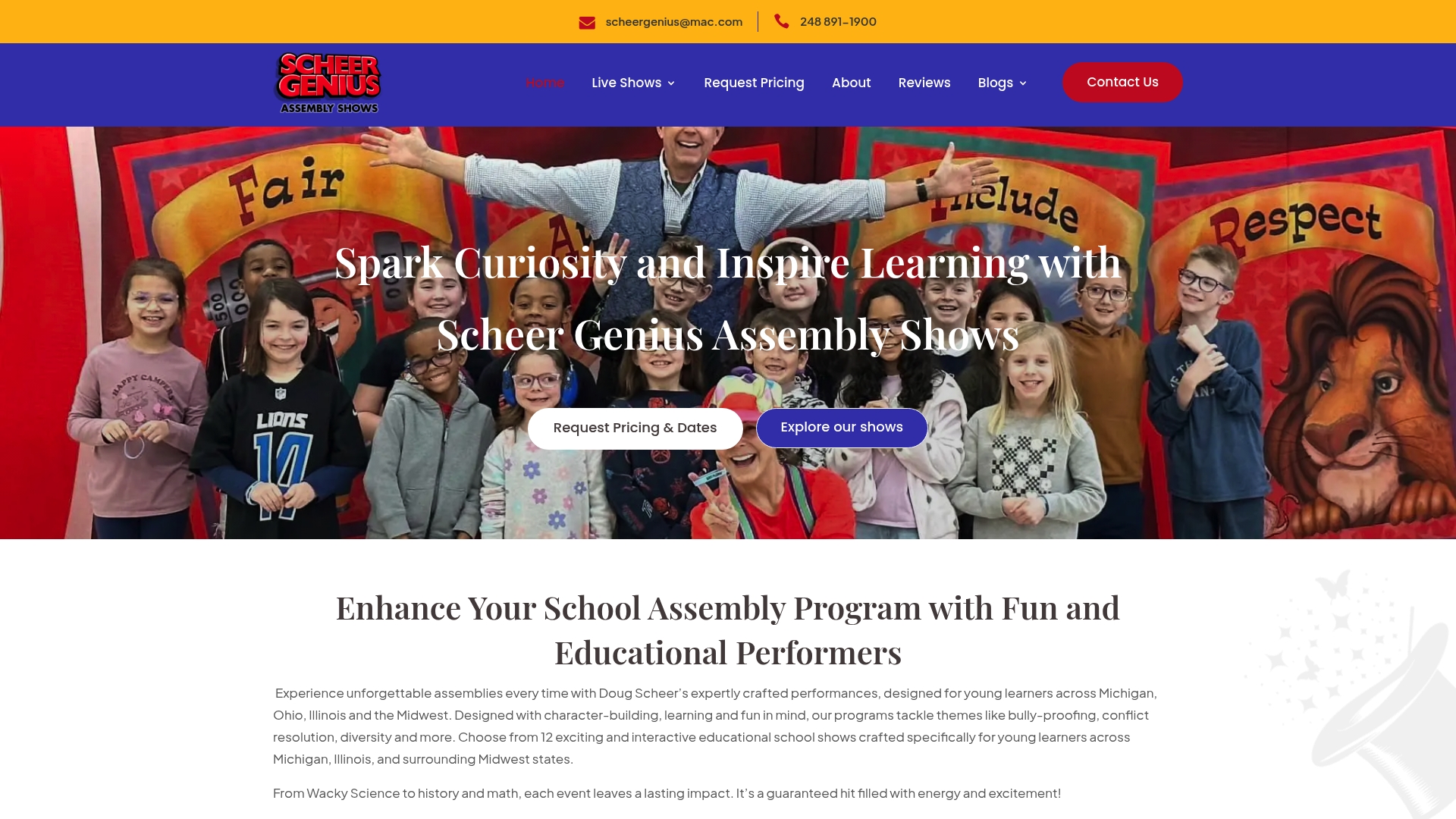
Bring these arts program ideas to life right now by partnering with trusted educational experts. With AssemblyShows.com, you get more than a show. You get an interactive, curriculum-based experience led by a nationally recognized performer. Want a virtual option? Check our Virtual Shows for flexible solutions that fit any schedule. Let your next assembly be the most memorable yet. Visit us today to schedule and empower your students’ creativity.
Frequently Asked Questions
What are arts assembly programs?
Arts assembly programs are educational experiences that bring various art forms, such as music, theater, dance, and visual arts, into school environments through live performances, demonstrations, and participatory activities.
How can schools benefit from interactive workshops with local artists?
Schools can enhance students’ arts education by connecting them with local artists, providing hands-on experiences that inspire creativity, build confidence, and expose students to diverse artistic pathways and professional practices.
What are the key elements of a successful student showcase?
Key elements include a supportive atmosphere, inclusive opportunities for multiple artistic disciplines, clear performance guidelines, and structured rehearsal processes to help students build confidence and showcase their talents effectively.
How can technology be integrated into arts programs?
Technology can be integrated through interactive digital art platforms, multimedia performance technologies, and tools for digital design and editing, enabling students to explore innovative artistic mediums while developing critical digital literacy skills.