
Middle school assemblies are getting a complete makeover. Imagine students walking away with more than just memories—interactive workshops have been shown to significantly increase engagement and knowledge retention, according to National Institutes of Health research. Most people expect these gatherings to be just another boring lecture, but the real surprise is how workshops, talent shows, and student-led events are turning assemblies into the most exciting, hands-on part of the school week.
Table of Contents
- Interactive Workshops: Hands-On Learning For All
- Guest Speakers: Inspiring Talks From Community Leaders
- Talent Shows: Showcasing Student Skills And Confidence
- Thematic Assemblies: Focusing On Relevant Topics
- Fundraising Events: Engaging Students For A Cause
- Student-Led Assemblies: Empowering Young Voices
- Wellness Programs: Promoting Mental Health Awareness
- Innovation Showcases: Highlighting Science And Technology
Quick Summary
| Takeaway | Explanation |
|---|---|
| Interactive workshops enhance student engagement. | Hands-on learning encourages active participation, leading to better knowledge retention among middle school students. |
| Guest speakers inspire real-world aspirations. | Inviting community leaders exposes students to diverse career paths and encourages them to think about their futures. |
| Talent shows build confidence and creativity. | Providing a platform for various skills fosters self-expression and emotional growth in students. |
| Thematic assemblies connect learning to real-life issues. | Engaging topics inspire critical thinking and empathy, helping students understand their role in society. |
| Wellness programs promote mental health awareness. | Comprehensive mental health initiatives create supportive environments, teaching students coping strategies and emotional intelligence skills. |
1: Interactive Workshops: Hands-On Learning for All
Middle school assemblies can transform from passive listening experiences into dynamic, engaging learning opportunities through interactive workshops. These hands-on sessions break traditional presentation boundaries, creating immersive environments where students actively participate and absorb knowledge.
Interactive workshops offer multiple benefits for middle school students. According to research from the National Institutes of Health, peer-driven learning experiences significantly enhance student engagement and knowledge retention. By designing workshops that encourage collaboration and direct involvement, schools can create memorable educational moments.
Key characteristics of successful interactive workshops include:
- Encouraging student leadership and initiative
- Providing tangible, hands-on learning experiences
- Creating opportunities for collaborative problem solving
- Allowing students to explore concepts through direct participation
Workshop topics can span numerous educational domains, from scientific experiments and technological innovations to creative arts and social skill development. The goal is to move beyond traditional lecture formats and create environments where students become active learners.
For maximum effectiveness, workshop facilitators should focus on creating structured yet flexible learning experiences. This means preparing clear objectives while remaining adaptable to student curiosity and unexpected learning opportunities. Interactive design is about guiding exploration, not controlling every moment of the learning process.
Schools can leverage external experts, teacher talents, or student leaders to design these workshops. The key is maintaining an atmosphere of curiosity, respect, and collaborative learning that makes educational experiences both informative and enjoyable.
2: Guest Speakers: Inspiring Talks from Community Leaders
Guest speakers represent a powerful mechanism for bringing real-world perspectives directly into middle school assemblies. By inviting professionals, local leaders, and experts from diverse backgrounds, schools can expose students to inspiring narratives that extend far beyond traditional classroom learning.
The impact of guest speakers goes beyond simple information sharing. Research from the National Association of Secondary School Principals demonstrates that students who hear directly from successful community members are more likely to develop aspirational thinking and understand potential career pathways.
Successful guest speaker presentations typically share several critical characteristics:
- Authentic storytelling that connects personal experiences to broader life lessons
- Interactive elements that encourage student questions and engagement
- Clear, age-appropriate messaging that resonates with middle school students
- Practical insights into professional journeys and skill development
When selecting guest speakers, schools should consider diversity of background, professional experience, and communication style. The most effective presentations transform abstract concepts into tangible, relatable narratives. A local entrepreneur, scientist, artist, or community leader can provide unique insights that textbooks cannot capture.
Preparing students for guest speaker assemblies is equally important. Educators can support meaningful engagement by:
- Providing background information about the speaker
- Helping students prepare thoughtful questions in advance
- Creating follow-up assignments that reinforce key learning moments
By carefully curating guest speaker experiences, middle schools can create transformative assembly moments that inspire curiosity, challenge assumptions, and broaden students’ understanding of potential future paths.
3: Talent Shows: Showcasing Student Skills and Confidence
Talent shows offer middle schools a unique platform for celebrating individual creativity and building student confidence. These assemblies transform traditional performance expectations by providing inclusive opportunities for students to showcase diverse skills beyond academic achievements.
Research from the National Institutes of Health confirms that performance opportunities significantly contribute to students’ social-emotional development and self-expression. By creating supportive environments where students can share their talents, schools nurture personal growth and community connection.
Successful middle school talent shows share several important characteristics:
- Embracing diverse forms of talent beyond traditional performance arts
- Establishing clear, supportive guidelines that encourage participation
- Creating a respectful, encouraging audience environment
- Ensuring equitable opportunities for all students
Talent isn’t limited to musical or theatrical performances. Students might demonstrate skills in areas like:
- Robotics and technological demonstrations
- Martial arts or dance performances
- Poetry or storytelling
- Magic tricks or comedy routines
- Digital art or graphic design presentations
Critical to the talent show’s success is creating a judgment-free zone where students feel safe expressing themselves. School administrators and teachers should emphasize appreciation, respect, and encouragement over competitive rankings.
Preparation is key to a memorable talent show. This includes helping students rehearse, providing technical support, and coaching participants on stage presence and confidence. The goal is not perfection but personal growth and community celebration.
4: Thematic Assemblies: Focusing on Relevant Topics
Thematic assemblies represent a powerful approach to engaging middle school students by connecting educational content to meaningful, real-world contexts. These purposeful gatherings move beyond traditional information delivery, creating immersive learning experiences that resonate with students’ curiosity and developmental needs.
Research from the National Center on Safe Supportive Learning Environments emphasizes the importance of creating platforms where students can explore complex topics and develop critical thinking skills.
Effective thematic assemblies often center around compelling topics that bridge multiple academic disciplines and address contemporary challenges. Potential themes might include:
- Social responsibility and community engagement
- Environmental sustainability
- Cultural diversity and inclusion
- Mental health and wellness
- Technology and innovation
Strategic planning is crucial for designing impactful thematic assemblies. Schools should consider multiple approaches to presenting information:
- Interactive multimedia presentations
- Student-led discussions
- Expert panel conversations
- Collaborative problem-solving activities
- Personal storytelling and reflection moments
The goal of thematic assemblies extends beyond information transmission. These gatherings aim to inspire critical thinking, encourage empathy, and help students understand their potential role in addressing broader societal challenges.
By carefully selecting themes that are age-appropriate, intellectually stimulating, and personally relevant, middle schools can transform assemblies from passive listening experiences into dynamic opportunities for collective learning and personal growth.
5: Fundraising Events: Engaging Students for a Cause
Fundraising events transform middle school assemblies into powerful platforms for teaching social responsibility and community engagement. These initiatives go beyond financial goals, providing students with valuable opportunities to develop leadership skills, teamwork, and understanding of broader social challenges.
Research from the Pew Charitable Trusts highlights the multifaceted benefits of activity-based fundraising events, demonstrating how these programs can simultaneously support school budgets and student development.
Successful fundraising events share several key characteristics:
- Clear, meaningful purposes beyond monetary goals
- Active student involvement in planning and execution
- Opportunities for skill development
- Transparent communication about event objectives
Middle schools can explore diverse fundraising approaches that capture student imagination and community support. Potential event types include:
- Walkathons and athletic challenge events
- Talent showcases with ticket sales
- Creative art or craft sales
- Community service projects with sponsorship
- Technology-driven crowdfunding campaigns
The most impactful fundraising events connect students directly to the causes they support. By involving students in selecting charitable organizations or community projects, schools create deeper emotional investments and learning opportunities.
Careful planning is essential. Schools must consider logistics, safety, student interests, and potential community partnerships. The goal extends beyond raising funds—it’s about cultivating empathy, leadership, and collective problem-solving skills that will serve students throughout their lives.
6: Student-Led Assemblies: Empowering Young Voices
Student-led assemblies represent a transformative approach to middle school education, shifting traditional power dynamics by placing students at the center of their learning experience. These innovative gatherings provide young people with unprecedented opportunities to develop leadership skills, express creativity, and contribute meaningfully to their school community.
Research from the National Center for Education Statistics highlights the critical importance of creating environments where students feel a genuine sense of belonging and connection.
Successful student-led assemblies require careful planning and supportive guidance from educators. Key principles include:
- Providing clear structural frameworks
- Offering mentorship without micromanaging
- Creating safe spaces for authentic expression
- Encouraging collaborative decision making
Middle school students can lead assemblies in remarkable ways, such as:
- Presenting peer-researched social awareness topics
- Sharing personal stories of resilience
- Organizing anti-bullying awareness programs
- Creating multimedia presentations about community issues
- Developing mental health support initiatives
The benefits extend far beyond the assembly itself. By empowering students to design, plan, and execute these events, schools nurture critical skills like public speaking, project management, teamwork, and emotional intelligence.
Teachers and administrators play a crucial role as facilitators, providing guidance, helping students refine their ideas, and ensuring that presentations remain age-appropriate and constructive. The goal is not perfection but meaningful student engagement and personal growth.
7: Wellness Programs: Promoting Mental Health Awareness
Middle school wellness programs represent a critical intervention for supporting student mental health during a pivotal developmental stage. These comprehensive initiatives go beyond traditional health education, creating supportive environments that normalize conversations about emotional well-being and provide essential coping strategies.
Research from the National Alliance on Mental Illness demonstrates the profound impact of proactive mental health awareness programs in school settings, highlighting their role in reducing stigma and increasing early intervention opportunities.
Effective wellness programs incorporate multiple approaches to engage students:
- Interactive group discussions
- Anonymous support resources
- Peer counseling opportunities
- Stress management techniques
- Emotional intelligence skill-building
Comprehensive wellness assemblies can address critical mental health topics such as:
- Understanding anxiety and depression
- Building resilience
- Recognizing signs of emotional distress
- Developing healthy communication skills
- Managing social media and technology pressures
Schools must create safe, judgment-free spaces where students feel comfortable exploring complex emotional landscapes. This means training staff to facilitate sensitive discussions, providing confidential support channels, and maintaining age-appropriate, compassionate messaging.
The ultimate goal of wellness programs extends beyond information sharing. By empowering students with knowledge, self-awareness, and supportive resources, middle schools can help young people develop lifelong emotional intelligence and mental health management skills.
8: Innovation Showcases: Highlighting Science and Technology
Innovation showcases transform middle school assemblies into dynamic platforms that celebrate student creativity and technological exploration. These events provide students with unique opportunities to demonstrate scientific thinking, problem-solving skills, and emerging technological capabilities.
Research from DC STEM Fair underscores the significant impact of student-driven technology exhibitions in fostering educational engagement and scientific curiosity.
Successful innovation showcases incorporate multiple dimensions of learning:
- Encouraging interdisciplinary project development
- Providing platforms for peer-to-peer learning
- Connecting academic concepts to real-world challenges
- Promoting collaborative problem-solving
Middle school students can explore innovative projects across various domains, such as:
- Robotics and artificial intelligence
- Environmental sustainability solutions
- Digital design and multimedia presentations
- Coding and software development
- Scientific research and experimental design
These showcases go beyond traditional science fairs by emphasizing creativity, critical thinking, and practical application. Students learn to communicate complex ideas, receive constructive feedback, and develop confidence in their technological capabilities.
Schools play a crucial role in supporting these initiatives by providing resources, mentorship, and encouraging students to think beyond conventional boundaries. The ultimate goal is nurturing a generation of innovative thinkers who can address complex global challenges through scientific and technological creativity.
Below is a comprehensive table summarizing the eight creative middle school assembly ideas, their key features, and primary student benefits as discussed throughout the article.
| Assembly Idea | Key Features | Main Student Benefits |
|---|---|---|
| Interactive Workshops | Hands-on activities; collaboration; flexible structure | Boosts engagement, retention, leadership, teamwork |
| Guest Speakers | Real-world stories; interactive Q&A; diverse role models | Inspires aspirations, expands perspectives, motivation |
| Talent Shows | Diverse talents; judgment-free; encouragement | Fosters creativity, self-confidence, emotional growth |
| Thematic Assemblies | Focus on current issues; multimedia; reflections | Deepens relevance, empathy, critical thinking |
| Fundraising Events | Student-led planning; cause-driven; teamwork | Builds social responsibility, leadership, community |
| Student-Led Assemblies | Student control; mentorship; peer voices | Empowers ownership, builds skills, sense of belonging |
| Wellness Programs | Mental health focus; open discussions; resources | Supports well-being, self-awareness, coping skills |
| Innovation Showcases | STEM focus; student projects; creative demonstrations | Encourages problem-solving, technological curiosity |
Turn Your Next School Assembly Into Unforgettable Learning Moments
Are you struggling to keep students engaged or searching for new ways to deliver truly interactive and memorable middle school assemblies? If this article on creative assembly ideas has shown you that passive listening is out and hands-on learning is in, you are not alone. Schools everywhere are looking for ways to increase student participation, build confidence during talent showcases, and bring real-world inspiration right to the gym or auditorium. Your students deserve assemblies that spark curiosity, encourage creativity, and leave a lasting impact.
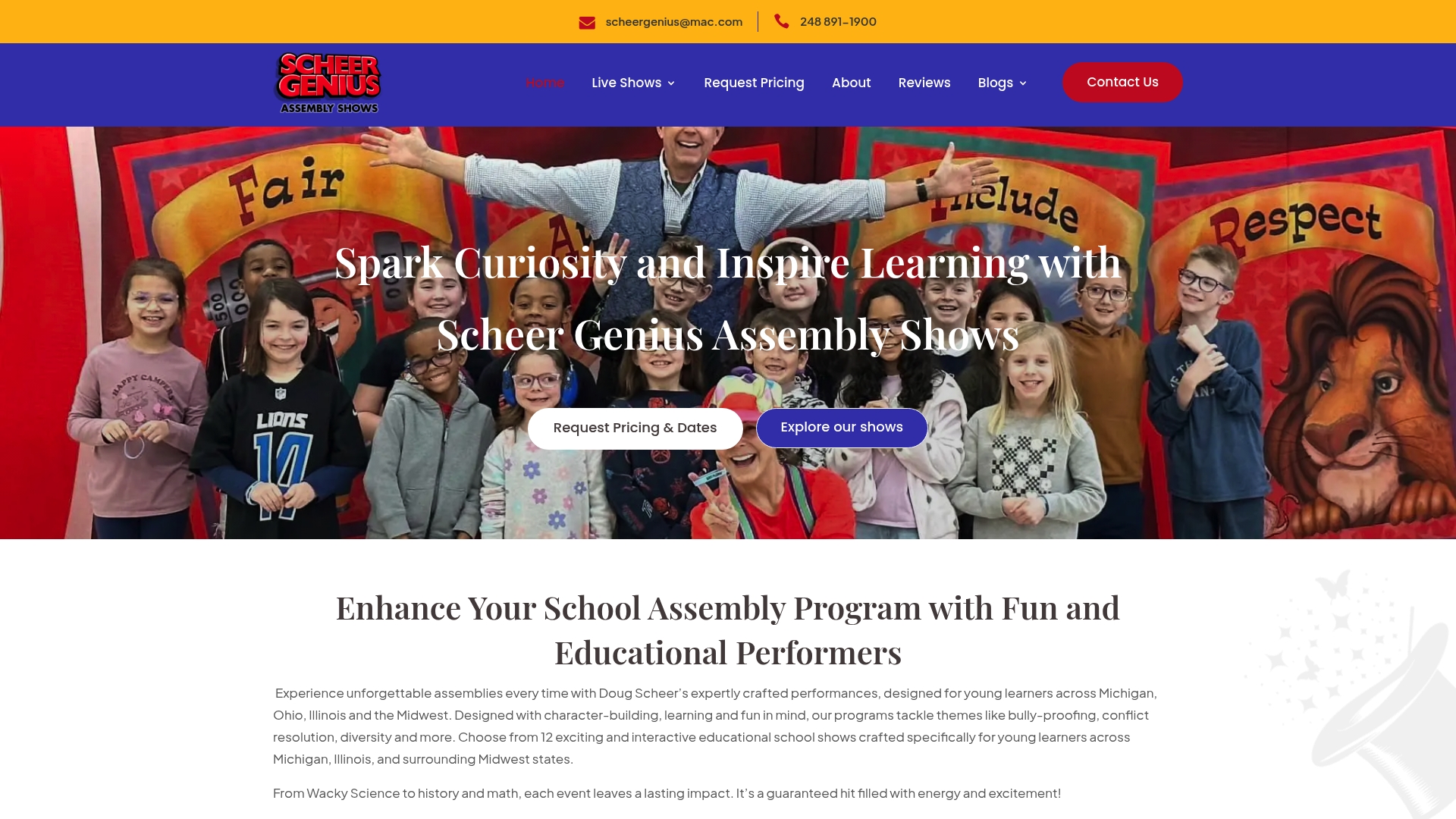
Let AssemblyShows.com help you transform your school events with live or virtual assembly programs that make learning fun. Led by Doug Scheer, a top educational performer, our shows are designed to match your goals—be it developing leadership skills through student-led assemblies, promoting wellness, or bringing science and innovation to life. Ready to create an assembly experience your students will talk about all year? Visit our homepage and discover the difference a curriculum-aligned, high-energy assembly can make. Book now to secure your preferred date—make your next assembly the highlight of your school year.
Frequently Asked Questions
What are some benefits of interactive workshops for middle school students?
Interactive workshops enhance student engagement and knowledge retention by encouraging collaboration and hands-on learning experiences. They allow students to take initiative and explore concepts directly, making learning more memorable.
How can guest speakers benefit middle school assemblies?
Guest speakers provide real-world perspectives that inspire students, broaden their understanding of potential career paths, and encourage aspirational thinking through authentic storytelling and interactive discussions.
What should be included in a successful talent show for middle school students?
A successful talent show should embrace diverse forms of talent, establish supportive guidelines, create an encouraging audience environment, and ensure participation equity, allowing students to express themselves in a judgment-free zone.
How can schools design effective thematic assemblies?
Effective thematic assemblies should connect to relevant real-world topics, involve interactive elements like multimedia presentations or student-led discussions, and aim to inspire critical thinking and empathy among students.