
Building strong character in students is more urgent than ever. Schools that invest in these programs often see up to 40 percent drops in disciplinary incidents according to research from national character education groups. You might think character education is just about teaching students to be polite or honest. It turns out, the biggest gains come when schools get everyone involved and make character part of daily school life.
Table of Contents
- 1: Start With Clear Values And Goals
- 2: Integrate Character Education Into The Curriculum
- 3: Model Positive Behavior As Educators
- 4: Create A Supportive School Culture
- 5: Encourage Student Leadership And Responsibility
- 6: Involve Parents And Community In Character Building
- 7: Assess And Reflect On Character Education Efforts
Quick Summary
| Takeaway | Explanation |
|---|---|
| Start with clear values and goals | Define institutional values and goals to guide character education initiatives effectively. |
| Integrate character education into curriculum | Embed character lessons into academic subjects for meaningful learning experiences. |
| Model positive behavior as educators | Educators should exemplify the character traits they wish to instill in students consistently. |
| Create a supportive school culture | Foster an inclusive environment that promotes emotional safety and mutual respect among students. |
| Encourage student leadership and responsibility | Develop structured leadership opportunities to empower students and build essential life skills. |
1: Start with Clear Values and Goals
Establishing a robust character education framework begins with defining precise institutional values and strategic goals. Schools play a critical role in developing students beyond academic achievements by cultivating fundamental character attributes that shape lifelong behaviors and ethical decision making.
Character education is not a one size fits all approach. Character Education Partnership emphasizes the importance of creating a comprehensive strategy tailored to each school’s unique context and community needs. When developing character education goals, administrators must consider multiple dimensions that extend beyond traditional academic metrics.
Effective character education requires a holistic approach with clearly articulated objectives. Key considerations include:
- Identifying core values that reflect community standards
- Creating measurable behavioral benchmarks
- Developing consistent implementation strategies
- Establishing accountability mechanisms
Successful programs integrate character development into everyday school experiences. Embedding values into curriculum, school policies, and interpersonal interactions transforms character education from an abstract concept into a tangible, lived experience for students.
Research from Stanford Center for Character Education reveals that schools with well defined character goals see significant improvements in student behavior, academic engagement, and overall school climate. These improvements manifest through reduced disciplinary incidents, increased empathy, and enhanced collaborative skills.
By prioritizing clear values and strategic goals, schools create a foundation for meaningful character development. This approach goes beyond simply teaching about good character traits. It involves creating an ecosystem where ethical behaviors are modeled, practiced, and reinforced consistently across all school interactions.
2: Integrate Character Education into the Curriculum
Successful character education requires more than isolated lessons or occasional discussions. Strategic curriculum integration transforms character development from a peripheral activity into a core learning experience. By weaving character lessons directly into academic subjects, schools create meaningful connections that help students understand and internalize ethical principles.
Research from the Character Education Partnership demonstrates that curriculum integration significantly enhances students’ moral understanding and behavioral outcomes. This approach moves beyond traditional teaching methods by demonstrating how character traits connect with real world academic and personal challenges.
Key strategies for effective curriculum integration include:
- Embedding ethical discussions in literature analysis
- Connecting character traits to historical leadership examples
- Using mathematical problem solving to explore collaborative skills
- Incorporating teamwork principles in scientific group projects
Teachers play a pivotal role in this process. They must view character education not as an additional task but as a fundamental aspect of student learning. Intentional lesson planning that naturally incorporates character development helps students recognize how values like integrity, respect, and empathy apply across multiple contexts.
For schools seeking practical implementation strategies, our guide on character education program ideas offers comprehensive insights into curriculum design. Successful programs recognize that character education is not a standalone subject but a lens through which academic content can be understood and applied.
Science, mathematics, social studies, and language arts provide rich opportunities for character skill development. By presenting academic content through an ethical framework, educators help students develop critical thinking skills while simultaneously nurturing their moral development. The goal is not just academic achievement but holistic personal growth that prepares students for complex social interactions and future professional challenges.
3: Model Positive Behavior as Educators
Educators are the primary architects of school culture, and their personal conduct serves as the most powerful character education tool. Students observe and internalize behaviors far more effectively than they absorb lectures or written instructions. This fundamental principle underscores the critical importance of educators consistently demonstrating the character traits they seek to develop in their students.
Research from the American Psychological Association reveals that students are significantly more likely to adopt positive behaviors when they witness consistent, authentic modeling from trusted adult figures. The authenticity of an educator’s actions creates a profound and lasting impact on student character development.
Key behaviors educators must consistently demonstrate include:
- Treating all individuals with genuine respect
- Admitting personal mistakes and showing accountability
- Communicating with empathy and patience
- Maintaining professional integrity in challenging situations
Professional development plays a crucial role in supporting educators to become effective character role models. Schools must invest in training programs that help teachers understand the nuanced ways their behaviors influence student perceptions and actions. Learn more about creating a positive learning environment that supports holistic student growth.
Beyond classroom interactions, educators must demonstrate character in administrative meetings, interactions with parents, and engagement with support staff. Every professional interaction represents an opportunity to showcase ethical conduct. Students are perceptive observers who notice how adults handle conflicts, make decisions, and treat one another.
Understanding that character education is fundamentally about consistent, genuine behavior helps educators recognize their profound responsibility. They are not just teaching subjects but shaping future citizens who will carry forward the values modeled during their formative years. The most effective character education occurs not through structured lessons, but through the daily, authentic demonstration of ethical principles by dedicated educators.
4: Create a Supportive School Culture
School culture represents the invisible framework that shapes student experiences and character development. A genuinely supportive environment transcends physical infrastructure, focusing instead on creating psychological safety, mutual respect, and inclusive interactions that nurture students’ emotional and ethical growth.
Research from the National School Climate Center demonstrates that positive school cultures significantly reduce behavioral problems and enhance academic performance. When students feel genuinely valued and supported, they become more engaged learners and demonstrate stronger interpersonal skills.
Critical components of a supportive school culture include:
- Establishing clear expectations for respectful communication
- Developing consistent conflict resolution strategies
- Creating opportunities for student voice and leadership
- Recognizing and celebrating diverse perspectives
Inclusivity becomes the cornerstone of a robust school culture. This means actively creating spaces where every student feels represented, heard, and valued. Explore resources on celebrating diversity to understand how schools can create more welcoming environments.
Implementing supportive practices requires deliberate, systemic approaches. School administrators must design policies that prioritize student well being, emotional intelligence, and collaborative problem solving. This involves training staff to recognize and respond to students individual needs, creating mentorship programs, and developing structures that encourage empathy and mutual understanding.
Proactive schools understand that culture is not static but continuously evolving. Regular assessment, open communication, and willingness to adapt become essential. Student feedback mechanisms, anonymous suggestion systems, and regular climate surveys provide valuable insights into the effectiveness of existing support structures.
Ultimately, a supportive school culture transforms educational institutions from mere academic spaces into nurturing environments where students can develop not just intellectual capabilities, but also robust character and social emotional skills that will serve them throughout their lives.
5: Encourage Student Leadership and Responsibility
Student leadership development represents a transformative approach to character education, empowering young people to become active agents in their personal growth and community engagement. When schools provide structured opportunities for students to exercise leadership, they cultivate essential life skills that extend far beyond traditional academic learning.
Research from the National Association of Student Councils demonstrates that students involved in leadership programs develop significantly stronger interpersonal skills, self confidence, and ethical decision making capabilities. These experiences teach students that responsibility is not about perfection, but about continuous learning and personal accountability.
Key strategies for encouraging student leadership include:
- Creating student government structures
- Developing peer mentorship programs
- Establishing student led community service initiatives
- Implementing collaborative problem solving projects
Meaningful leadership opportunities require more than symbolic roles. Schools must design genuine platforms where students can make substantive contributions to their educational environment. Explore our character education program ideas to understand innovative approaches to student engagement.
Successful leadership development recognizes that every student has unique potential. Some students might excel in organizational roles, while others demonstrate leadership through compassion, creative problem solving, or quiet mentorship. The goal is to create diverse pathways that allow different leadership styles to emerge and flourish.
Teachers and administrators play a crucial role as facilitators, providing guidance, constructive feedback, and creating safe spaces for students to experiment, make mistakes, and learn. By treating students as capable partners in their educational journey, schools transform traditional hierarchical structures into collaborative learning communities.
Ultimately, student leadership programs are not just about creating future managers or administrators. They are about nurturing thoughtful, empathetic individuals who understand the profound connection between personal responsibility and positive community impact.
6: Involve Parents and Community in Character Building
Character education extends far beyond school walls, requiring a collaborative approach that actively engages parents and community stakeholders. When schools, families, and local organizations work together, they create a powerful ecosystem of shared values and consistent moral guidance for students.
Research from the Search Institute demonstrates that students with strong community connections develop more robust character traits and demonstrate higher levels of social emotional resilience. Collaborative character building transforms isolated educational efforts into comprehensive developmental strategies.
Key strategies for community involvement include:
- Hosting joint parent teacher character development workshops
- Creating community service opportunities for families
- Developing transparent communication channels
- Organizing community character recognition events
Successful partnerships require mutual understanding and consistent communication. Schools must proactively design engagement frameworks that make parents and community members feel like genuine collaborators rather than passive observers. Learn more about character education programs to understand comprehensive implementation approaches.
Local businesses, nonprofit organizations, and community leaders can contribute unique perspectives and resources to character education initiatives. By inviting external stakeholders to share professional experiences, volunteer time, or provide mentorship, schools create real world connections that help students understand the practical applications of character development.
Effective community involvement goes beyond occasional meetings or sporadic interactions. It requires establishing structured platforms for ongoing dialogue, feedback, and collaborative planning. Regular surveys, focus groups, and joint planning sessions help schools continuously refine their character education strategies based on diverse community insights.
Ultimately, character building becomes a shared responsibility. When parents, educators, and community members align their approaches, they create a consistent, supportive environment that reinforces positive values and empowers students to become ethical, engaged citizens.
7: Assess and Reflect on Character Education Efforts
Continuous assessment represents the cornerstone of effective character education, transforming well intentioned programs into dynamic, responsive learning experiences. Schools must develop robust mechanisms to evaluate the impact of their character building initiatives, moving beyond superficial metrics to understand genuine student growth.
Research from the Character Education Partnership highlights that systematic reflection and data driven approaches significantly enhance the effectiveness of character development programs. Meaningful assessment goes far deeper than tracking disciplinary incidents or collecting anecdotal feedback.
Critical assessment strategies include:
- Developing comprehensive behavioral tracking systems
- Conducting periodic student and staff surveys
- Implementing qualitative and quantitative evaluation methods
- Creating longitudinal studies of student character development
Effective assessment requires a holistic, multi dimensional perspective. Schools should examine character education impacts across academic performance, social emotional skills, interpersonal relationships, and long term personal development. Learn more about character education assemblies to understand innovative evaluation approaches.
Transparent reporting and open dialogue become essential components of the assessment process. Schools must create safe spaces for students, educators, and parents to provide genuine feedback, share observations, and collaboratively identify areas for improvement. This approach transforms assessment from a top down evaluation to a collaborative growth opportunity.
Technology can play a significant role in modern character education assessment. Digital platforms enable more nuanced tracking of student behaviors, providing real time insights into character development trends. However, schools must balance technological tools with human observation and contextual understanding.
Ultimately, character education assessment is not about generating perfect scores but about creating a continuous improvement cycle. By embracing reflection, schools demonstrate their commitment to student growth, showing that character development is an ongoing journey of learning, adaptation, and collective wisdom.
Below is a comprehensive table summarizing the 7 essential character education tips for schools, outlining each main strategy and its core benefits and implementation focus.
| Tip | Core Principle | Benefits & Implementation |
|---|---|---|
| Start with Clear Values and Goals | Define school values and set character education objectives | Provides a foundation for school culture and consistency; shapes ethical behavior and drives program success |
| Integrate into Curriculum | Incorporate character education into all subject areas | Enhances student moral understanding, connects values to real-life learning, and supports holistic growth |
| Model Positive Behavior as Educators | Educators exemplify desired values through everyday actions | Encourages students to adopt positive behaviors; staff modeling is the most powerful tool for character growth |
| Create a Supportive School Culture | Foster an inclusive, respectful, and emotionally safe environment | Improves student engagement, reduces behavioral issues, and supports interpersonal skill development |
| Encourage Student Leadership & Responsibility | Offer structured opportunities for leadership and accountability | Builds life skills, boosts self-confidence, and develops ethical decision making among students |
| Involve Parents and Community | Collaborate with families and community partners in character initiatives | Reinforces core values at home and in the community; builds a broader support system for student growth |
| Assess and Reflect | Continually evaluate and refine character education efforts | Ensures ongoing improvement, measures program effectiveness, and adapts to evolving student needs |
Bring Character Education to Life With Unforgettable Assemblies
Are you looking for practical ways to turn core values and leadership lessons into real, memorable experiences for your students? The article on 7 Essential Character Education Tips for Schools points out the challenge of making character education meaningful, engaging, and relevant in everyday student life. Many schools struggle to bridge the gap between classroom lessons and the real-world behaviors they want to inspire. That is where live, curriculum-connected experiences can make all the difference. Our assemblies are crafted to reinforce your character goals, building the teamwork, empathy, and respect your school wants to see in action.
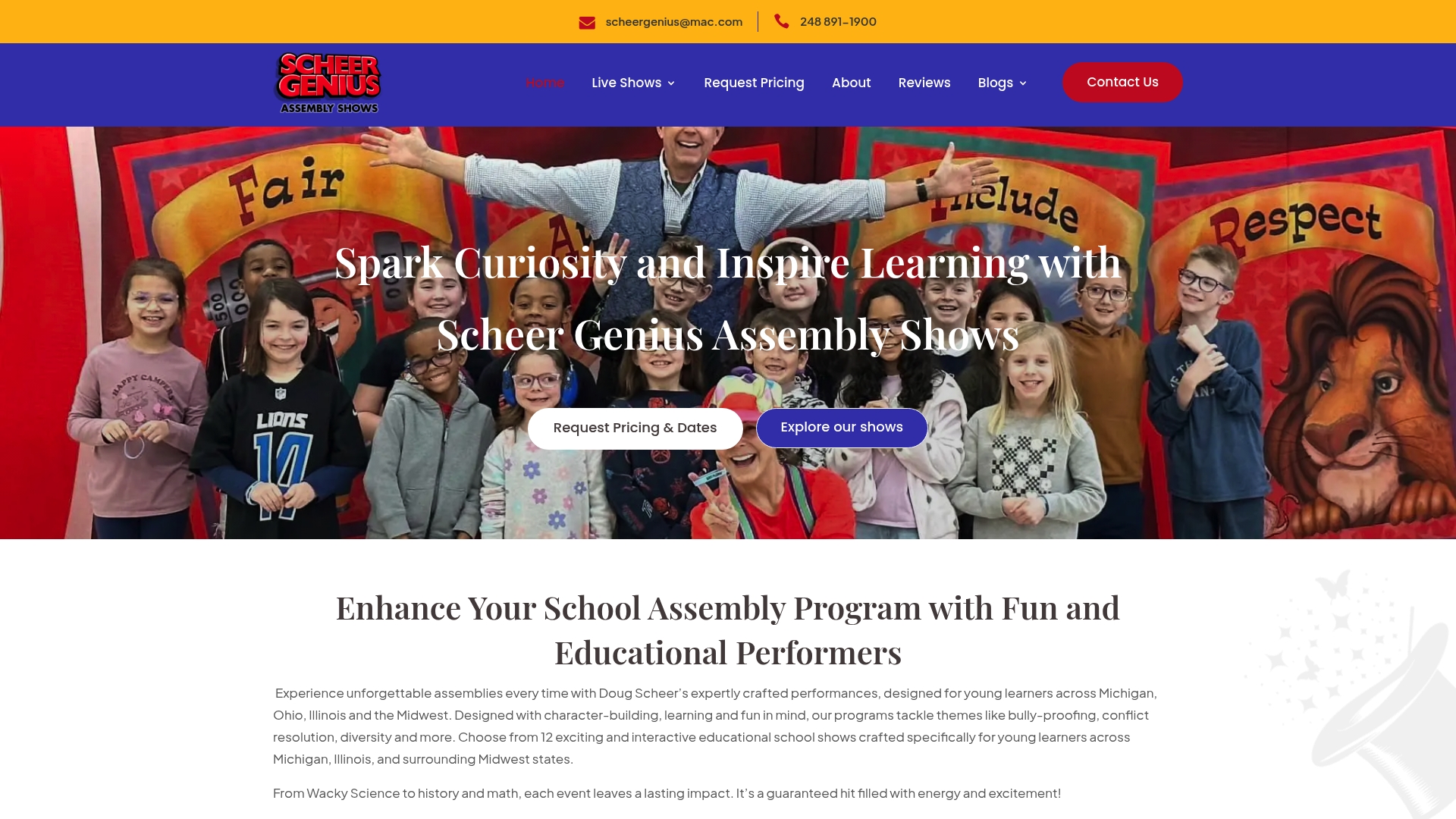
See why educators across the Midwest choose AssemblyShows.com for interactive, high-energy programs proven to spark change. Want evidence of real results? Just look at our reviews from principals and teachers who have seen their students grow. Book your next character-focused assembly today and watch your values come alive in school, not just on paper.
Frequently Asked Questions
What are some key values to include in a character education program?
It’s essential to identify core values that reflect community standards and address the ethical growth of students. Some common values include integrity, respect, empathy, and responsibility.
How can character education be effectively integrated into the curriculum?
Character education can be woven into academic subjects through ethical discussions, relating character traits to historical examples, and incorporating teamwork principles in group projects.
What role do educators play in modeling character education?
Educators serve as primary role models for students, demonstrating positive behaviors such as respect, accountability, and empathy. Their actions significantly influence student character development.
How important is community involvement in character education initiatives?
Community involvement is crucial as it creates a shared ecosystem of values and moral guidance for students. Engaging parents and local stakeholders fosters a consistent support system for character development.
Recommended
- Why Choose Character Education Programs for Schools – Scheer Genius Assembly Shows
- 7 Character Education Program Ideas for Schools – Scheer Genius Assembly Shows
- What is a Character Education Assembly? Understanding Its Importance – Scheer Genius Assembly Shows
- Best Character Shows for Elementary Schools | Scheer Genius