
Character education sounds like something extra schools squeeze in between tests and homework. Yet research shows that students in structured character education programs experience increased emotional intelligence and improved behavioral outcomes. Most people think numbers only matter in math class, but these numbers prove that shaping character might be the smartest lesson schools can teach.
Table of Contents
- Understanding Character Education
- Benefits Of Implementing Character Education Programs
- Key Components Of Successful Programs
- Examples Of Prominent Character Education Programs
- Steps To Start A Character Education Program
- Measuring The Impact Of Character Education
- Resources For Continuous Improvement
Quick Summary
| Takeaway | Explanation |
|---|---|
| Character education develops essential values. | It cultivates ethical decision-making and social skills beyond academics, enhancing personal development in students. |
| Successful programs require holistic approaches. | Integration of character education across subjects and consistent behavioral modeling by educators is crucial for effectiveness. |
| Assessment must be comprehensive and ongoing. | Schools should implement multidimensional evaluation strategies to capture both behavioral and academic impacts of character education initiatives. |
| Continuous professional development is essential. | Educators need access to resources and training that foster collaborative learning to ensure effective character education implementation. |
| Character education positively affects community culture. | By fostering empathy and responsibility, these programs contribute to building resilient and compassionate community members. |
1: Understanding Character Education
Character education represents a strategic approach to developing students’ core ethical values and social skills within educational environments. At its fundamental core, character education programs aim to cultivate essential personal attributes that extend far beyond academic learning.
Schools implementing comprehensive character education programs recognize that academic success is intrinsically linked to personal development. Research from the Character Education Partnership demonstrates that students who participate in structured character education initiatives show improved behavioral outcomes, enhanced emotional intelligence, and stronger interpersonal skills.
The primary goals of character education encompass multiple critical dimensions:
Developing ethical decision making skills
Promoting social responsibility
Fostering personal accountability
Encouraging empathy and respect for diverse perspectives
Successful character education goes beyond simple lectures or occasional discussions. It requires a holistic approach that integrates ethical principles into daily school interactions, curriculum design, and institutional culture. Teachers and administrators play a crucial role in modeling desired behaviors and creating environments where positive character traits are consistently reinforced.
Key psychological research suggests that character development is most effective when it is intentional, age appropriate, and consistently practiced. This means character education programs must be thoughtfully designed to match students’ developmental stages and cognitive capabilities.
Educational psychology experts emphasize that character education is not about imposing rigid moral rules, but about helping students internalize fundamental values that will guide their personal and professional interactions throughout life. By providing structured opportunities for reflection, dialogue, and practical application, schools can transform character education from a theoretical concept into a lived experience for students.
2: Benefits of Implementing Character Education Programs
Character education programs deliver profound and multifaceted benefits that extend well beyond traditional academic learning. These structured initiatives provide comprehensive developmental advantages for students, schools, and broader community ecosystems.
Educational research from the American Psychological Association reveals that systematic character education significantly improves student outcomes across multiple domains. Schools implementing these programs witness transformative changes in student behavior, academic performance, and social interactions.
The primary benefits of character education encompass several critical dimensions:
Enhanced emotional intelligence and self awareness
Improved conflict resolution skills
Stronger interpersonal communication abilities
Reduced instances of behavioral disruptions
Beyond individual student development, character education creates a positive institutional culture. Our guide on character education programs demonstrates how these initiatives foster environments of mutual respect, empathy, and collaborative learning.
Psychological studies consistently show that students engaged in comprehensive character education demonstrate increased academic motivation and more positive school experiences. These programs help students develop critical life skills such as ethical decision making, personal accountability, and social responsibility.
Moreover, character education provides tangible long term benefits. Students learn fundamental values that guide their personal and professional interactions throughout their lives. By integrating character development into educational frameworks, schools prepare students not just for academic success, but for meaningful, socially responsible citizenship.
School administrators and educators recognize that character education is an investment in future societal potential. By nurturing ethical, empathetic, and self aware individuals, these programs contribute to creating more resilient, compassionate, and constructive community members.
3: Key Components of Successful Programs
Successful character education programs require strategic design and implementation that transcends traditional teaching methodologies. Educational researchers from the Character Education Partnership emphasize that effective programs demand comprehensive, intentional approaches.
Holistic program design involves multiple interconnected elements that create meaningful learning experiences. These programs must be dynamic, adaptable, and responsive to student needs while maintaining consistent core principles.
The fundamental components of robust character education initiatives include:
Clear and measurable learning objectives
Comprehensive developmental framework
Age appropriate curriculum design
Systematic evaluation mechanisms
Schools implementing successful character education recognize that behavioral modeling plays a critical role. Educators must consistently demonstrate the values and ethical standards they seek to instill in students. Learn more about our character education approaches to understand how institutional culture shapes student development.
Integration strategies are paramount. Effective programs do not treat character education as a standalone subject, but weave ethical principles throughout academic disciplines. This means embedding character lessons within mathematics, science, literature, and other core subjects.
Another crucial component involves creating opportunities for practical application. Students must engage in real world scenarios that allow them to practice ethical decision making, empathy, and social responsibility. Experiential learning techniques such as role playing, community service projects, and collaborative problem solving become essential tools.
Professional development for educators represents another critical element. Teachers require specialized training to understand developmental psychology, communication strategies, and techniques for nurturing positive character traits. Continuous learning and adaptation ensure that character education remains responsive and effective.
Ultimately, successful character education transcends standardized approaches. It demands creativity, commitment, and a genuine understanding of students individual and collective developmental needs.
4: Examples of Prominent Character Education Programs
Numerous character education programs have emerged as powerful frameworks for developing students’ ethical and social capabilities. Research from the Character Education Partnership highlights several innovative approaches that have demonstrated significant impact across educational environments.
One prominent example is the Positive Action Program, which provides comprehensive curricula focusing on self concept and positive behavioral strategies. This program emphasizes the connection between thoughts, feelings, and actions, helping students develop intrinsic motivation for ethical behavior.
Key character education programs include:
Olweus Bullying Prevention Program
Character Counts Coalition
Second Step Social emotional Learning Program
Lions Quest Skills for Life Program
Our educational assembly programs offer another dynamic approach to character development. These interactive experiences provide engaging methods for introducing critical ethical concepts to students.
Character Counts Coalition represents another significant initiative, utilizing a six pillar framework that includes trustworthiness, respect, responsibility, fairness, caring, and citizenship. This approach provides a structured methodology for schools to integrate character development across multiple academic and social domains.
Educational research from the Collaborative for Academic, Social, and Emotional Learning indicates that comprehensive programs demonstrate measurable improvements in student behavior, academic performance, and social interactions. These programs go beyond traditional instructional methods by creating holistic learning environments that nurture ethical development.
The Second Step Social emotional Learning Program offers another sophisticated approach, providing age specific curricula that help students develop emotional regulation, empathy, and problem solving skills. By addressing both individual and collective social dynamics, these programs create robust frameworks for character education.
Successful character education programs share common characteristics: they are intentional, comprehensive, and designed to create sustainable behavioral change. They recognize that character development is a complex, ongoing process that requires consistent support, meaningful engagement, and adaptive strategies.
5: Steps to Start a Character Education Program
Launching a successful character education program requires strategic planning, institutional commitment, and a comprehensive understanding of developmental objectives. Research from the National Association of Elementary School Principals provides critical insights into effective implementation strategies.
The initial phase involves comprehensive assessment and planning. School leadership must evaluate existing institutional culture, student needs, and potential gaps in current social emotional learning approaches.
Critical initial steps for establishing a character education program include:
Conduct a thorough institutional readiness assessment
Develop clear programmatic objectives
Create a dedicated implementation team
Establish measurable performance indicators
Our guide to character education approaches offers additional insights into designing effective frameworks. Successful programs require collaborative development involving administrators, teachers, parents, and community stakeholders.
Professional development represents a crucial component of program implementation. Educators need specialized training to understand developmental psychology, communication strategies, and techniques for nurturing positive character traits. This training ensures consistent and authentic program delivery.
Educational psychology experts from CASEL recommend creating multi level intervention strategies that address individual student needs while maintaining cohesive institutional objectives. These strategies should incorporate age appropriate curricula, interactive learning experiences, and opportunities for practical application.
Schools must also develop robust evaluation mechanisms to track program effectiveness. This involves creating comprehensive assessment tools that measure behavioral changes, academic performance, and social emotional growth. Regular feedback and data analysis allow for continuous program refinement.
Successful character education programs recognize that implementation is an ongoing process. They remain flexible, responsive, and committed to creating environments that support holistic student development. By focusing on intentional, comprehensive approaches, schools can transform character education from a theoretical concept into a meaningful, impactful experience.
6: Measuring the Impact of Character Education
Measuring the impact of character education requires sophisticated, multidimensional assessment strategies that capture nuanced behavioral and academic transformations. Research from the Character Education Partnership provides comprehensive frameworks for evaluating program effectiveness.
Quantitative and qualitative metrics are essential for understanding the comprehensive influence of character education initiatives. Schools must develop robust evaluation mechanisms that go beyond traditional performance indicators.
Key measurement strategies include:
Behavioral observation protocols
Academic performance tracking
Student self assessment surveys
Longitudinal behavioral trend analysis
Our educational assembly programs demonstrate the importance of interactive evaluation techniques that engage students directly in the assessment process.
Standardized assessment tools play a critical role in measuring character development. Educational researchers from CASEL recommend utilizing validated instruments that capture social emotional learning progression, including empathy levels, conflict resolution skills, and ethical decision making capabilities.
Schools should focus on comprehensive evaluation frameworks that incorporate multiple data sources. This involves collecting information from teachers, parents, administrators, and students themselves. Triangulating data from diverse perspectives provides a more holistic understanding of character education program impacts.
Important metrics extend beyond immediate behavioral changes. Longitudinal studies demonstrate that effective character education programs create lasting developmental impacts, influencing students’ future professional and personal interactions. These long term outcomes include improved interpersonal skills, enhanced emotional intelligence, and stronger ethical foundations.
Successful impact measurement requires continuous adaptation and refinement. Schools must remain flexible, using assessment data to modify and improve their character education strategies. By maintaining a dynamic, responsive approach, educational institutions can ensure that their character education programs remain effective, relevant, and transformative.
7: Resources for Continuous Improvement
Continuous improvement in character education demands access to cutting edge resources, professional development opportunities, and collaborative networks. Research from the National Character Education Center emphasizes the critical role of ongoing learning and adaptation.
Professional development resources represent a fundamental component of sustained character education excellence. Educators require consistent access to innovative training, research insights, and practical implementation strategies.
Key resources for character education professionals include:
Online training platforms
Academic research repositories
Professional networking conferences
Peer reviewed educational journals
Our educational assembly approaches demonstrate the importance of interactive, dynamic learning experiences that support continuous professional growth.
Digital learning platforms have transformed professional development opportunities. Educational technology experts from EdSurge highlight the emergence of sophisticated online learning ecosystems that provide flexible, accessible training modules for character education practitioners.
Schools and districts should prioritize creating comprehensive professional learning communities. These collaborative networks enable educators to share best practices, discuss implementation challenges, and develop innovative approaches to character education.
Additional resources include specialized academic publications, webinars, and targeted workshops that address emerging trends in social emotional learning. Professional organizations like the Character Education Partnership offer extensive repositories of research, curriculum guides, and implementation frameworks.
Ultimately, continuous improvement in character education requires a commitment to lifelong learning. Educators must remain curious, adaptable, and open to emerging research, technological innovations, and evolving understanding of developmental psychology. By maintaining a growth mindset, schools can create dynamic, responsive character education programs that truly support student potential.
The table below provides a comprehensive summary of the key concepts, benefits, components, and implementation steps for character education programs as detailed throughout the article.
| Section/Topic | Key Points & Takeaways | Examples/Actions |
|---|---|---|
| Understanding Character Education | Focuses on developing ethical values, empathy, decision-making, and personal accountability through school culture and experiential learning | Holistic integration, behavioral modeling, reflection |
| Benefits of Implementation | Improves emotional intelligence, behavior, academic motivation, school climate, and lifelong skills | Enhanced conflict resolution, positive community |
| Components of Successful Programs | Requires clear objectives, age-appropriate curriculum, educator training, practical application, and strong evaluation mechanisms | Measurable goals, experiential activities |
| Notable Program Examples | Programs offer structured frameworks for ethical development and social skills | Positive Action, Olweus Bullying, Character Counts, Second Step |
| Steps to Launch a Program | Begin with institutional assessment, set objectives, form teams, offer professional development, design interventions, and use data | Implementation team, readiness assessment |
| Measuring Program Impact | Use quantitative/qualitative data, longitudinal tracking, surveys, and standardized tools for comprehensive evaluation | Behavioral protocols, academic tracking |
| Resources for Continuous Growth | Utilize professional development, online platforms, research repositories, and learning communities for program sustainability | Conferences, journals, digital modules |
Bring Character Education to Life With Interactive School Assemblies
Are you struggling to make character education meaningful and memorable for your students? The article “7 Character Education Programs List for Schools” highlights how schools often face challenges connecting ethical concepts to real-life behavior and keeping students truly engaged. If you want to transform core values into lived experiences, there is a solution that blends learning with excitement.
Boost your school’s positive culture by choosing from the wide range of Assemblies offered by AssemblyShows.com. Led by Doug Scheer, these high-energy programs align with the top character education goals discussed in the article, including empathy, responsibility, and respect. Each program is curriculum-based, interactive, and designed for both live and virtual formats.
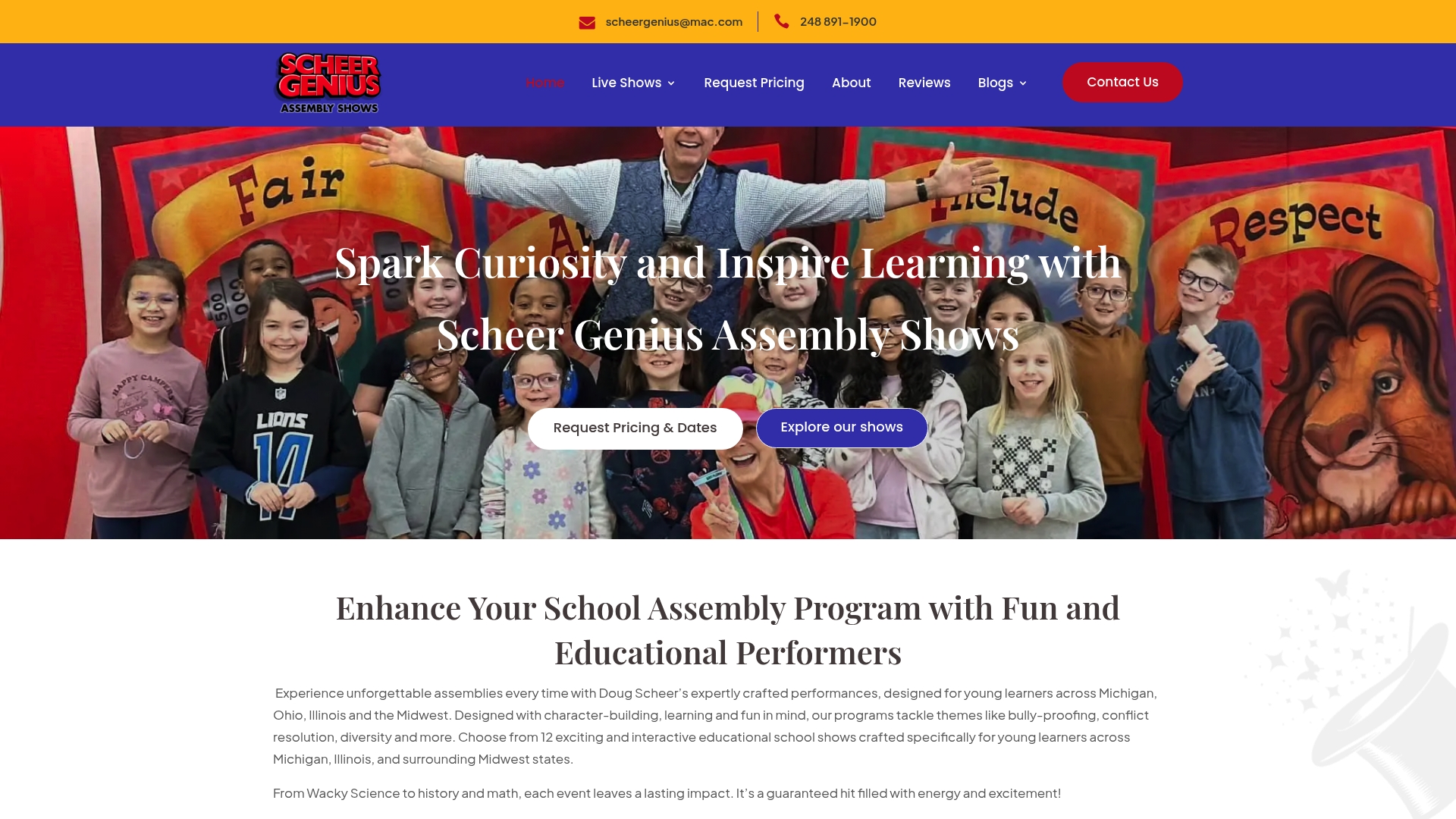
Take the next step toward lasting change in your school community. Visit AssemblyShows.com to explore available character-themed assemblies, read real reviews from other educators, and book your unforgettable experience today. Spots are filling quickly, so act now to give your students the character-building education they deserve.
Frequently Asked Questions
What are character education programs?
Character education programs are structured initiatives within schools designed to develop students’ ethical values and social skills, focusing on traits like empathy, respect, responsibility, and ethical decision-making.
How can character education benefit students?
Implementing character education programs can enhance students’ emotional intelligence, self-awareness, conflict resolution skills, and interpersonal communication abilities, leading to improved academic motivation and positive school experiences.
What are some examples of successful character education programs?
Prominent examples include the Positive Action Program, Olweus Bullying Prevention Program, Character Counts Coalition, and the Second Step Social Emotional Learning Program, each offering unique frameworks for fostering character development in students.
How can a school start a character education program?
To start a character education program, schools should conduct an institutional readiness assessment, develop clear program objectives, create an implementation team, and provide professional development for educators to effectively facilitate the program.
Recommended
- Why Choose Character Education Programs for Schools – Scheer Genius Assembly Shows
- 7 Character Education Program Ideas for Schools – Scheer Genius Assembly Shows
- What is a Character Education Assembly? Understanding Its Importance – Scheer Genius Assembly Shows
- Randall Eaton, Author at Scheer Genius Assembly Shows