
Did you know that schools with well planned assemblies see a remarkable improvement in student engagement? A single assembly can set the tone for school culture, fuel excitement for learning, and reinforce key academic skills. When every detail aligns with clear goals, an ordinary gathering becomes a transformative moment. Discover how thoughtful planning can unlock stronger connections and longer lasting impact for your students.
Quick Summary
| Key Point | Explanation |
|---|---|
| 1. Define clear assembly objectives | Identify specific learning goals that align with broader educational objectives to ensure focused outcomes. |
| 2. Select engaging, interactive themes | Choose themes that resonate with students and incorporate engaging activities to boost participation and learning. |
| 3. Organize logistics and assign roles | Create a detailed plan covering all aspects, delegating specific responsibilities to team members for smooth execution. |
| 4. Integrate interactive performances | Use performances that encourage audience participation, reinforcing learning objectives while maintaining student engagement. |
| 5. Evaluate effectiveness post-assembly | Implement a feedback strategy to assess student engagement and knowledge retention, helping improve future assemblies. |
Step 1: Define key learning objectives and assembly goals
Successful school assemblies start with crystal clear learning objectives that align with your educational mission. Your first step involves creating a strategic roadmap that transforms an ordinary gathering into a powerful learning experience.
Begin by examining your school district’s instructional priorities and current student performance data. According to Connecticut State Department of Education, the process for setting student learning goals starts at the superintendent level and cascades down through strategic planning. This means your assembly should directly connect to broader academic objectives.
When defining your assembly goals, consider multiple dimensions of student development. Understanding Why Elementary Assemblies Matter reveals that effective assemblies aim to develop unity, encourage school spirit, and cultivate student confidence. Your specific objectives might include:
- Improving student engagement
- Reinforcing curriculum topics
- Building social emotional skills
- Creating a sense of community
To create precise learning objectives, ask yourself key questions: What specific knowledge or skills do you want students to gain? How will this assembly experience contribute to their academic or personal growth? How can you measure the impact?
Pro Tip: Make your objectives measurable and specific. Instead of a vague goal like “students will learn something new,” aim for “students will identify three key strategies for conflict resolution.”
Your next step will involve designing an assembly experience that seamlessly integrates these learning objectives into an engaging presentation.
Here’s an overview of key assembly planning steps and their primary focus:
| Step | Main Focus | Key Strategies |
|---|---|---|
| Define Objectives | Align with goals | Review data Set measurable targets |
| Choose Activities | Enhance engagement | Interactive themes Student participation |
| Plan Logistics | Organize smoothly | Assign roles Prepare equipment |
| Engage Students | Boost involvement | Live demos Audience interaction |
| Evaluate Success | Measure impact | Surveys Feedback forms |
Step 2: Choose interactive assembly activities and themes
Selecting the right activities and themes transforms your school assembly from a passive experience into an engaging learning opportunity. This step is about crafting an interactive journey that captivates students and reinforces your learning objectives.
Research indicates that interactive learning structures significantly improve academic engagement by getting students actively involved. According to Responsive Classroom, these purposeful activities aim to deepen understanding and develop crucial collaboration skills.
7 Essential Interactive Assembly Tips for Schools suggests focusing on themes that resonate with students while incorporating dynamic participation strategies. Your theme selection should strike a balance between educational value and entertainment.
Consider these interactive theme approaches:
- Social emotional learning themes
- Career exploration topics
- Cultural awareness presentations
- Character development workshops
- Science and technology demonstrations
To make your assembly genuinely interactive, integrate activities that require student participation. Live polls, group problem solving challenges, volunteer demonstrations, and real time Q&A sessions can transform passive listening into active learning.
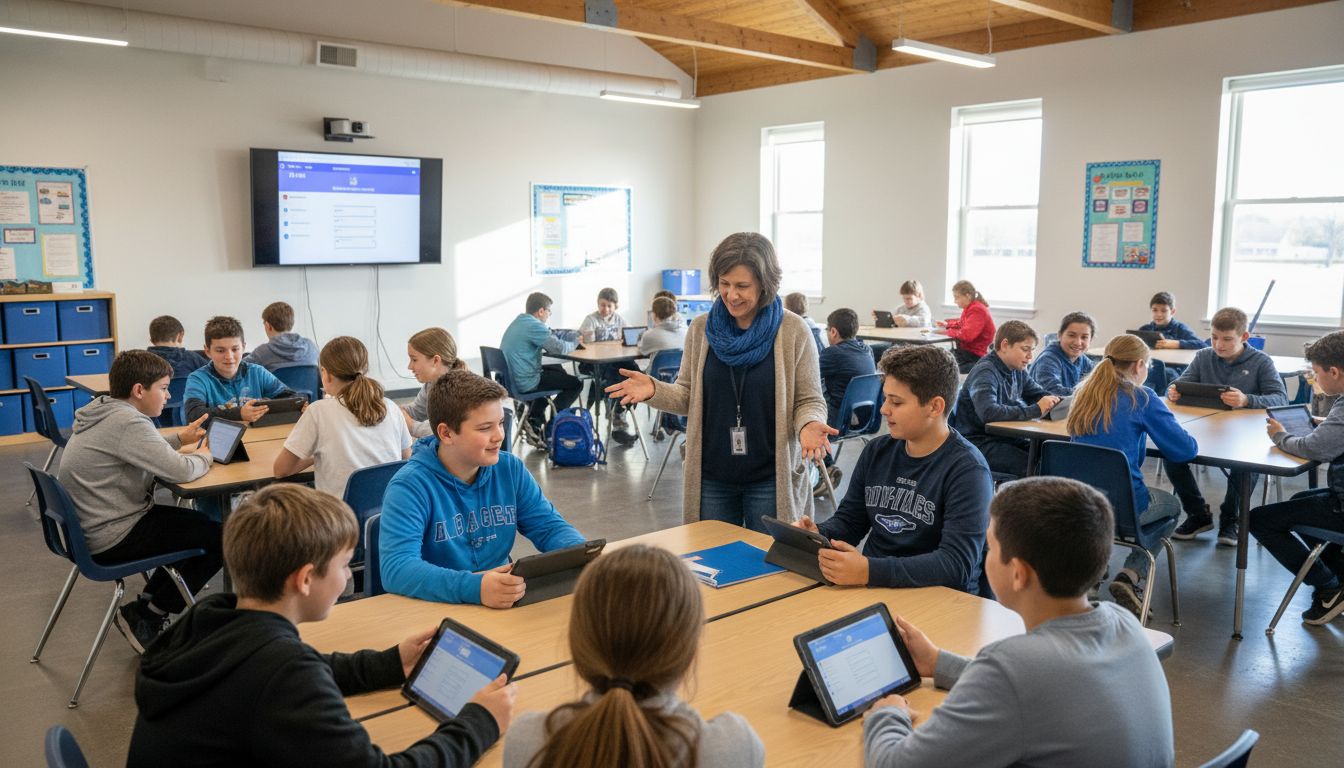
Pro Tip: Match your interactive elements directly to your previously defined learning objectives. Each activity should serve a specific educational purpose beyond mere entertainment.
Your next step involves detailed activity planning that brings your chosen theme and interactive goals to life.
Step 3: Prepare logistics and delegate assembly roles
Successful school assemblies require meticulous planning and clear role assignments that transform complex organizational challenges into smooth collaborative experiences. This step is about creating a strategic blueprint that ensures every team member understands their responsibilities.
According to educational experts at Edutopia, assemblies should be treated as structured learning experiences with high expectations. This means approaching your preparation with the same rigor you would apply to designing a comprehensive lesson plan.
Start by creating a detailed logistics checklist that covers every aspect of your assembly. 8 Creative Middle School Assembly Ideas recommends breaking down your planning into clear organizational components.
Key logistical considerations include:
- Audio visual equipment setup
- Seating arrangements
- Time management
- Student movement coordination
- Technical support readiness
Delegate roles strategically by matching staff members skills with specific assembly responsibilities. Possible roles might involve:
- Technical coordinator
- Student behavior management
- Presentation support
- Setup and teardown team
- Documentation and assessment
Research from Young Citizens emphasizes that assemblies should support spiritual moral social and cultural learning. This means your logistics planning is not just about practical arrangements but about creating a meaningful educational experience.
Pro Tip: Create a shared digital document where all team members can track their responsibilities and provide real time updates to prevent communication gaps.
Your next step involves running a preparatory meeting to align your team and ensure everyone understands their specific roles and expectations.
Step 4: Engage students with interactive performances
Transforming a traditional assembly into an electrifying learning experience requires strategic planning and creative performance techniques that capture student attention and imagination. Your goal is to design an interactive performance that turns passive watching into active participation.
Assembly Performers Bring Life to Schools highlights the importance of choosing performers who can seamlessly blend education with entertainment. Interactive performances create memorable moments that reinforce your learning objectives while keeping students fully engaged.
Drawing inspiration from successful educational programs like Mad Science and the DDU Show, consider these interactive performance strategies:
- Invite audience volunteers
- Use live demonstrations
- Incorporate audience response techniques
- Create participatory moments
- Design call and response segments
The key is to design interactions that feel spontaneous yet purposeful. For instance scientific demonstrations can transform complex concepts into hands-on experiences that students can touch understand and remember.
Look for performances that offer multiple engagement layers. Some programs might include:
- Musical instrument exploration
- Science experiment participation
- Cultural storytelling with audience interaction
- Physical movement challenges
- Problem solving group activities
Pro Tip: Align your interactive performance elements directly with your previously established learning objectives to ensure every engaging moment serves an educational purpose.
Your next step involves rehearsing and fine tuning these interactive elements to create a smooth seamless experience that feels natural and exciting for students.
Step 5: Evaluate assembly success and gather feedback
Measuring the impact of your school assembly goes beyond simple applause measurement. This crucial step transforms your event from a one time experience into a powerful learning opportunity for future improvements.
According to educational experts at Edutopia, redesigning traditional assemblies means treating them like substantive lessons with high expectations. Benefits of Assembly Shows Are Often Overlooked suggests implementing structured evaluation approaches that capture both quantitative and qualitative insights.
Develop a comprehensive feedback strategy that includes multiple assessment methods:
- Student surveys
- Teacher observation reports
- Quick post assembly quizzes
- Written student reflections
- Performance metric tracking
The Connecticut State Department of Education recommends using standardized documentation to guide your evaluation process. This means creating clear assessment forms that align with your original learning objectives.
Consider these key evaluation dimensions:
- Student engagement levels
- Knowledge retention
- Emotional and intellectual impact
- Alignment with curriculum goals
- Overall participant satisfaction
Pro Tip: Design your feedback mechanisms before the assembly so you can collect targeted information that directly relates to your initial objectives.
Your gathered insights will not only improve future assemblies but also provide valuable documentation of your educational programming effectiveness.
Transform Your School Assemblies with Proven Interactive Programs
Bringing interactive assembly ideas to life can be challenging when you want to move beyond passive presentations and truly engage every student in meaningful learning. The article highlights common pain points like defining clear learning objectives, selecting hands-on activities, and ensuring smooth logistics that deliver measurable impact. If you are ready to create unforgettable assemblies that captivate students and align with your curriculum, you need a solution built on experience and educational impact.
Explore proven programs from Scheer Genius Assembly Shows led by Doug Scheer, one of the nation’s leading educational performers. Our 12 interactive assemblies offer a perfect blend of curriculum-driven content with high-energy, hands-on fun that boosts student engagement and learning retention. Whether you prefer exciting live events or flexible virtual options, you can empower your team with a ready-made solution that simplifies planning and maximizes educational value. Don’t wait to elevate your next school assembly — visit AssemblyShows.com now and discover how to turn your vision into an inspiring interactive experience that students will remember.
Learn more about our virtual shows and how we help schools across the Midwest transform assemblies into dynamic, results-driven learning moments.
Frequently Asked Questions
What are some key learning objectives to consider for school assemblies?
Align your assembly with your educational mission by focusing on objectives like improving student engagement, reinforcing curriculum topics, and building social emotional skills. Define these objectives clearly by asking what specific knowledge or skills you want students to gain, and ensure they are measurable by setting targets that can be evaluated.
How can I select interactive activities for my school assembly?
Choose activities that engage students directly and align with your learning objectives. Consider using live polls, group problem-solving challenges, or audience interaction techniques that invite student participation, transforming the assembly into an active learning experience.
What logistical steps should I take when planning a school assembly?
Create a detailed logistics checklist that includes audio-visual setups, seating arrangements, and time management to ensure everything runs smoothly. Assign specific roles to staff members according to their strengths, which can streamline the planning process and enhance the overall experience.
How can I evaluate the success of my assembly?
To assess the assembly’s impact, gather feedback using methods such as student surveys or written reflections. Implement a structured evaluation strategy that aligns with your original learning objectives to capture insights on engagement levels and knowledge retention.
What types of interactive performances work best for school assemblies?
Choose interactive performances that blend education with entertainment, such as live demonstrations or audience participation segments. Ensure these performances connect to your learning objectives, making the experience both memorable and educational for students.
How do I prepare my team for executing a successful assembly?
Hold a preparatory meeting to clearly define roles, responsibilities, and expectations for each team member. Use this meeting to address any potential logistical challenges and ensure everyone is aligned on the assembly goals, which can enhance teamwork and effectiveness.
Recommended
- 7 Essential Interactive Assembly Tips for Schools – Scheer Genius Assembly Shows
- 8 Creative Middle School Assembly Ideas to Engage Students – Scheer Genius Assembly Shows
- What is an Elementary School Assembly? Understanding Its Importance – Scheer Genius Assembly Shows
- 8 Fun Elementary School Assembly Ideas for Engaging Students – Scheer Genius Assembly Shows
- 7 Interactive Classroom Ideas for Engaging Learning – Projector Display